
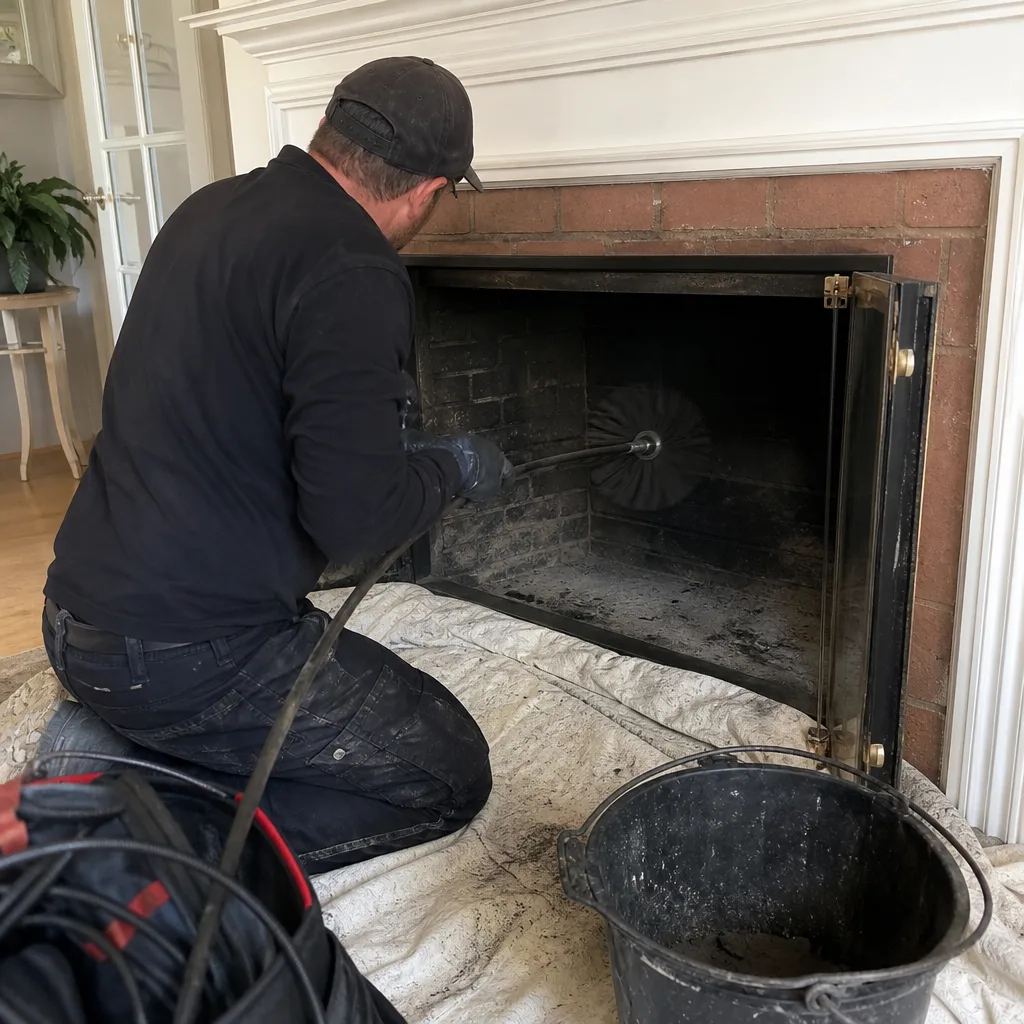
Last updated November 15, 2026
 Sweep & inspection
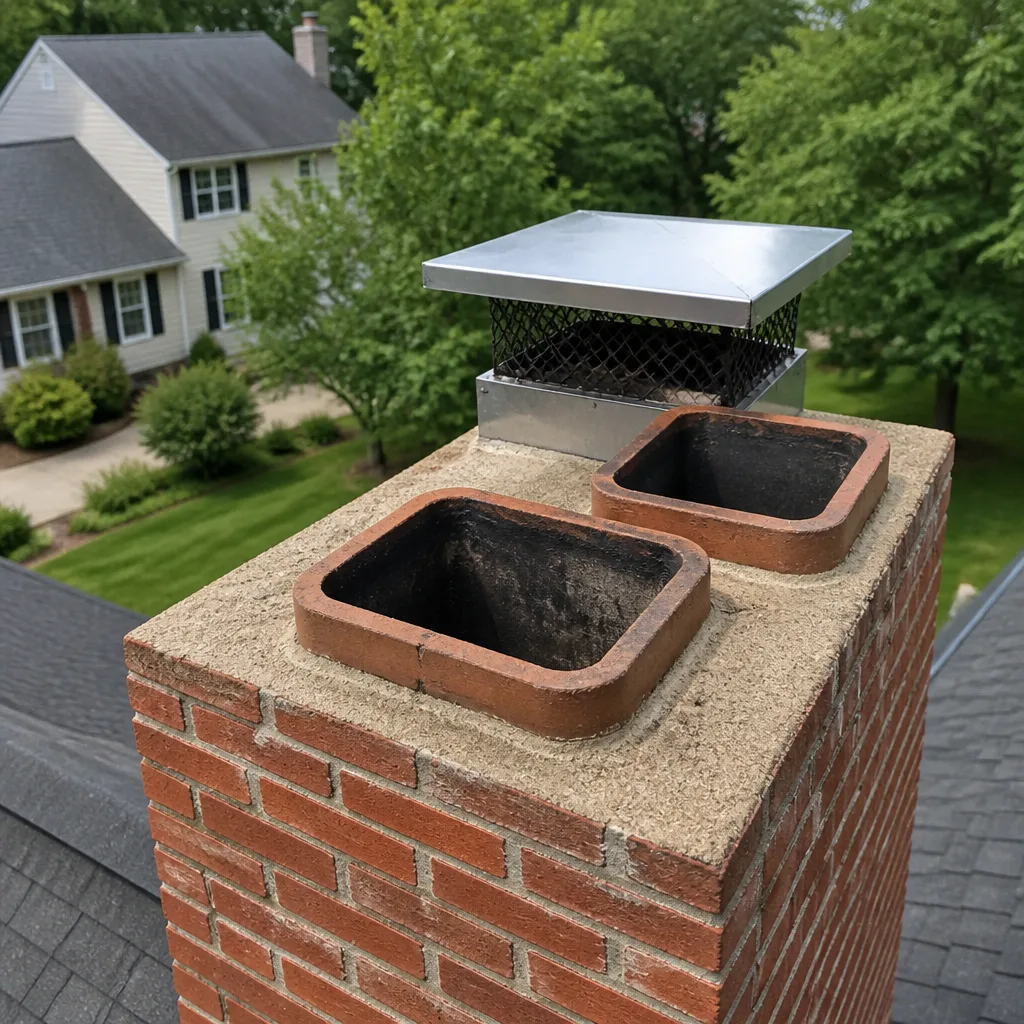
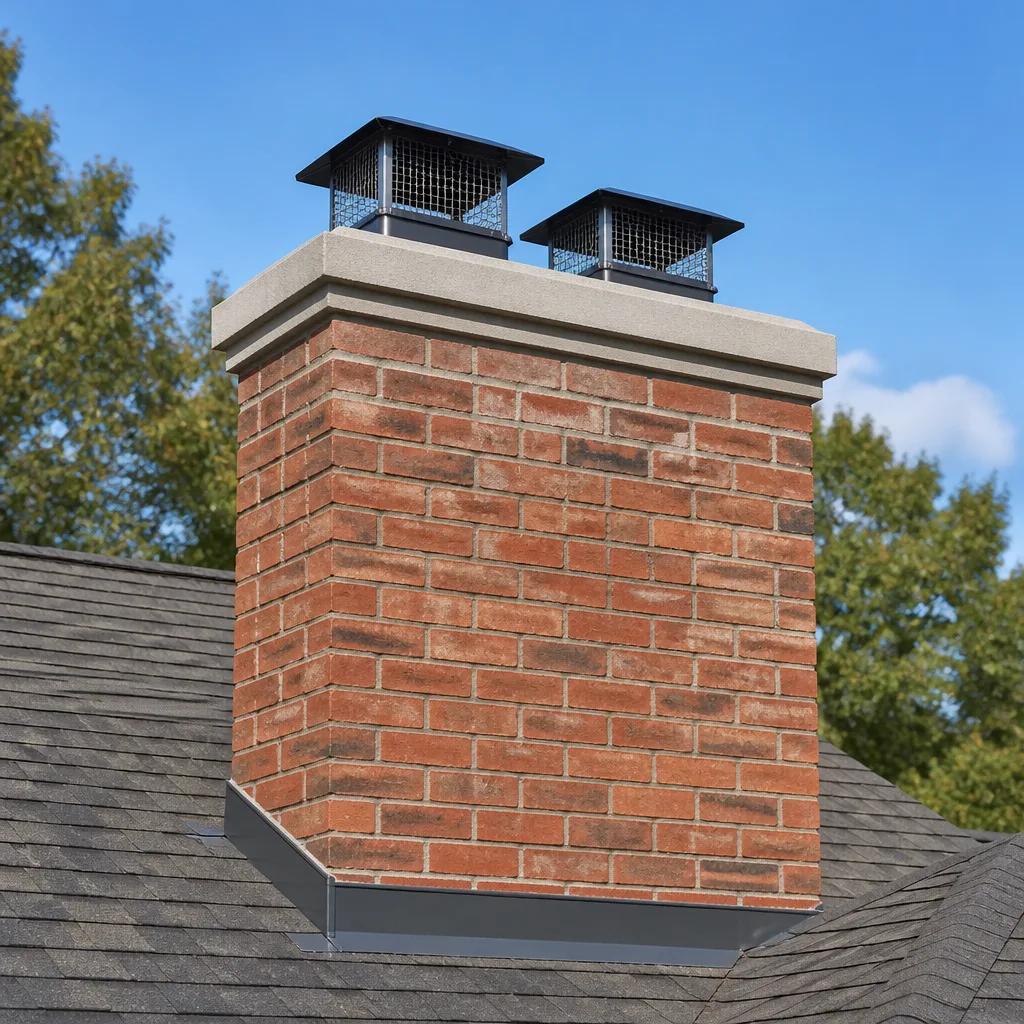 Caps & crowns
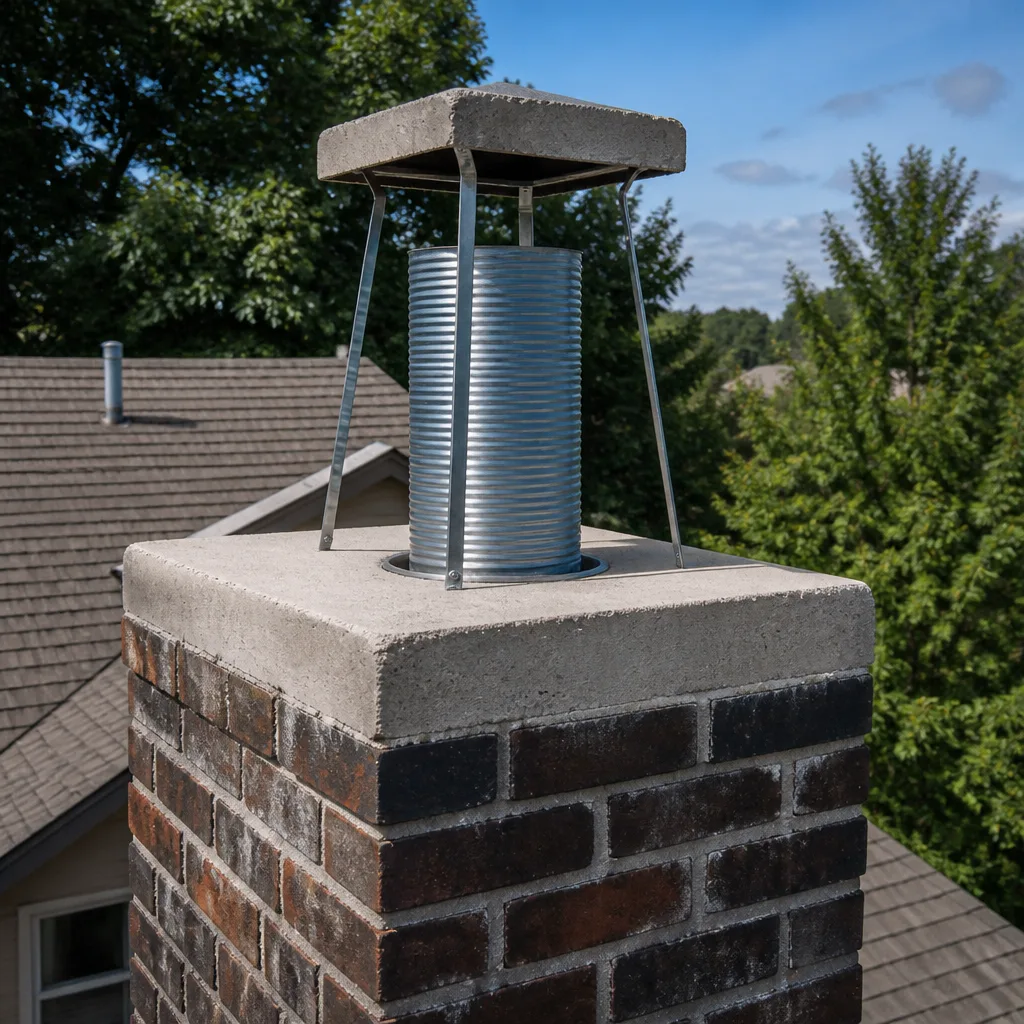 Flue relining
 Masonry repair
 Gas fireplace service
Level 1 sweep and inspection to the NFPA 211 annual standard - flue, crown, cap, and flashing checked and photographed
Chimney sweep logs do not sweep chimneys. They loosen some creosote - which then falls where a brush and vacuum still have to collect it.
Seasonal Chimney Cleaning Care for Arlington: Year-Round Homeowner’s Guide
Most Arlington homeowners think about the chimney exactly once a year, usually in October when the first cold snap hits and someone wants a fire that evening. By then, the problems that cause real damage have already been sitting in the flue for months. Spring is when Arlington chimneys are most likely to carry moisture damage, animal intrusion, and crumbling mortar, and it’s the season when almost nobody thinks about the chimney at all. This guide breaks the year into four threat windows and assigns the right tasks to the right season, so you act when the risk actually appears instead of when the calendar says so. You’ll also see how Arlington’s specific weather ages a chimney faster than a national average suggests.
Quick Answer
Seasonal chimney care in Arlington means thinking in four windows, not one: spring for moisture and animal damage, summer for the humidity-driven odor and sealing work that a sweltering Arlington July exposes, fall for the pre-season checklist done in September before the October backlog, and winter for safe burning and knowing the signs that mean stop using the fireplace. The single most important habit is a professional inspection at the top and middle of the heating season, because most of what goes wrong in a chimney is invisible from the firebox.
Styles & brands we work with
- Sweep & inspection
- Caps & crowns
- Flue relining
- Masonry repair
- Gas fireplace service
Table of Contents
- Why Arlington Weather Ages Chimneys Differently
- Spring: Moisten, Intrusion, and the Best Time to Book a Sweep
- Summer: Why a Smelly Fireplace in July Is a Cleaning and Sealing Problem
- Fall: The Pre-Season Checklist Before the First Fire
- Winter: Safe Burning and When to Stop Using the Chimney
- Inspection vs. Sweeping: What Each One Actually Catches
- A Year-at-a-Glance Task Schedule
- What Chimney Care Costs in Arlington
Why Arlington Weather Ages Chimneys Differently
A chimney in Arlington lives through a weather cycle that punishes masonry more than many other parts of the country. The problem isn’t one extreme season; it’s the swing between them. Arlington gets wet springs, humid summers, and winters that cycle repeatedly through freezing nights and mild afternoons. Every one of those transitions works on the same brick and mortar.
Freeze-thaw is the biggest culprit. Water soaks into brick and mortar joints, then freezes overnight and expands. It thaws, soaks deeper, freezes again. Do this dozens of times in a single Arlington winter and you get hairline cracks that slowly widen into spalling brick and crumbling mortar. Wet spring weather feeds that cycle because the masonry goes into the cold months already saturated. Humid summers add a different pressure: persistent moisture in a flue that isn’t being used, which is prime territory for odor and deterioration.
On top of weather, Arlington’s housing stock brings its own variables. The older brick colonials and bungalows across neighborhoods like Ashton Heights and Lyon Village often have original mortar that has been repointed at some point, sometimes with the wrong mix. Many of the newer townhomes and condos close to Ballston and Clarendon have factory-built chimney systems with their own liner requirements. A chimney in Arlington is rarely “average,” and that’s why a calendar-based approach falls short.
We’ve seen three things drive most of the damage in Arlington chimneys: an unsealed crown that lets water in at the top, a missing or damaged cap that invites rain and animals, and a flue that never gets inspected between heating seasons. None of those are cosmetic. Water is the slow destroyer of a chimney, and most of the year it’s doing its work quietly. That’s the reason we treat care as a year-round posture rather than a fall errand.
Spring: Moisture, Animal Intrusion, and the Best Time to Book a Sweep
Spring is the best time of year to book a chimney sweep in Arlington, and almost nobody does. The logic is straightforward once you see it. The heating season just ended, so your flue is carrying the creosote and soot from a full winter of fires. Getting that residue out in April or May rather than October means the corrosive material doesn’t sit in the flue through the humid months, when it can bind with moisture and speed up the breakdown of the liner. You also skip the October rush entirely.
The bigger spring story is water and wildlife. After a wet Arlington spring, the masonry above the roofline has been soaked and is now drying. That drying reveals problems: mortar that’s started to soften, flashing that’s pulling away, a crown that has cracked. Catch them in spring and a repair is minor. Ignore them through another freeze-thaw winter and you’ll be looking at a larger restoration.
Spring is also animal intrusion season. Chimney swifts return to the region in spring, and squirrels and birds look for sheltered places to nest. An uncapped or damaged flue makes an attractive home, and a nest is a genuine fire hazard because it blocks the flue and can ignite. Check these points after a wet Arlington spring:
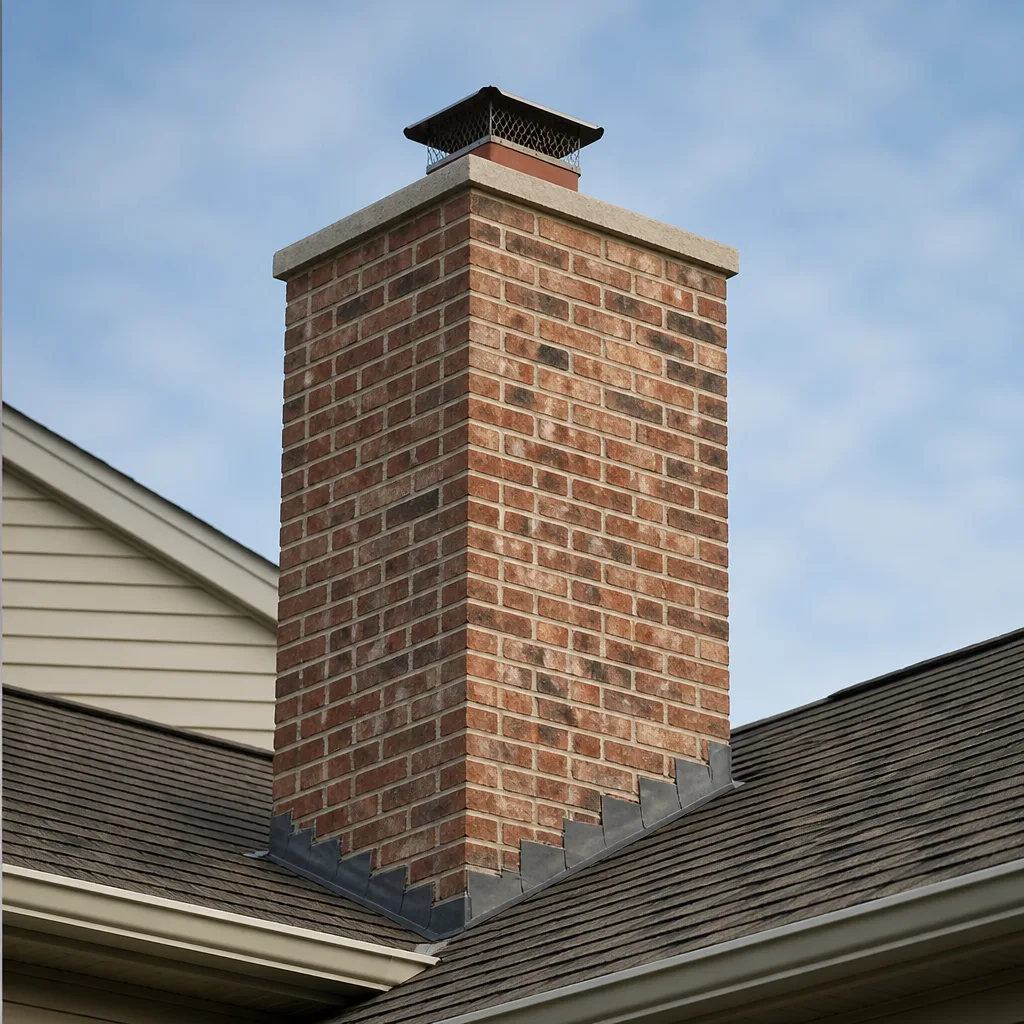
- The crown – the concrete cap at the top of the chimney. Hairline cracks are a spring item; a crumbling crown means water is getting into the structure.
- The cap and screen – the spark arrestor or cap over the flue. Missing, loose, or torn screens are how animals get in.
- Mortar joints above the roof – run a finger along a joint: if it’s soft or sandy, it’s a repair candidate.
- Flashing – where the chimney meets the roofing. Any gap or lifted edge lets water in sideways.
- Interior stains or musty smell – signs that water is already finding its way inside.
If you hear scratching, chirping, or flapping in the flue, don’t light a fire to flush it out. Call a professional who can remove the animal safely and then inspect and repair whatever let it in. If you’re searching for the right starting point in the city, our Arlington page outlines how the full-service model works. The short version for spring: check for water and animals, and get on the calendar before fall.
Summer: Why a Smelly Fireplace in July Is a Cleaning and Sealing Problem
A fireplace that smells in July is almost never a ventilation mystery. The usual cause is leftover creosote in the flue combined with high humidity, and it’s a cleaning and sealing problem. Here’s how the connection works. Creosote and soot are acidic and porous. They absorb moisture from the humid summer air, and that combination produces the sharp, smoky, or sour odor that drifts into the house on hot, still days. When the stack effect reverses in summer (warm air outside, cooler air in the flue), the smell comes down instead of going up.
That’s why opening a window doesn’t fix it, and why blaming your HVAC doesn’t help. The source is the dirty flue, and the fix is cleaning it out and sealing where moisture is getting in. In an Arlington summer, with weeks of high humidity, a flue that hasn’t been cleaned since spring becomes a reliable odor source. This is the clearest case for the spring sweep: clean it in spring and you remove the material that would otherwise absorb summer moisture.
Summer is also the best season for the repair work that’s awkward to schedule once heating season starts. If inspection turns up a damaged liner, summer is when it gets fixed. DuraFlex liner systems and HeatShield resurfacing are the kind of professional-grade materials used to extend chimney life rather than patch a problem temporarily, and a repair done in the drier summer months has time to cure properly before the first cold snap. The same goes for crown work and mortar repointing, which set and cure better in dry weather than in a wet spring or a freezing winter.
A summer fireplace that no longer smells after a proper cleaning is a sign the problem was where we said it was. If the odor comes back the following summer, the sealing side of the fix (cap, crown, flashing, any gap allowing humid air into the flue) needs a closer look. Summer is the season to settle that, not November.
Fall: The Pre-Season Checklist Before the First Fire
Fall is when the risk of a chimney fire climbs, and it’s also when everyone books at once. The order of tasks matters more than most homeowners realize, so treat this as a sequence rather than a checklist to tick in any order. And schedule in September, not October, because the October backlog in Arlington means you may not get an appointment before you want a fire.
- Get the professional inspection first. Before anything else, have the chimney inspected top to bottom. A formal inspection catches cracked flue tiles, liner damage, blockages, and structural issues that a visual check from the firebox will miss. This is the step that tells you whether you can safely light a fire at all.
- Sweep the flue. Remove the soot and creosote that built up over the previous heating season. Creosote is the fuel in a chimney fire, and the amount matters. A flue that carried a full winter of fires may have a layer that needs removal before the next one begins.
- Check the cap and the crown. Repair or replace a damaged cap and seal any cracks in the crown. These are the first lines of defense against the water that will do the freeze-thaw damage described above.
- Confirm the damper works. Open and close it a few times. A stuck-open damper wastes heat and lets moisture in; a stuck-closed one means smoke in the room.
- Inspect the firebox and any gaskets or doors. Worn gaskets or a warped door on a wood stove let air in where it shouldn’t and cut efficiency.
- Clear the roof. Falling leaves and debris near the chimney top are common in fall, and a blocked or screened-off cap is a safety problem, not a cosmetic one.
Do the inspection and sweep before the first fire, not after. A fire lit in an uninspected chimney can expose you to carbon monoxide or ignite creosote, and the job is to get the assessment done so you know what you’re working with. When repairs come up, our chimney repair service covers liner, crown, mortar, and related restoration work with professional-grade materials such as HeatShield and DuraFlex, so you’re not coordinating a second contractor for the fix.
Winter: Safe Burning and When to Stop Using the Chimney
Winter is peak use, and safe burning is mostly about three habits: dry wood, adequate draft, and attention to warning signs. Burn only well-seasoned wood that’s dry to the touch and lighter than it looks. Green or wet wood produces more creosote and more smoke. Build small, hot fires rather than long smoldering ones, because a smoldering fire sends more unburned material up the flue to condense as creosote.
Keep the damper open when there’s an active fire, and never close it with hot embers still in the box. Never burn trash, cardboard, or paper. And regardless of how cold it is, carbon monoxide is the reason to have working CO detectors and to know that a chimney that isn’t drafting is a real hazard.
Some signs mean stop using the chimney and call a professional before you light another fire. These are not warnings to weigh and monitor over the next few days; they’re reasons to rule out a serious problem first:
- A loud roar or rumbling during a fire, with the chimney drawing unnaturally hard.
- Dense smoke coming back into the room, or a persistent smell of smoke when no fire is burning.
- Visible creosote, especially a thick, glossy, or bubbly layer inside the flue.
- Falling debris or visible damage such as cracked flue tiles or loose brick.
- Any carbon monoxide alarm going off when the fireplace is in use. Leave the area and get the chimney checked before using it again.
- Cracks in the firebox or a warped door on a stove or insert.
If any of these show up mid-season, stop using the fireplace and get a professional assessment. Burning through a warning sign is the one thing in chimney care that has no safe margin. In our experience, most of these signs point to a build-up or a liner issue that a proper inspection can confirm and a repair can resolve, but the important part is stopping long enough to find out.
Inspection vs. Sweeping: What Each One Actually Catches
Homeowners often use “inspection” and “sweep” interchangeably, and that’s the root of a lot of confusion about chimney care. They are different services that answer different questions. A sweep cleans; an inspection assesses. You need both, and they don’t substitute for each other.
- Sweeping removes soot and creosote from the flue and firebox. It answers: is the flue clear enough to burn safely?
- Inspection assesses the condition of the whole system: flue tiles and liner, crown, cap, flashing, firebox, damper, and the joints and brick above the roof. It answers: is anything damaged, and what needs fixing and in what order?
A chimney can be perfectly clean and still be unsafe because of a cracked flue tile or a crumbling crown. That’s why a sweep alone isn’t enough. A proper inspection gives you a documented picture of chimney health, and that record is what turns “someone said it looked fine” into a decision you can actually act on, including knowing what can wait. In Arlington’s climate, an inspection at the top of the heating season and another after a wet spring catches the two windows where problems get worse fastest.
When we inspect, the goal is a clear, honest assessment of what’s there and what needs doing, in priority order. Some findings can wait; some can’t, and knowing the difference is the whole point. Sentry Chimney Sweep handles sweeping, inspection, and repair under one roof so you don’t have to stitch together three contractors and hope they agree. That single-contractor model is the practical reason to keep one specialist across the year rather than booking whoever’s available in October.
A Year-at-a-Glance Task Schedule
This is the calendar to keep on the fridge, arranged by the season the risk actually appears rather than a generic “clean in fall” list. It assumes you burn regularly during heating season; if you burn only occasionally, the inspection schedule still applies but the sweeping interval can stretch.
- Spring (after heating season): Book the sweep and inspection. Check the crown, cap, and flashing for water damage. Watch and listen for animals in the flue. Remove any nesting material with a professional’s help.
- Early summer: Address any repair flagged in spring: liner, crown, mortar, flashing. Dry weather is the right time for repair work that needs to cure.
- Late summer: Investigate and fix any summer odor at the source. Confirm the cap and seals are intact before the humid tail of the season.
- September: Run the full pre-season checklist from this guide. Inspection and sweep before the first fire, and before the October rush fills the schedule.
- October through winter: Burn dry wood, keep the damper open during fires, and watch for the warning signs listed above. Stop use if any appear.
- Any time: Keep working carbon monoxide detectors on every level and know where to shut off the fireplace’s gas if you have a gas appliance.
Two inspections and one cleaning a year, done on this schedule, will keep an Arlington chimney ahead of its weather. Add a cap and a sound crown to that routine and you’ve covered the two biggest drivers of premature damage: water and creosote.
What Chimney Care Costs in Arlington
Chimney care pricing depends on the job, so treat any figure as an estimate and confirm the final number with a written estimate. The ranges below are typical for the kind of work described in this guide; the written estimate sets the final price, and the estimate itself is free.
- Standard sweep and inspection: a routine cleaning of the flue and firebox with a basic safety inspection. This is the core annual service.
- Formal inspection: a documented assessment of the full system, useful before season start or after any repair, and where you start if you’ve never had the chimney checked.
- Crown repair or replacement: priced by the size and condition of the crown and the access needed.
- Mortar repointing: priced by how much of the chimney needs the work, above the roofline.
- Liner repair or relining: priced by the liner system and the length and configuration of the flue.
- HeatShield resurfacing: priced by the condition of the flue being restored and the extent of the repair.
The reliable way to know what your chimney needs is an inspection, and the reliable way to know the price is a written estimate after that inspection. We keep the inspection findings visible and explain what can safely wait, so you’re not guessing at whether a repair is urgent. If there’s a genuine safety issue, you’ll know why it’s being flagged; if a repair can wait until the next window, we’ll say so. Call (833) 309-7302 for a free estimate. We answer 24/7. Fast dispatch from 7am to 7pm, Sunday through Friday.
One more note on cost that matters more than the numbers: the cost of skipping care entirely. A chimney fire, a carbon monoxide problem, or a water-damaged structure costs far more than a sweep and an inspection. The whole reason this guide is arranged by season is that the cheap, catch-it-early version of every repair is the one done on schedule.
Common Mistakes to Avoid
- Cleaning only in October. The October backlog in Arlington means you may not get an appointment before the first fire. Booking in spring clears the flue before the humid months and lands you a spot when the calendar is open.
- Treating a summer odor as a ventilation problem. If the fireplace smells in July, the cause is usually creosote and humidity, not your HVAC. Clean the flue and seal the moisture path instead of propping open a window.
- Skipping the inspection because the sweep looked fine. A clean flue can still have a cracked tile or a damaged crown. The inspection is what finds the damage the eye can’t reach.
- Leaving the chimney uncapped. An uncapped flue lets in rain, leaves, and animals. In a wet Arlington spring that opening is how water gets into the masonry in the first place.
- Burning green or wet wood. It’s the source of most excess creosote. Seasoned wood is dry, lighter than it looks, and burns cleaner.
- Lighting a fire to flush out an animal. It doesn’t work and can start a chimney fire. Call for safe removal and then repair whatever let the animal in.
- Burning through a mid-season warning sign. Smoke coming back, a carbon monoxide alarm, or a loud roar in the flue means stop use and get a professional assessment.
See the difference
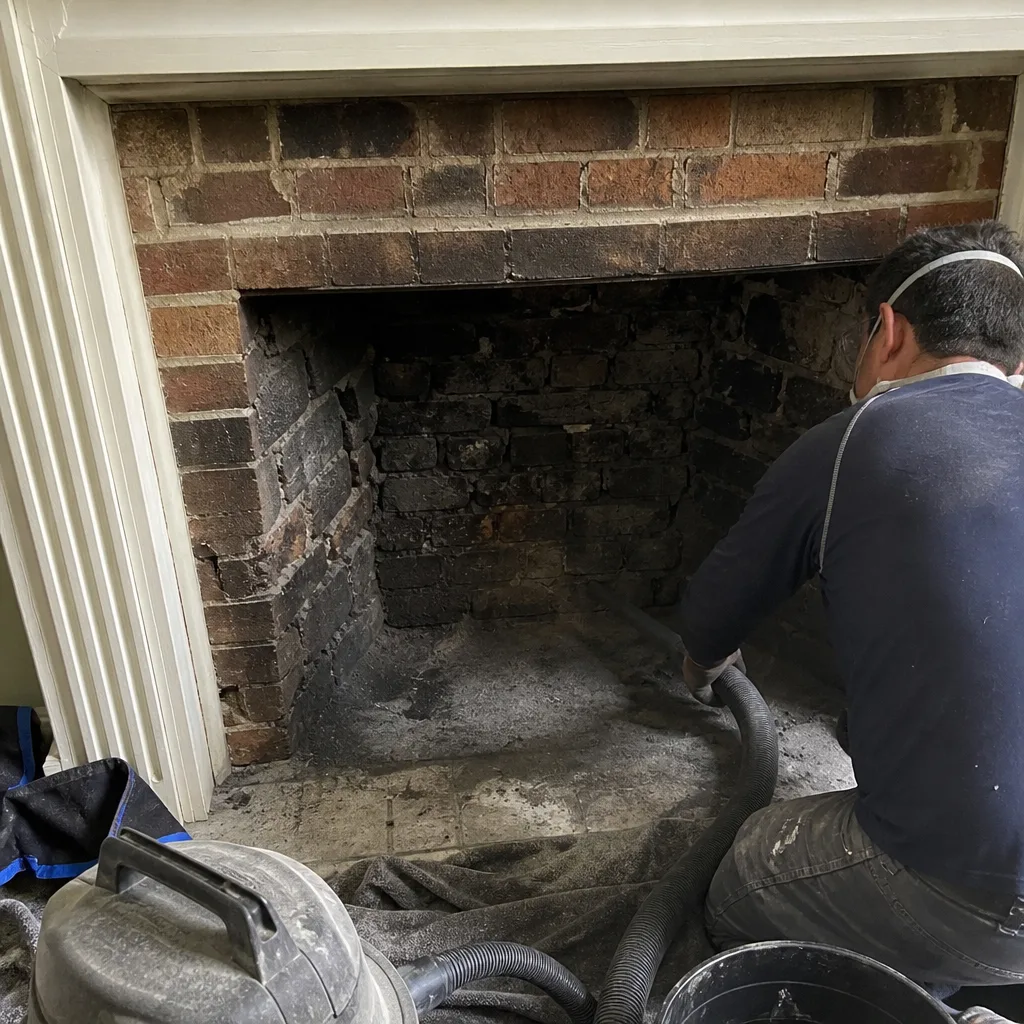 Before
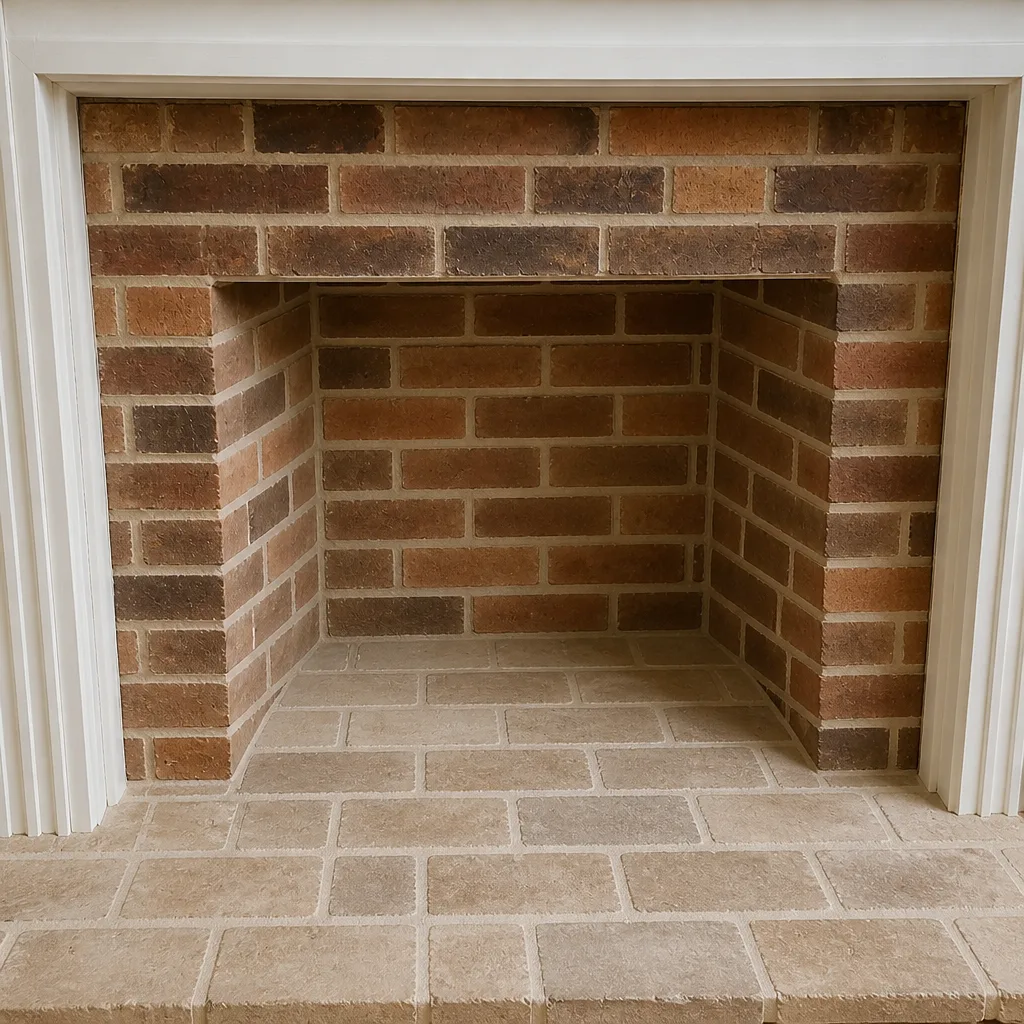 After
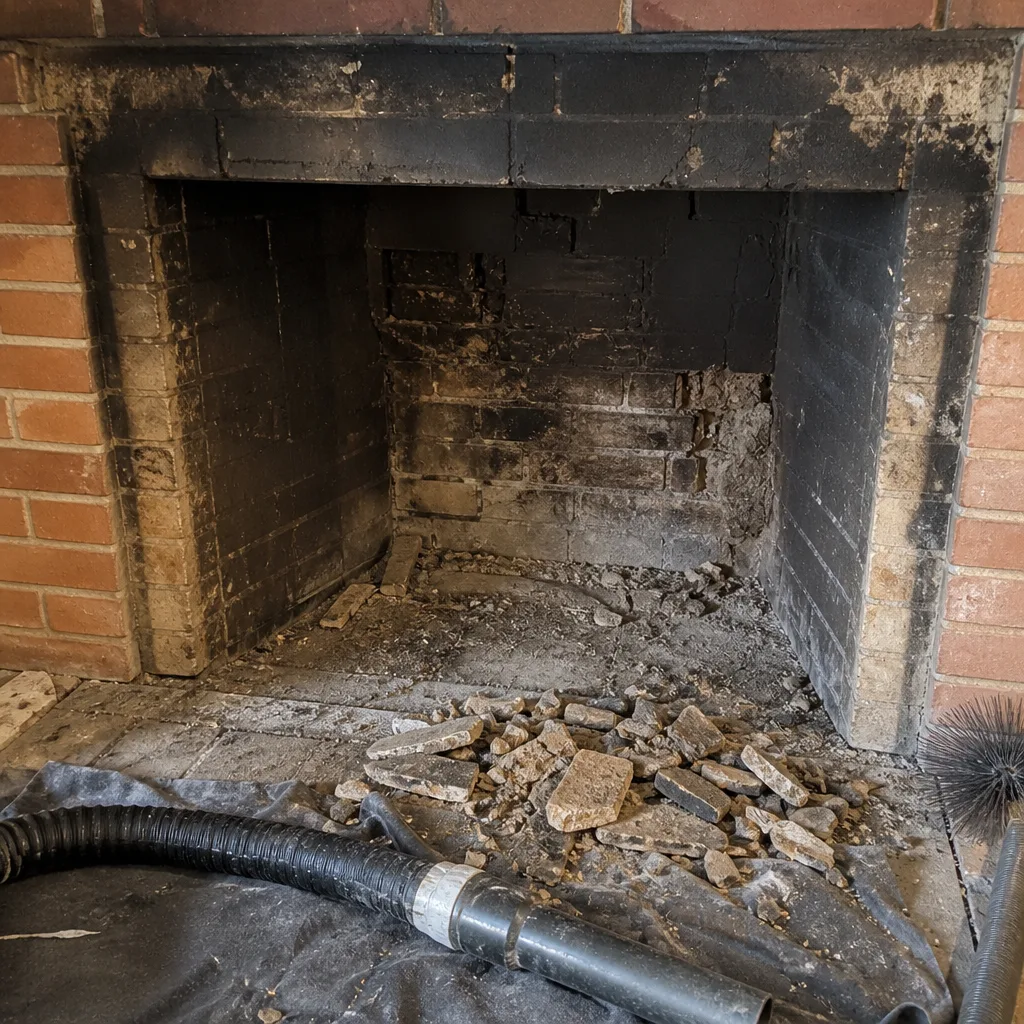 Before
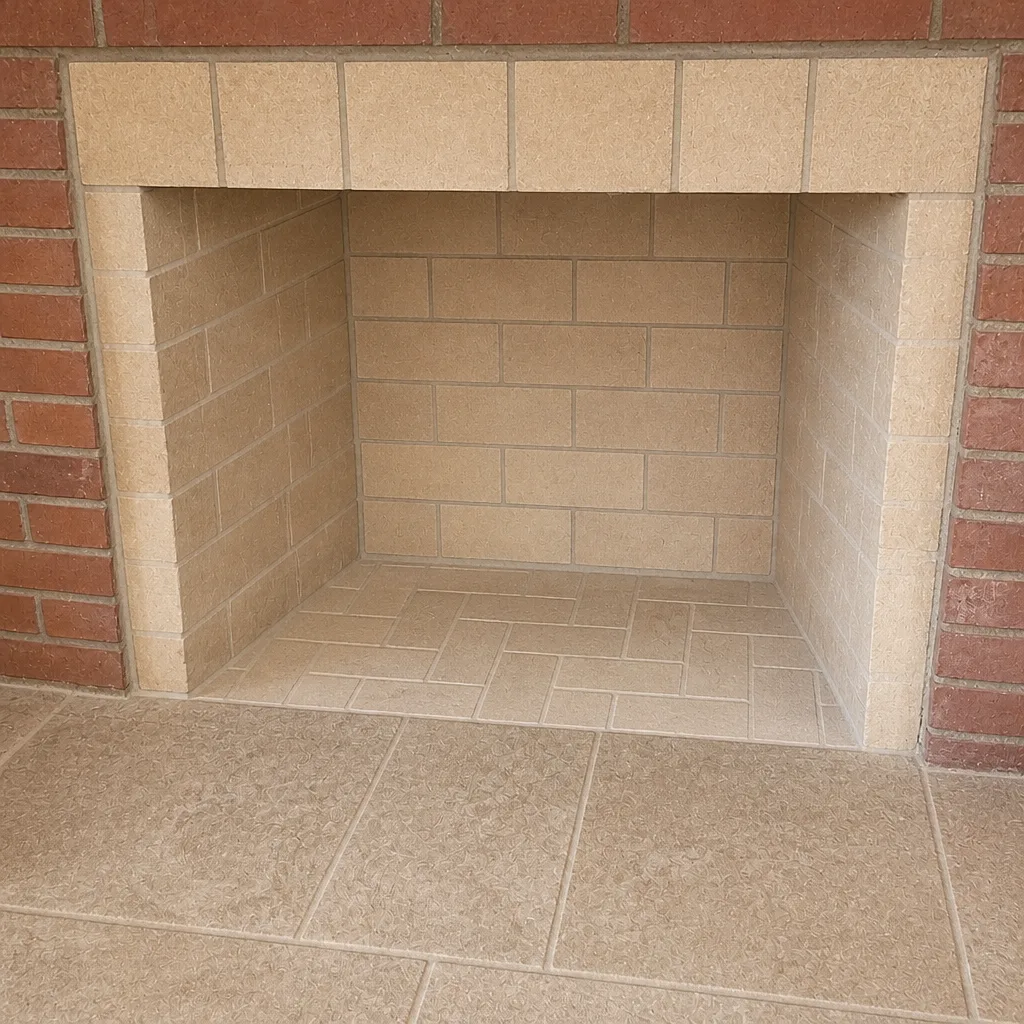 After
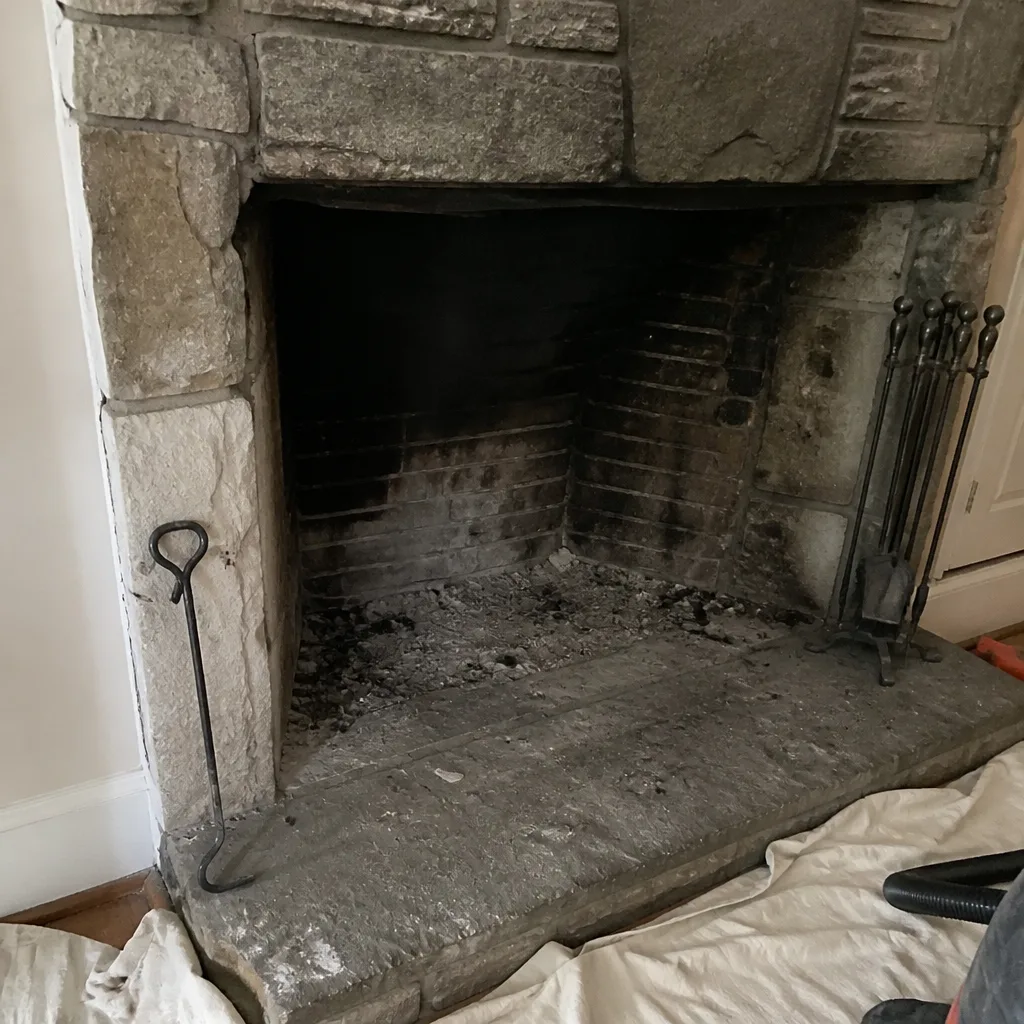 Before
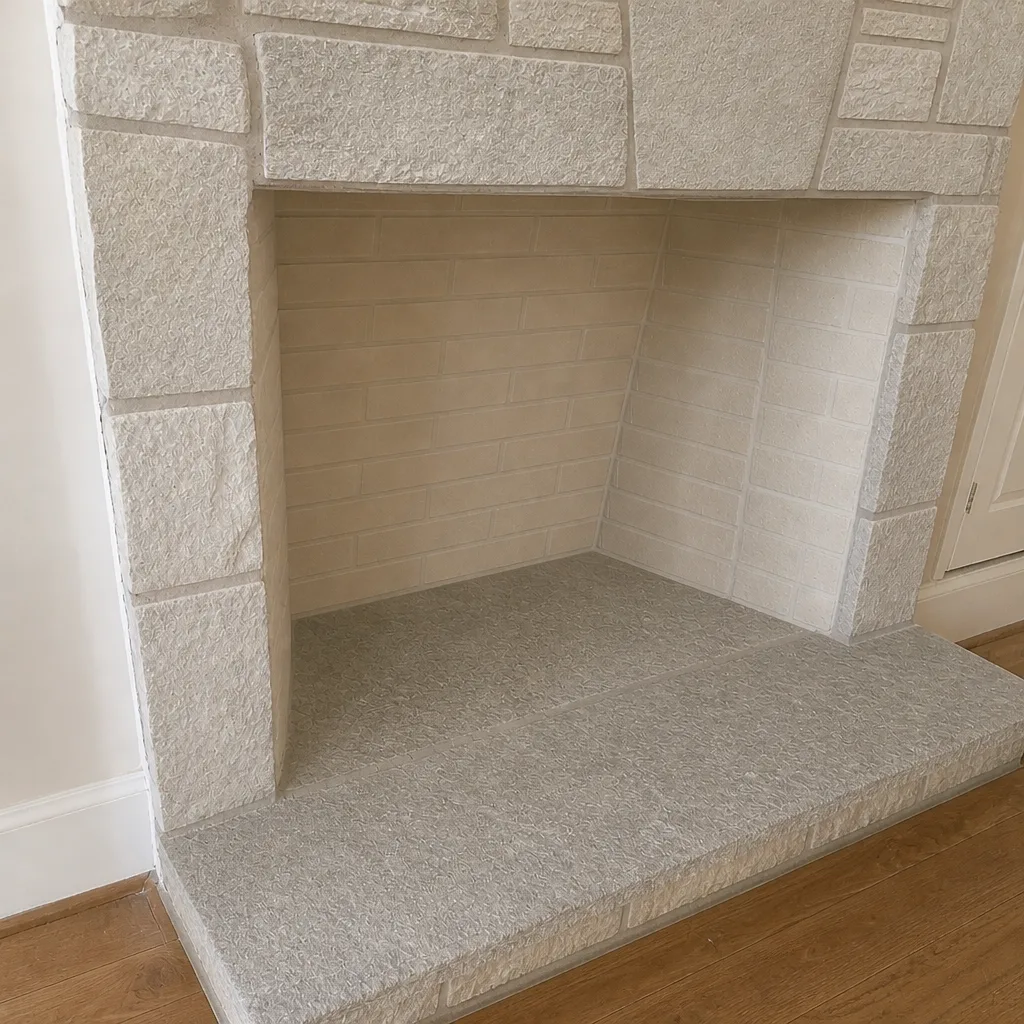 After
When to Call a Professional
Call a professional if you haven’t had the chimney inspected in the past year, if you’ve just finished a full heating season without a sweep, or if any of the warning signs in this guide show up. Call immediately if you hear an animal in the flue, see a cracked crown or loose brick, or get a carbon monoxide alarm when the fireplace is in use. Call before the first fire if the chimney was repaired last year or has never been assessed. In Arlington’s climate, spring is the best window for a moisture and animal check, and September is the best window for the pre-season inspection. Don’t wait for a symptom if a scheduled inspection will catch the problem first. Sentry Chimney Sweep offers free estimates in Arlington. Call (833) 309-7302.
Frequently Asked Questions
Once a year is the baseline for a chimney in regular use, and in Arlington’s wet-spring, humid-summer climate, the best time to sweep is right after heating season ends in spring. If you burn every night through the winter, a flue that carried a full season of fires needs a cleaning before the next one. Call (833) 309-7302 for a free estimate.
Usually not. A fireplace that smells in summer is more often creosote and soot in the flue absorbing moisture from humid air, made worse by the stack effect reversing on hot days. The fix is a cleaning plus sealing the path where humid air gets in, not an HVAC repair. Call (833) 309-7302 for a free estimate.
A sweep cleans soot and creosote from the flue; an inspection assesses the whole system, from the flue and liner to the crown, cap, flashing, firebox, and damper. A chimney can be clean and still be unsafe, which is why you want both. Call (833) 309-7302 for a free estimate.
Spring clears the winter’s creosote before humid weather arrives and lands an appointment before the fall rush, and it’s the season when water and animal damage show themselves. Doing the work in spring means the flue sits clean through the months when moisture does the most harm. Call (833) 309-7302 for a free estimate.
Stop if you hear a loud roar or rumbling, see dense smoke coming back into the room, have visible thick creosote in the flue, or get a carbon monoxide alarm while the fireplace is in use. Any of these means a professional assessment before you light another fire. Call (833) 309-7302 for a free estimate.
In our experience, yes, because the repeated freeze-thaw cycle through Arlington winters works water into the masonry and expands it, and wet springs feed the same cycle. Humid summers add a third pressure on top. Regular inspection is what catches that damage while it’s still minor. Call (833) 309-7302 for a free estimate.
The Bottom Line
Treat chimney care in Arlington as four seasonal windows, not one fall errand. Spring is for the sweep and for catching water and animal damage; summer is for fixing the odor and doing repairs in dry weather; fall is for the pre-season checklist done in September; winter is for safe burning and knowing when to stop. Two inspections and one cleaning a year, done on that schedule, keep a chimney ahead of the climate. And every repair is cheaper caught early, which is the whole case for acting on the season the risk appears. We don’t just clean chimneys; we protect the homes behind them, and standing guard over your home’s fire safety is the job we take seriously. Call (833) 309-7302 for a free estimate. We answer 24/7. Fast dispatch from 7am to 7pm, Sunday through Friday.
For a specialist in full-service Sentry Chimney Sweep care, one call covers sweeping, inspection, and repair.
Written by the team at Sentry Chimney Sweep.