
Last updated November 15, 2026
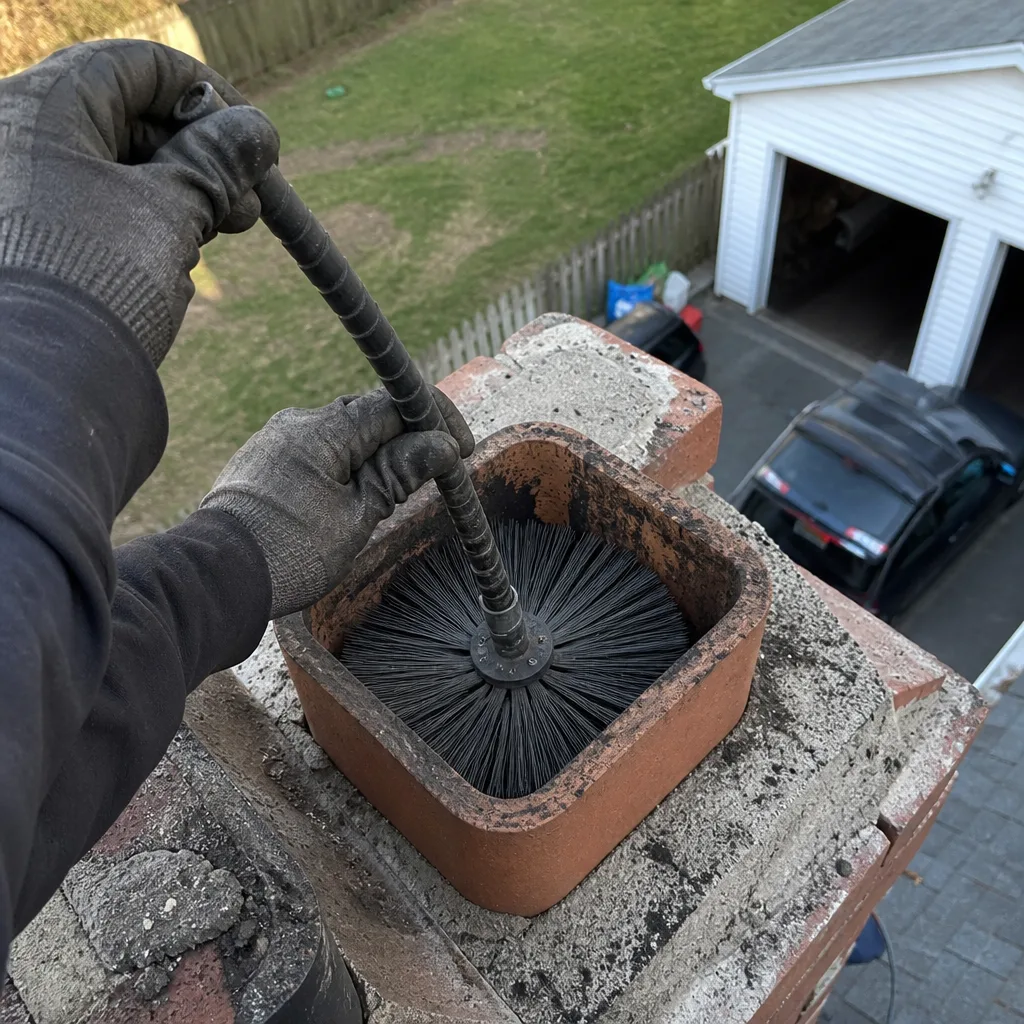
 Sweep & inspection
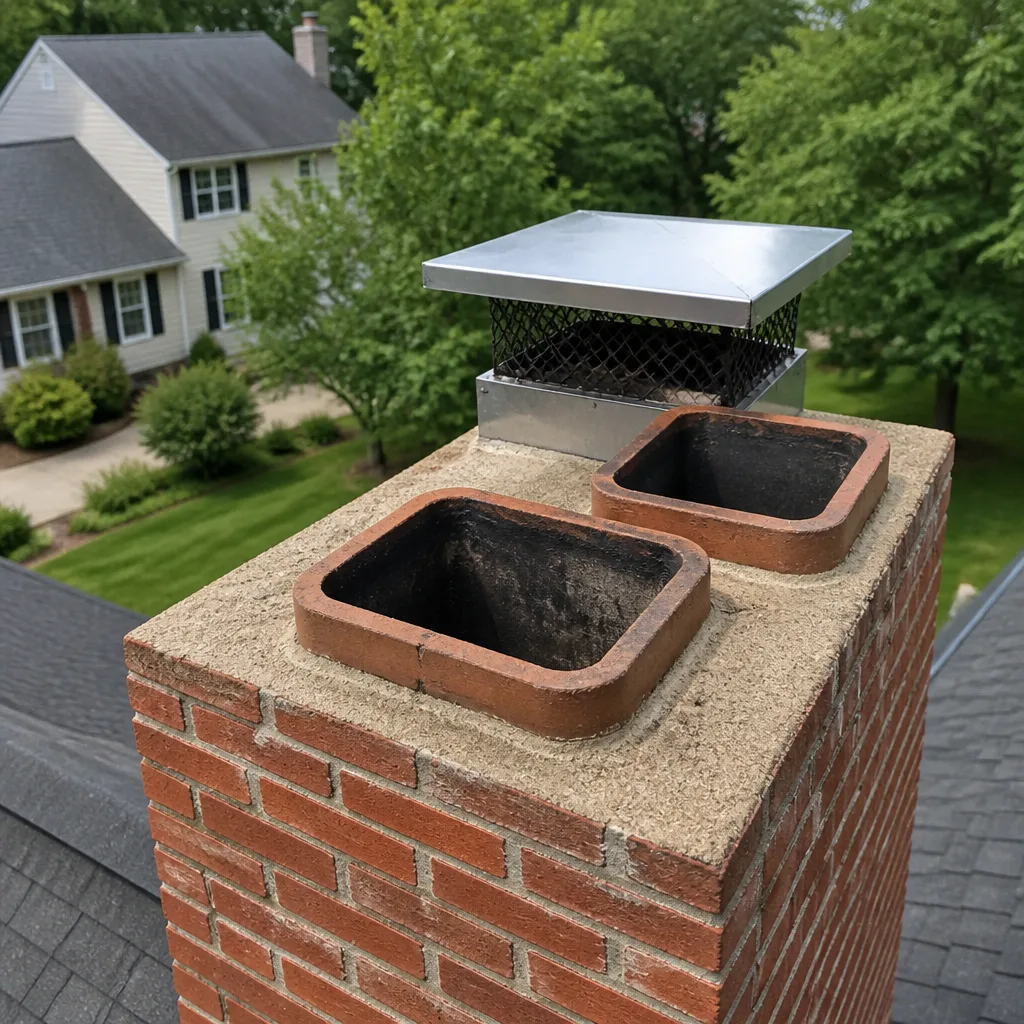
 Caps & crowns
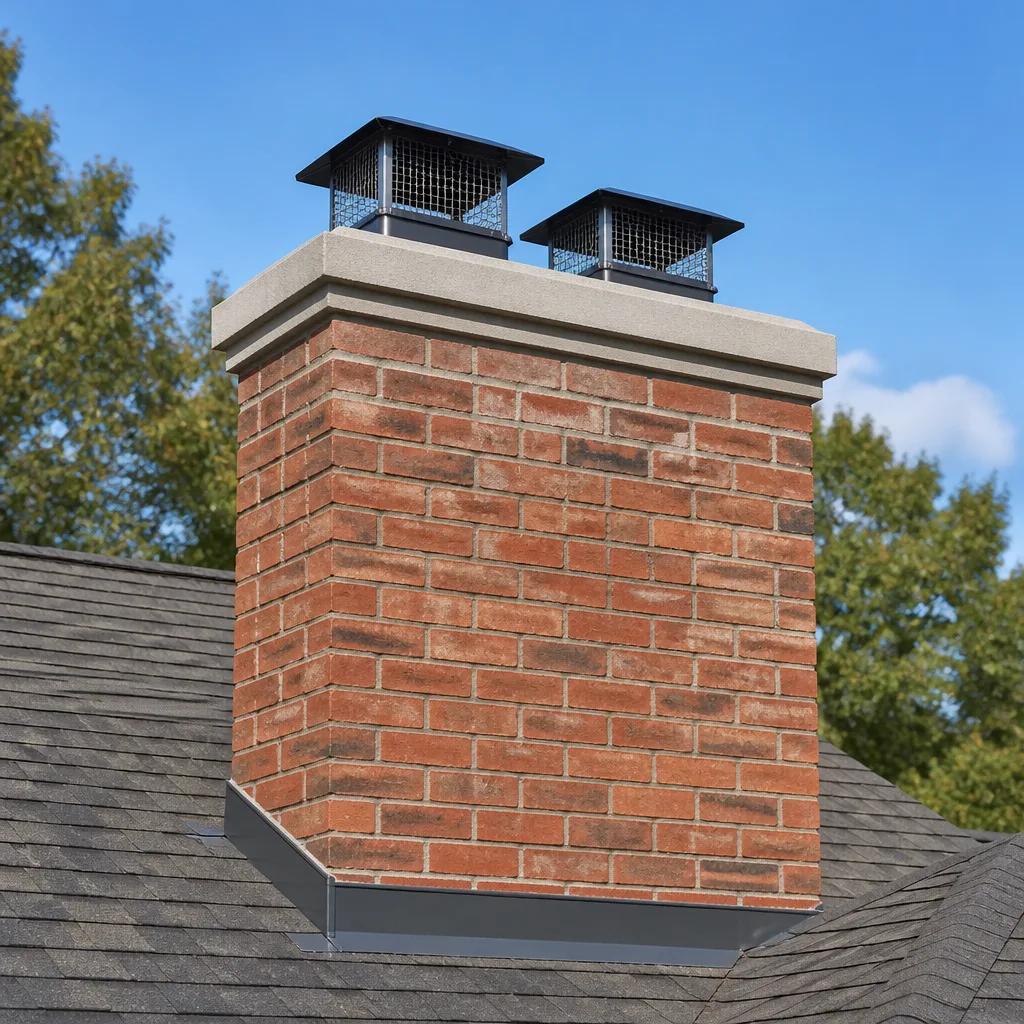
 Flue relining
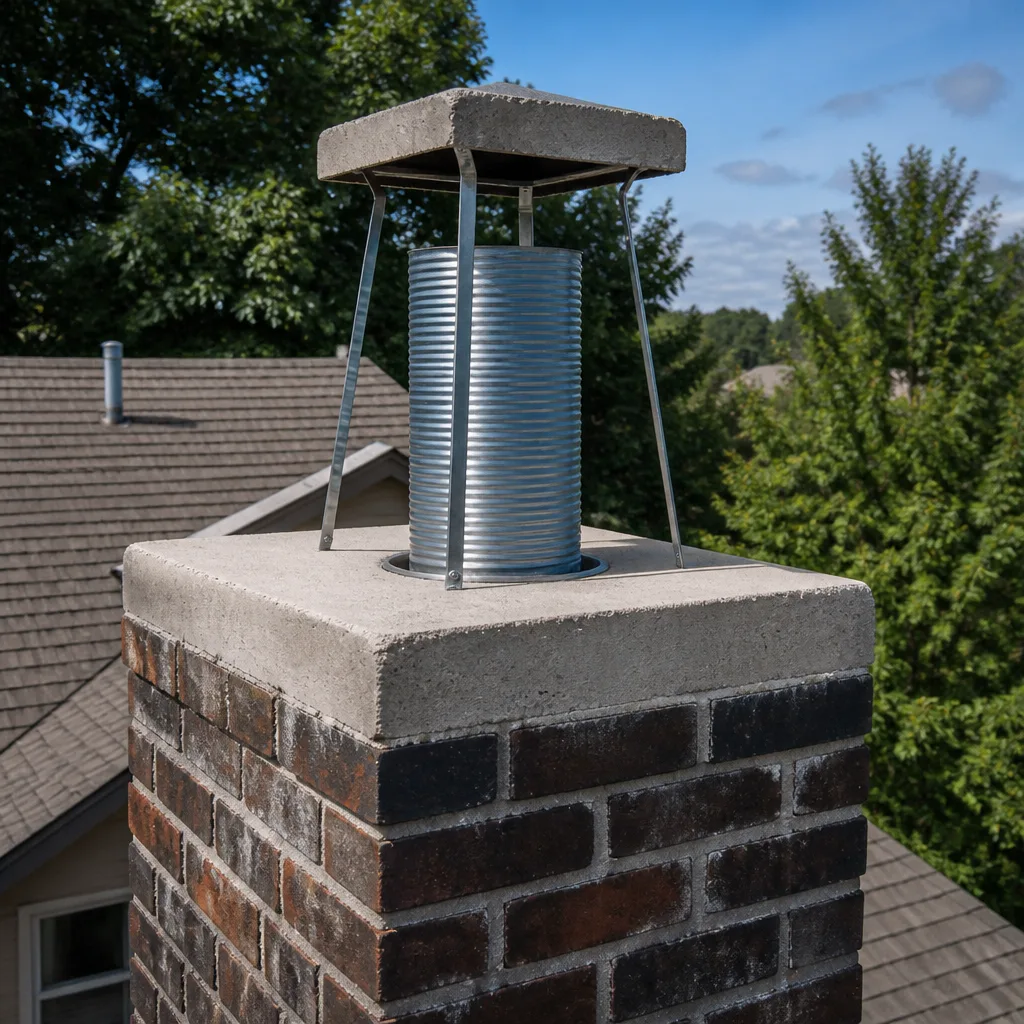
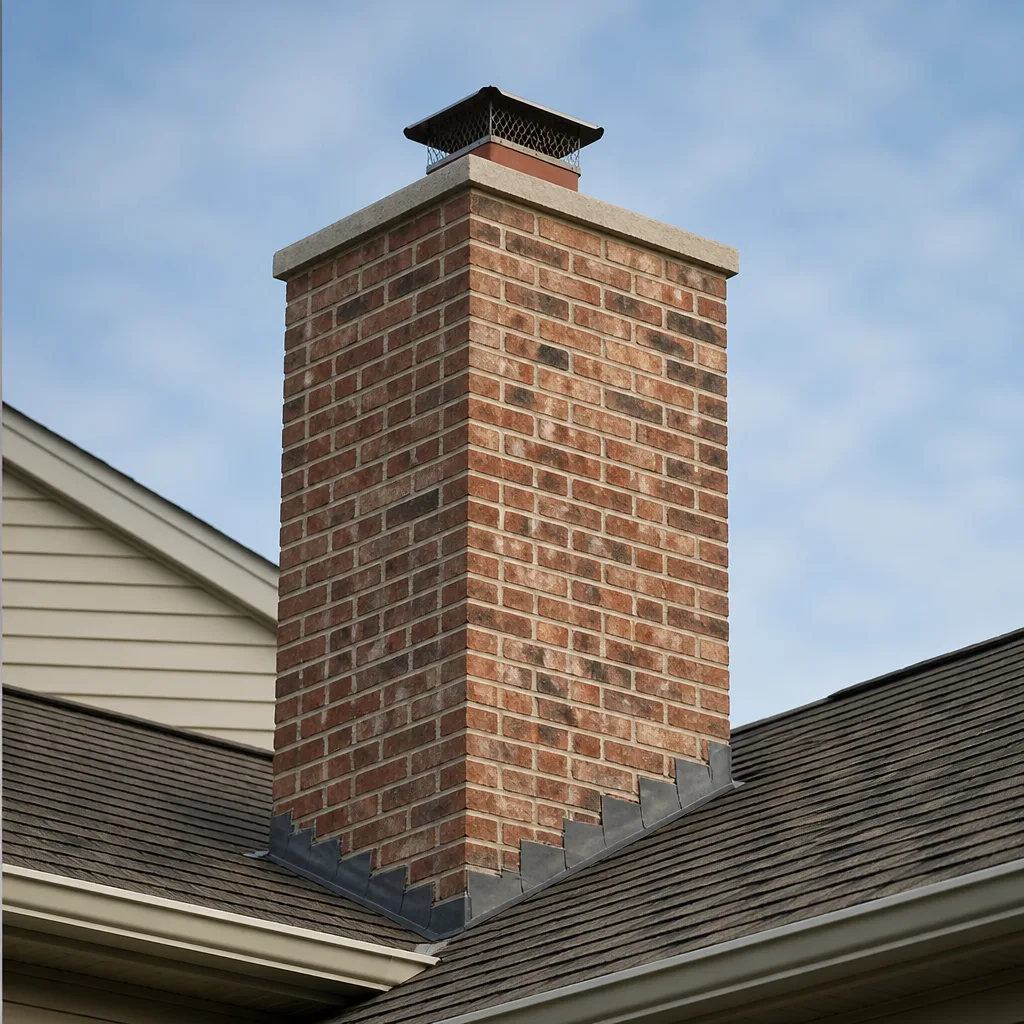 Masonry repair
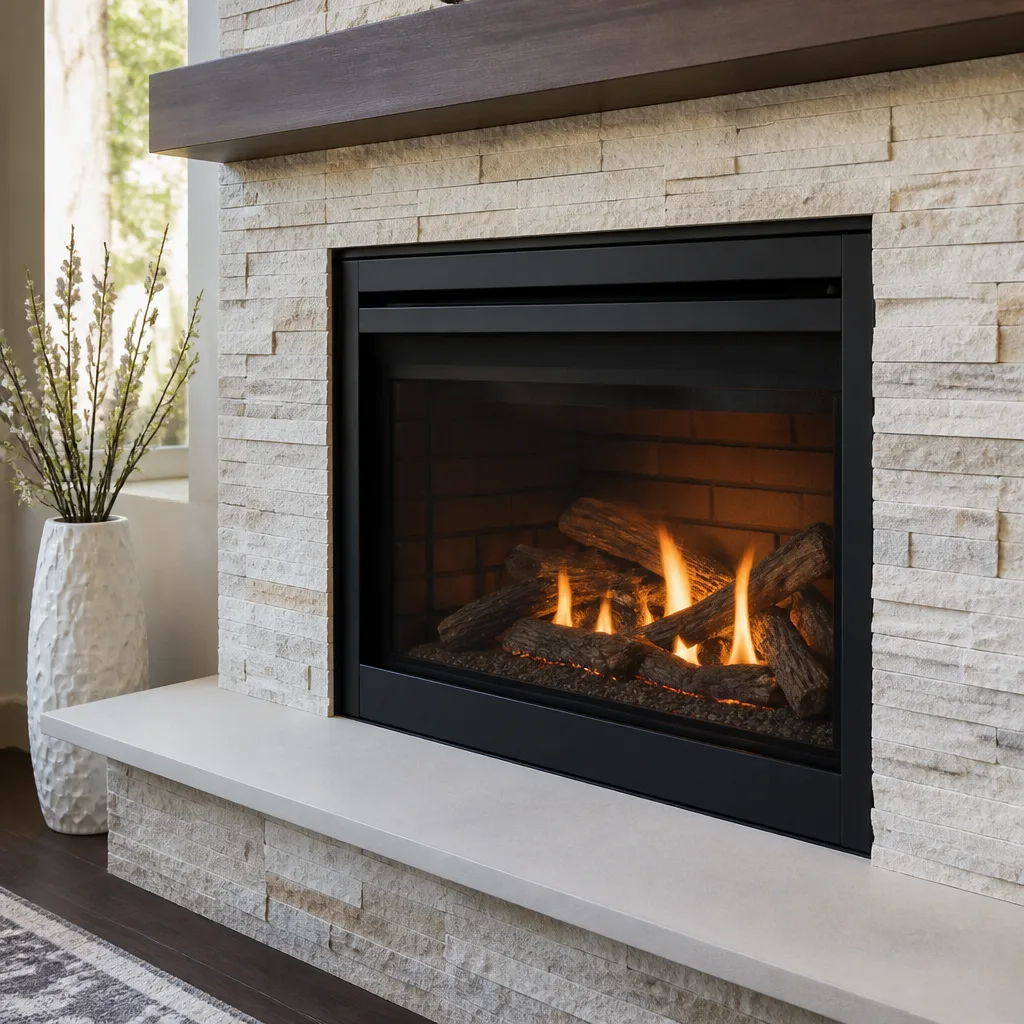 Gas fireplace service
Level 1 sweep and inspection to the NFPA 211 annual standard - flue, crown, cap, and flashing checked and photographed
Chimney sweep logs do not sweep chimneys. They loosen some creosote - which then falls where a brush and vacuum still have to collect it.
Chimney Cleaning Permits, Codes & Inspections in Arlington, VA: What You Need to Know
Here’s the part most homeowners get backwards: the cleaning itself is the easy half. Sweeping a chimney doesn’t trigger a permit in Virginia. But the repairs a sweep so often uncovers – a cracked liner, a failing crown, a missing cap – usually do. In Arlington, where much of the housing stock dates to the mid-twentieth century and older, those discoveries happen more often than people expect. A homeowner budgets for a routine sweep and ends up needing structural work they never planned for. What we walk you through on this page: what Virginia’s building code actually requires, when chimney work needs a permit, how inspections fit in, and how to protect yourself if you’re buying an Arlington home with a chimney of unknown history.
Quick Answer
Chimney cleaning in Arlington, VA does not require a building permit, but many chimney repairs do – liner replacement, crown reconstruction, and chimney cap installation commonly fall under Virginia’s Uniform Statewide Building Code and need a permit pulled through Arlington County. Separately, an annual chimney inspection is not a legal requirement, but it’s the standard NFPA 211 recommends and the only reliable way to know whether the system is safe to use.
Styles & brands we work with
- Sweep & inspection
- Caps & crowns
- Flue relining
- Masonry repair
- Gas fireplace service
Table of Contents
- Does Chimney Cleaning Need a Permit in Arlington?
- What Virginia’s Building Code Says About Chimney Systems
- How the Arlington County Permit Process Works
- NFPA 211: The Standard Behind the Rules
- What a Chimney Inspection Actually Covers
- Buying a Home? How to Verify Past Chimney Work
- The Insurance Problem With Unpermitted Chimney Repairs
- Common Mistakes to Avoid
Does Chimney Cleaning Need a Permit in Arlington?
No. Routine chimney cleaning – sweeping out creosote, soot, and debris – is maintenance, not construction, and it doesn’t require a permit in Arlington or anywhere else in Virginia. A chimney sweep can come out, clean the flue, and leave without filing a single form.
The confusion starts when the sweep turns into a repair. Cleaning exposes problems. Creosote removal reveals a cracked flue tile. A camera inspection shows a liner that’s deteriorated past the point of patching. Once the conversation shifts from cleaning to rebuilding or replacing, you’re in permit territory – and that’s true whether the work is big or small.
What generally needs a permit in Arlington:
- Liner replacement or relining work
- Crown repair or reconstruction where the chimney structure is altered
- Chimney cap installation where it involves structural fastening or masonry work
- Masonry repairs that affect the structural integrity of the chimney
- Any alteration to the flue or firebox configuration
What typically doesn’t:
- Standard sweeping and creosote removal
- Routine inspection
- Minor maintenance like tightening a loose cap or clearing a blockage
The line between these two categories isn’t always obvious to a homeowner, and it’s one reason to work with a specialist rather than a generalist. A dedicated chimney company knows where the maintenance ends and the permitting begins.
What Virginia’s Building Code Says About Chimney Systems
Virginia’s Uniform Statewide Building Code (USBC) governs construction and renovation across the Commonwealth, and it adopts the International Residential Code as its technical basis for one- and two-family homes. That means when a chimney is built, repaired, or replaced, the work is expected to conform to the IRC’s chimney and venting provisions – clearances to combustibles, flue sizing, liner material specifications, and structural requirements.
What the USBC means in practice for an Arlington homeowner:
- Chimney work that changes the system is regulated construction, not casual home improvement.
- The code is enforced locally. Arlington County administers and inspects against it.
- The technical standard behind the code for existing chimneys is NFPA 211, which we’ll get to shortly.
- Work that doesn’t conform can be flagged later – during a sale, a refinance, an insurance claim, or a subsequent inspection.
One point that surprises people: the USBC’s reach isn’t limited to new construction. When an existing chimney is modified – relined, reconstructed, or retrofitted – the alteration is expected to meet current code, not the code that was in effect when the house was built. A 1940s Arlington bungalow with an original clay-tile flue can’t be relined to 1940s standards; the new liner has to meet today’s requirements.
This is where materials matter. The brands the trade specifies for this work – DuraFlex for stainless liner systems, HeatShield for resurfacing deteriorated flues – are chosen because they’re engineered to bring an old chimney up to current code without a full teardown. Generic or unspecified materials don’t carry the same documentation trail, and that documentation is what a county inspector and a future buyer will both want to see.
How the Arlington County Permit Process Works
Chimney permits in Arlington are handled through the county’s building department, and here’s the part homeowners most often get wrong: the permit has to be pulled by the licensed contractor doing the work, not by the homeowner. If a chimney company asks you to pull your own permit for a liner replacement, that’s a sign to ask more questions before you sign anything.
How it usually goes, step by step:
- The scope is defined. An inspection or camera assessment establishes exactly what needs to be replaced, rebuilt, or repaired. No permit application is worth much without a clear scope.
- The contractor applies. The licensed contractor submits the permit application to Arlington County, describing the work and the materials.
- The county reviews. Arlington reviews the application against the USBC and the applicable technical codes. Straightforward relining jobs move faster than structural rebuilds.
- The permit is issued. Once approved, the contractor can schedule the work.
- The work is performed and inspected. Depending on the scope, the county may require an inspection before the work is closed out.
- Documentation is retained. You should keep the permit, the inspection record, and the material specifications. This paperwork is your evidence of code-compliant work.
If you’re in an older Arlington neighborhood – Ashton Heights, Ballston, Cherrydale, Lyon Village, or the bungalows off Columbia Pike – the review sometimes takes longer because the existing construction raises more questions. Old chase construction, shared flues, and prior unpermitted alterations all come up, and the county will want clarity before it signs off.
NFPA 211: The Standard Behind the Rules
NFPA 211, the Standard for Chimneys, Fireplaces, Vents, and Solid Fuel-Burning Appliances, is the technical standard that underlies nearly every chimney code provision in the country. It’s published by the National Fire Protection Association and covers how chimneys should be constructed, maintained, inspected, and repaired.
What matters most to Arlington homeowners is that NFPA 211 defines three levels of inspection – and it also defines what happens when a chimney has been damaged or altered.
- Level 1: A visual inspection of readily accessible portions of the chimney, done during a routine sweep or when an appliance is changed like-for-like. This is the minimum for an annual check.
- Level 2: A more thorough inspection that includes accessible attic, crawlspace, and rooftop areas, and typically uses a camera to examine the interior of the flue. NFPA 211 calls for a Level 2 inspection when a home is sold, when the appliance is changed to a different fuel or type, or after a chimney fire or other event.
- Level 3: The most detailed level, used when a hazard is suspected in an area that can’t be reached without removing parts of the chimney or building assembly. This is uncommon, but it’s the standard when the evidence suggests something serious.
NFPA 211 isn’t itself a law. It becomes enforceable because building codes adopt it, and because insurance carriers, home inspectors, and real estate transactions rely on it as the reference standard. In other words, even when NFPA 211 isn’t legally mandated for your particular job, it’s the yardstick everyone else will use when they evaluate your chimney later. That’s why we build every inspection and repair to it.
What a Chimney Inspection Actually Covers
A chimney inspection isn’t the same thing as a cleaning, and it isn’t a quick glance up the flue. A proper inspection is a documented assessment of the entire system – the firebox, damper, smoke chamber, flue, crown, cap, and the visible portions of the exterior structure – with the goal of identifying conditions that affect safety or code compliance.
What we look at during an inspection:
- Creosote levels and whether they’ve reached a stage where sweeping is necessary
- Flue liner condition, including cracks, gaps, and deterioration
- Smoke chamber and damper function
- Crown integrity and any cracks that could allow water intrusion
- Cap and spark arrestor condition
- Exterior masonry condition, including mortar joints and flashing
- Clearances to combustible materials
- Whether the appliance is vented correctly for its fuel type
The camera is what makes the difference. A Level 2 inspection with video documentation gives you visual evidence of the interior of the flue – not a verbal summary, but a record you can review, share with a buyer, and keep. This matters in Arlington because the local housing inventory includes a lot of older chimneys with original clay tile liners, some of which have been patched over the years in ways that aren’t visible from the firebox.
An inspection report should tell you three things: what’s fine, what needs attention now, and what can wait. That last category matters. Not every finding is urgent, and a good inspector will tell you when the right move is to sweep, re-check next season, and hold off on repair.
Buying a Home? How to Verify Past Chimney Work
If you’re purchasing an Arlington home, the chimney is one of the most commonly overlooked items on the inspection list – and one of the most expensive to correct if something’s been done wrong. The standard home inspection covers a visual check only. It doesn’t include a camera inspection of the flue, and it won’t tell you whether a prior liner was installed to code.
How to verify past work before you close:
- Ask for documentation. Request any permits, inspection records, and material specifications for chimney work done in the past. If the seller can’t produce them, assume there’s a reason to look harder.
- Pull the permit history. Arlington County keeps permit records. Verify that any significant chimney work on the property was actually permitted and inspected.
- Schedule a Level 2 inspection. A camera inspection with documentation belongs in your pre-closing process. It’s the only way to know what’s inside the flue.
- Get a written scope of any issues. If the inspection finds problems, ask for a written estimate with materials specified, so you can price the fix into the negotiation.
- Make sure the report is transferable. Request a copy of the inspection report and photographs so they’re available at closing and in any future sale.
Some of the older Arlington neighborhoods – Waverly Hills, Arlington Forest, the neighborhoods off Glebe Road – have chimneys that have seen multiple renovations over many decades. Each renovation is a place where an unpermitted shortcut could exist. The purchase inspection is the moment to find out.
The Insurance Problem With Unpermitted Chimney Repairs
This is the piece most homeowners don’t think about until it’s too late. If unpermitted chimney work contributes to a fire or a carbon monoxide incident, the insurance claim can become complicated, and sometimes contested. Insurance carriers expect the systems in your home to be professionally installed to code. Unpermitted work – a liner installed without inspection, a crown patched to look intact, a cap installed without proper clearances – gives a carrier room to argue about coverage.
What that usually looks like in practice:
- The carrier requests documentation on the chimney system during the claim process.
- If the work was unpermitted, the carrier reviews whether the work met code and whether the homeowner’s disclosure was accurate.
- The claim can be reduced, denied, or delayed pending further investigation.
- Coverage questions can persist for years after the original installation.
Beyond the claim, there’s the disclosure issue. In Virginia, sellers are expected to disclose known material defects, and an unpermitted chimney repair is one of those items you have to remember at the time of sale – years after you may have forgotten it existed. A permit and a recorded inspection are the much simpler path.
The cost of doing it right is a fraction of an unpermitted liner replacement that has to be redone. When we quote a repair in Arlington, we build the permit into the scope from the start – because the alternative is a problem the homeowner inherits and has to solve later.
Common Mistakes to Avoid
- Assuming cleaning covers you. A routine sweep is not an inspection. It won’t catch a liner crack or a crown failing, and both are problems that can go unnoticed for years.
- Letting the contractor tell you the permit isn’t needed. If a repair is going to be flagged later, it’s going to be flagged. Confirm the requirement through Arlington County instead of taking a verbal assurance.
- Skipping the camera inspection on an older Arlington home. Homes in neighborhoods like Lyon Park, Maywood, and Dominion Hills often have original flues with hidden deterioration. A visual check from the firebox isn’t enough.
- Buying a house without pulling the chimney permit history. It takes a few minutes and can reveal a repair that will cost thousands to correct.
- Accepting unspecified materials to save a few dollars. A liner is the safety barrier between your fire and your house. It’s not where to specify “or equivalent” and hope for the best.
- Waiting until the next home inspection. The problem with a chimney rarely shows up at a convenient time. The annual check is there to catch issues before they have to be caught for you.
- Assuming previous work was done right because it looks fine. A relined flue looks identical from the outside whether it was permitted and inspected or not. The only way to know is documentation.
See the difference
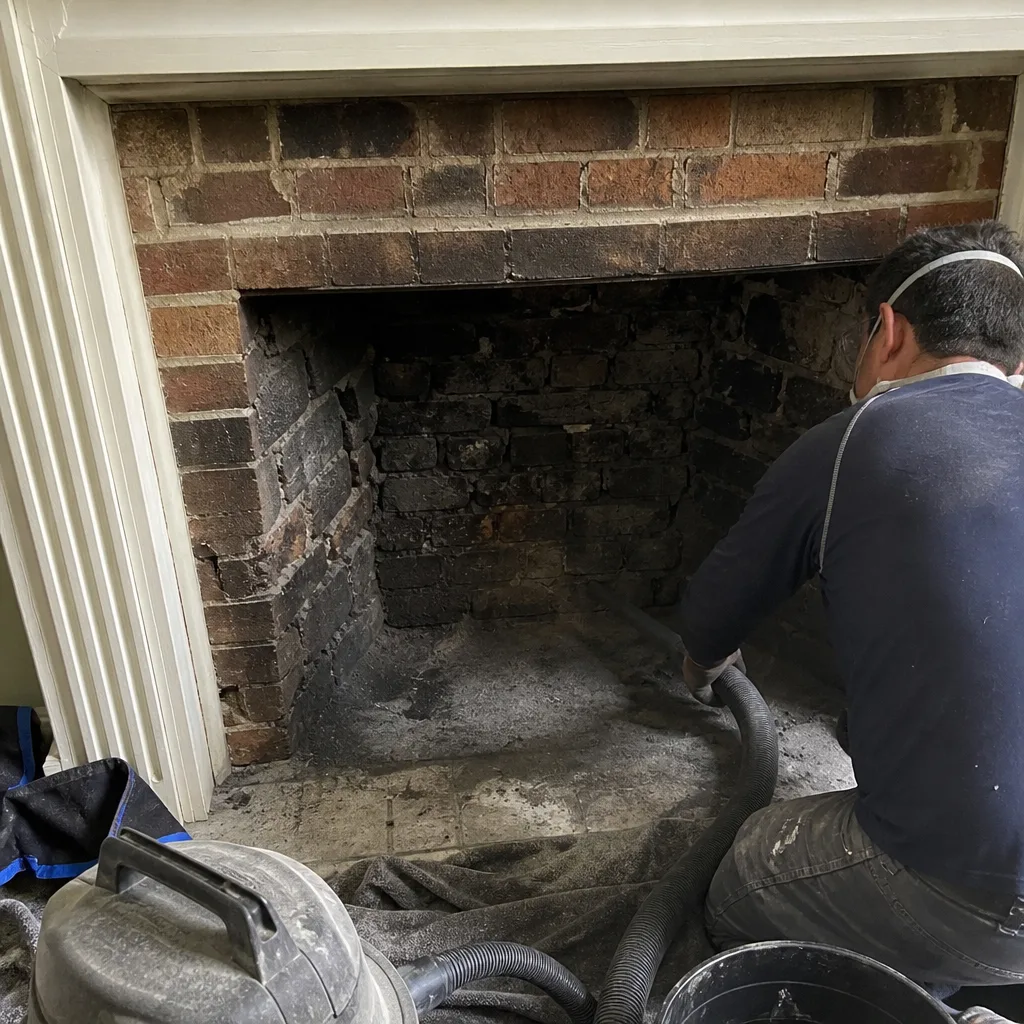 Before
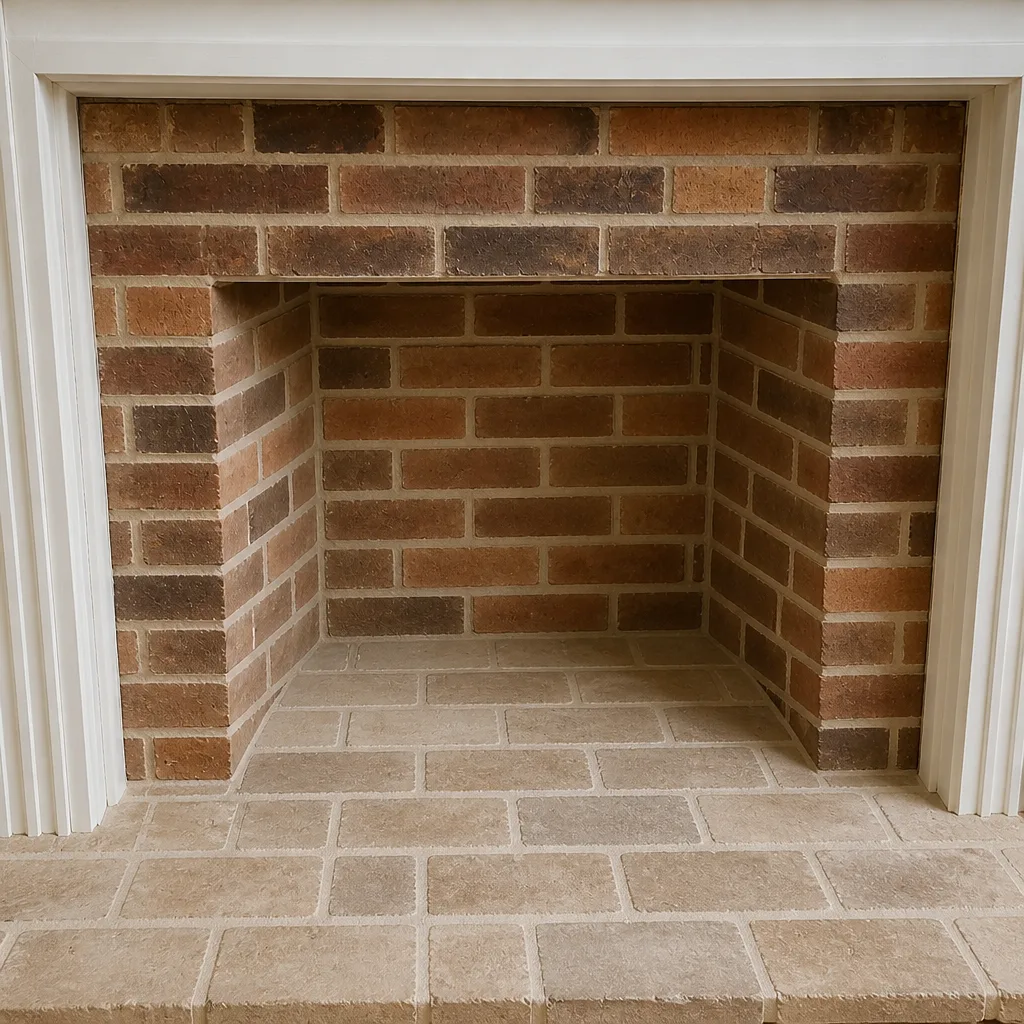 After
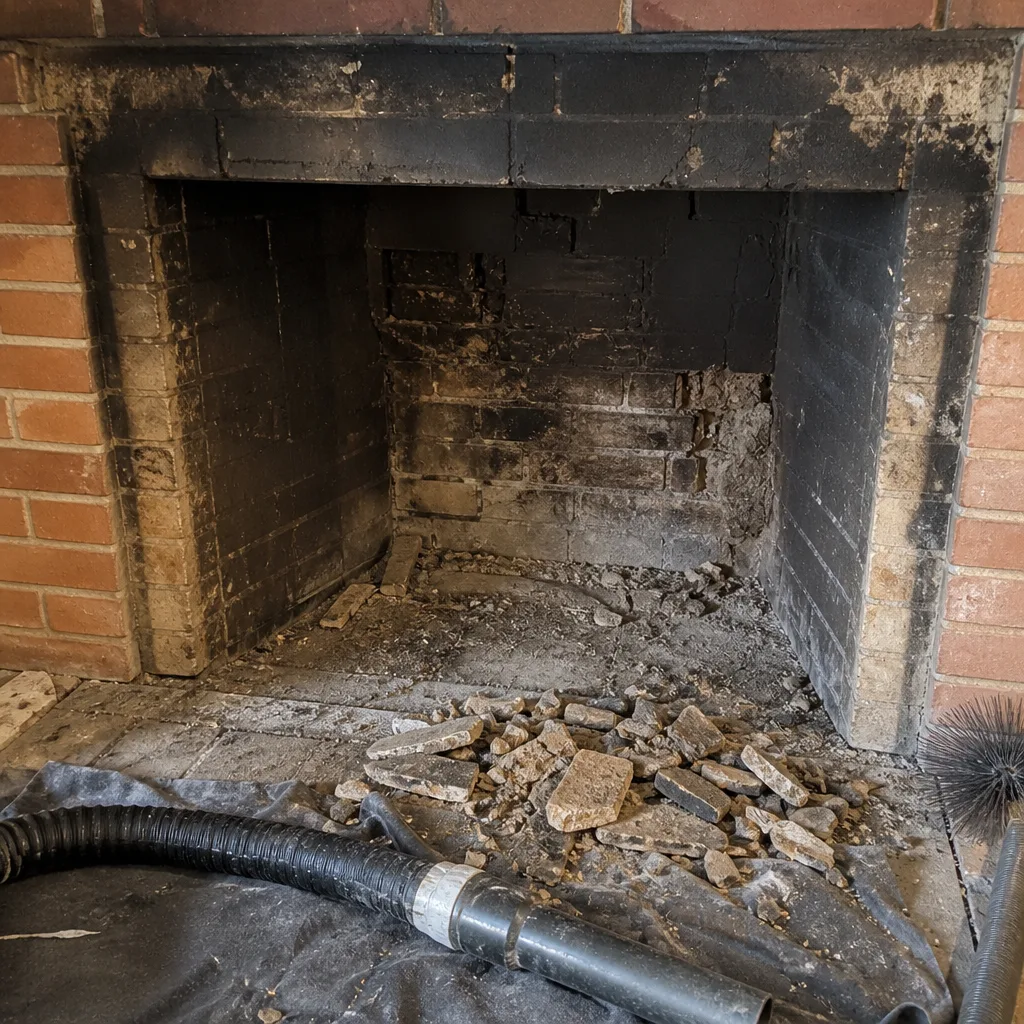 Before
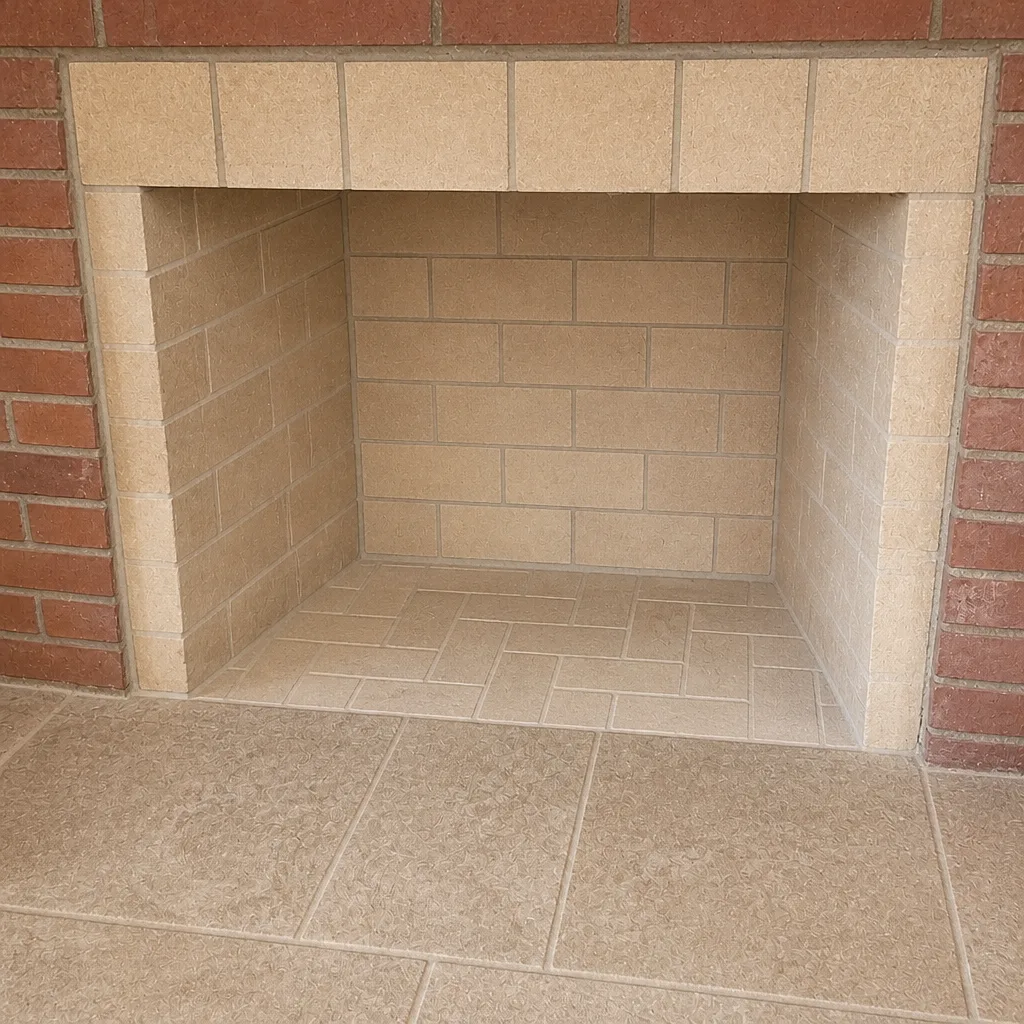 After
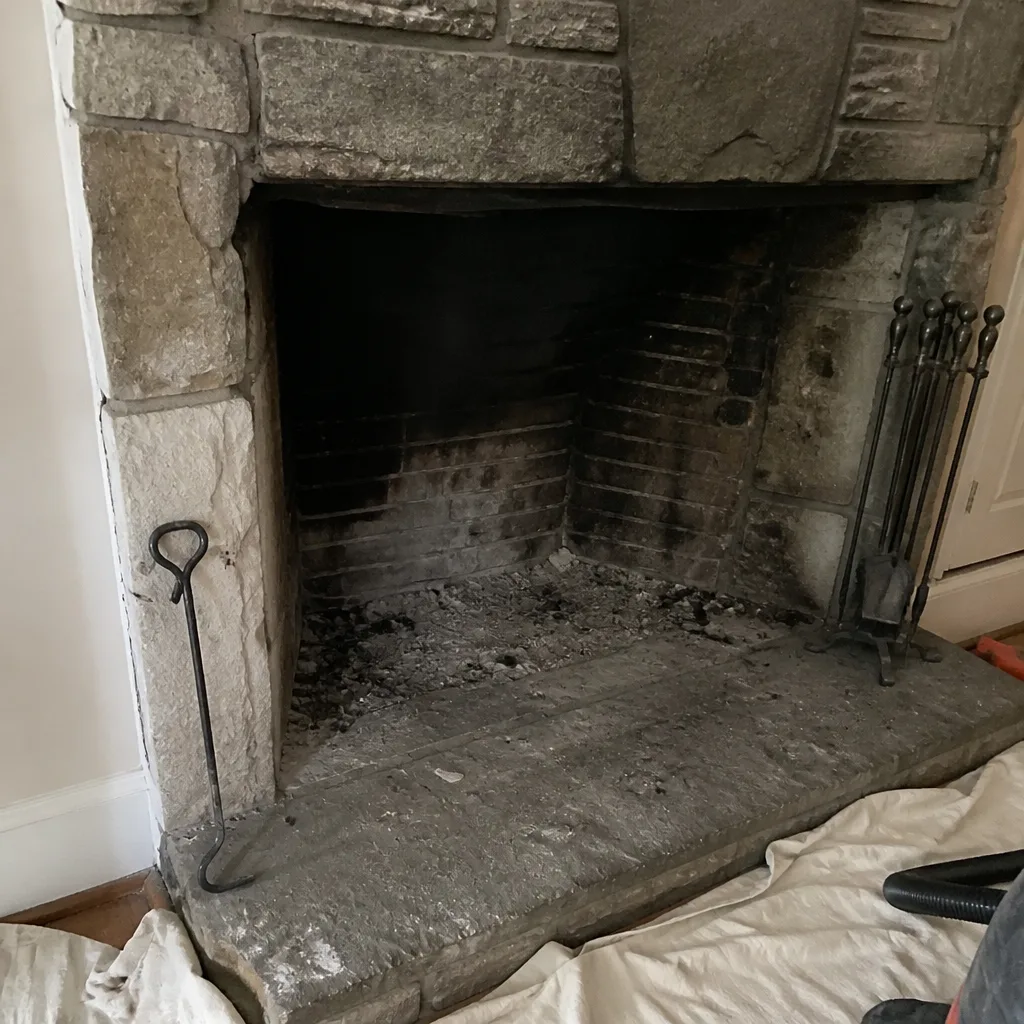 Before
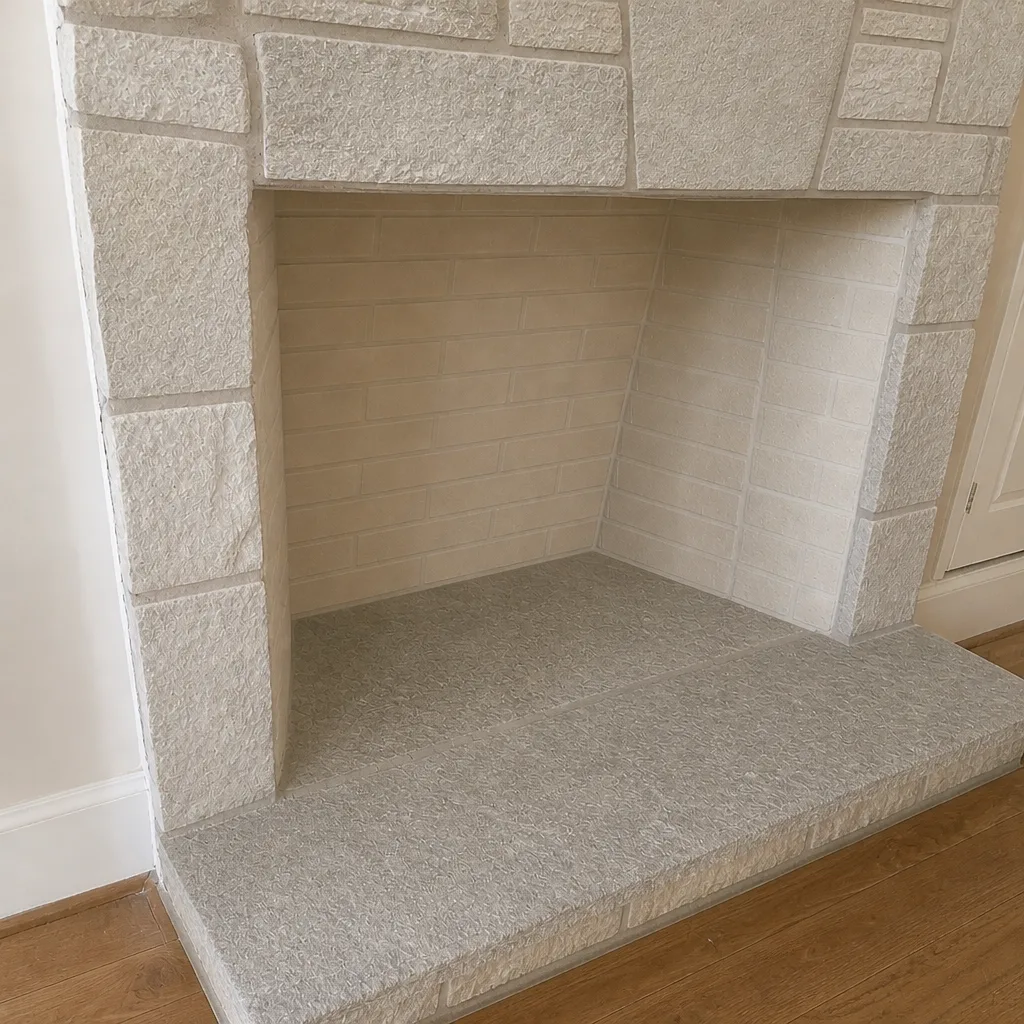 After
When to Call a Professional
Some chimney situations call for a certified professional rather than a do-it-yourself approach. If you smell a strong, sharp odor from the fireplace, see staining on the chimney exterior, notice crumbling mortar, hear a rattle from the cap, or see visible cracks in the firebox or smoke chamber, those are signals to stop using the fireplace and get an inspection. Similarly, if you’ve just bought an Arlington home with an unknown chimney history, if you’ve changed fuel types or appliances, or if it’s simply been more than a year since the last sweep, it’s time to book. And if you’re preparing to sell, an inspection before you list is cheaper than discovering a problem during a buyer’s inspection.
Sentry Chimney Sweep offers free estimates in Arlington – call (833) 309-7302 to schedule. We use Sentry Chimney Sweep quality materials – HeatShield, DuraFlex, and other professional-grade brands – and every inspection includes camera documentation you can keep.
Frequently Asked Questions
No. Routine chimney cleaning and creosote removal do not require a permit in Arlington. Permits apply to repairs and alterations – liner replacement, crown work, structural repairs, and similar changes to the chimney system. Call (833) 309-7302 if you’re unsure whether your project needs a permit – the estimate is free, and we’ll tell you.
You need a new liner when the existing liner – clay tile, metal, or otherwise – is cracked, deteriorated beyond repair, or improperly sized for the appliance. The honest way to know is a camera inspection. When we recommend a liner, the documentation is there for you to see, and we use DuraFlex liner systems because they’re designed to bring older chimneys up to current standards. Not every chimney needs a liner; when yours doesn’t, we’ll say so.
The general standard is once a year when the fireplace is in regular use, and more often if you burn heavily or use the fireplace as a primary heat source. Some Arlington homes only need a sweep every couple of seasons; others need one annually. An inspection determines which applies to yours. Call (833) 309-7302 for a free estimate on your first sweep.
Creosote builds up in stages, and at higher concentrations it can ignite. A chimney fire can damage the flue liner, which is the barrier between your fire and the structure of your house. Carbon monoxide is a separate risk if the flue is obstructed or deteriorated. Neither risk is a certainty, but the check exists because the consequences are serious. Call (833) 309-7302 to schedule a sweep and inspection.
The licensed contractor performing the work. Homeowners aren’t typically able to pull a chimney permit for structural or liner work on their own. If a contractor asks you to pull your own permit, that’s a reason to ask why. Our team handles the permit as part of the job – call (833) 309-7302 for a free estimate.
No. There is no Virginia law that requires a chimney inspection for a single-family home. But inspections are required by many real estate transactions, called for by insurance carriers, and recommended annually by NFPA 211. Skipping inspection is legal; skipping inspection when you don’t know the condition of your chimney is a risk. Call (833) 309-7302 to book a Level 1 or Level 2 inspection.
Get a Level 2 inspection and a written scope of the issue with documentation. That gives you the information to either negotiate the correction into the purchase or walk away. Unpermitted work that has to be redone is not a small item – the cost of a proper fix should be on the table before closing. Call (833) 309-7302 for a free estimate on the scope of the work.
The Bottom Line
Chimney cleaning is maintenance; chimney repairs are construction. In Arlington, that distinction matters because it’s the difference between a routine sweep with no permit required and a structural repair that needs to be permitted, inspected, and documented. Virginia’s Uniform Statewide Building Code sets the standard, Arlington County enforces it, and NFPA 211 is the technical reference everyone uses to judge whether the work was done right. The protections that follow – insurance coverage, sale disclosure, and peace of mind – all depend on that paperwork trail. Whether you need a sweep, an inspection, or coordinated chimney repair, getting it documented is the difference between a system that will hold up and one that has to be corrected later.
If you’re not sure where to start, an inspection is always the right first step. It reveals what’s actually there – not what a prior contractor said was there – and it gives you the information to make an informed decision. We serve homeowners across Arlington and the surrounding neighborhoods, and we’re glad to walk through what your chimney needs.
Call (833) 309-7302 for a free estimate. We answer 24/7. Fast dispatch from 7am to 7pm, Sunday through Friday.
Written by the team at Sentry Chimney Sweep.