
Last updated November 15, 2026
 Sweep & inspection
 Caps & crowns
 Flue relining
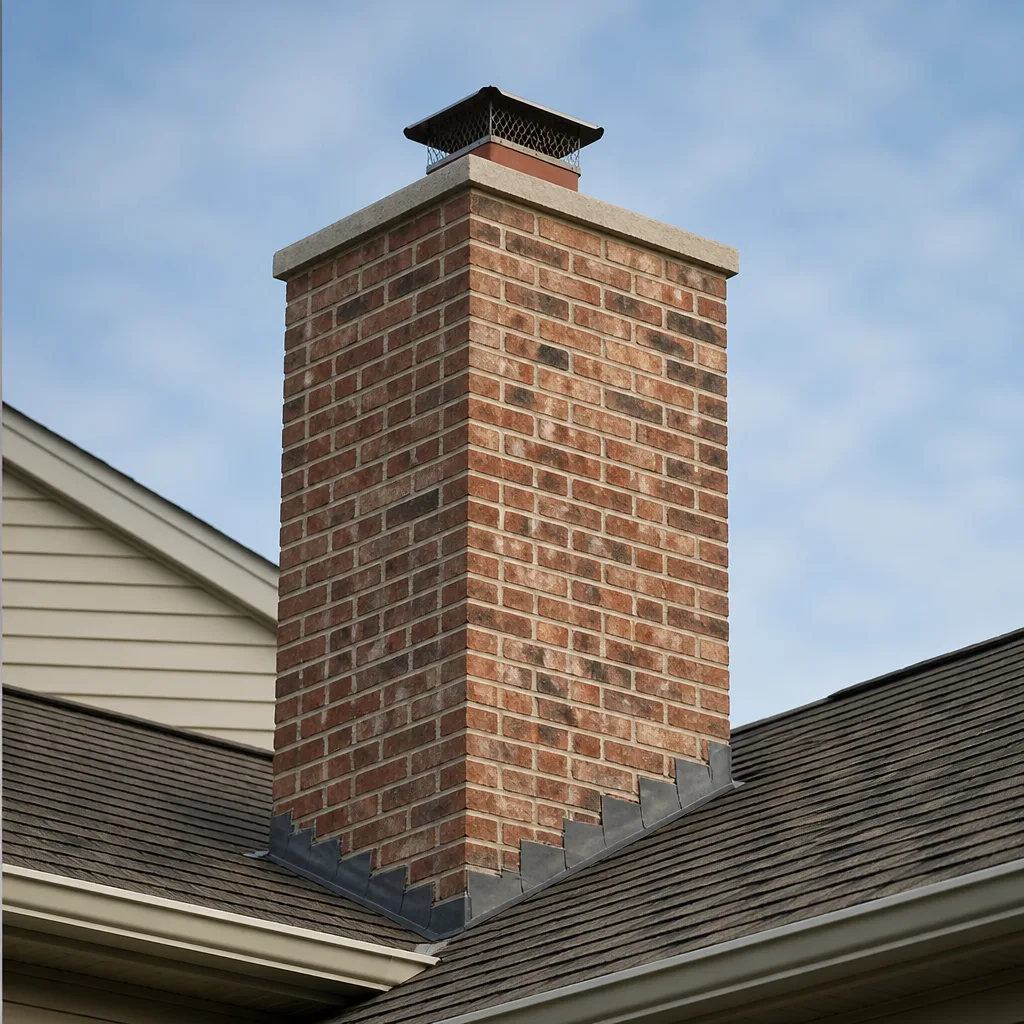 Masonry repair
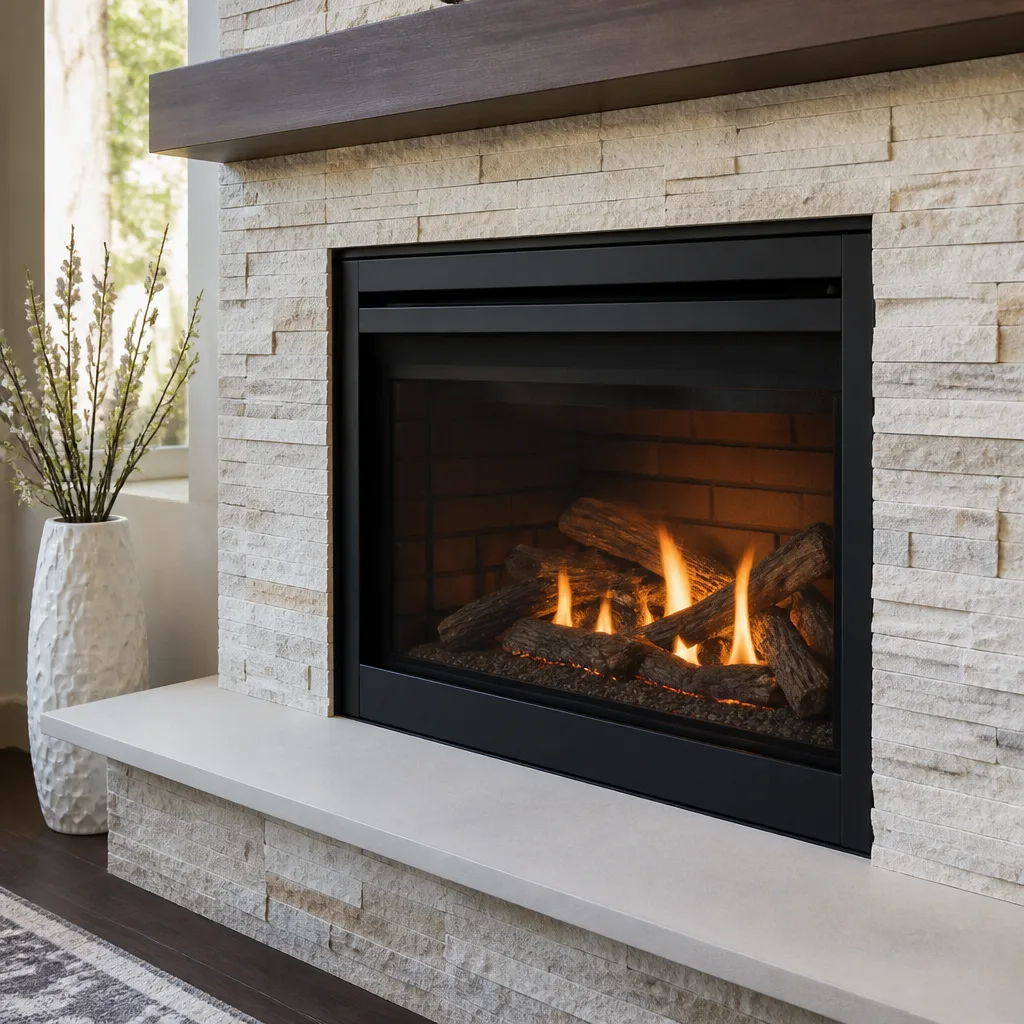 Gas fireplace service
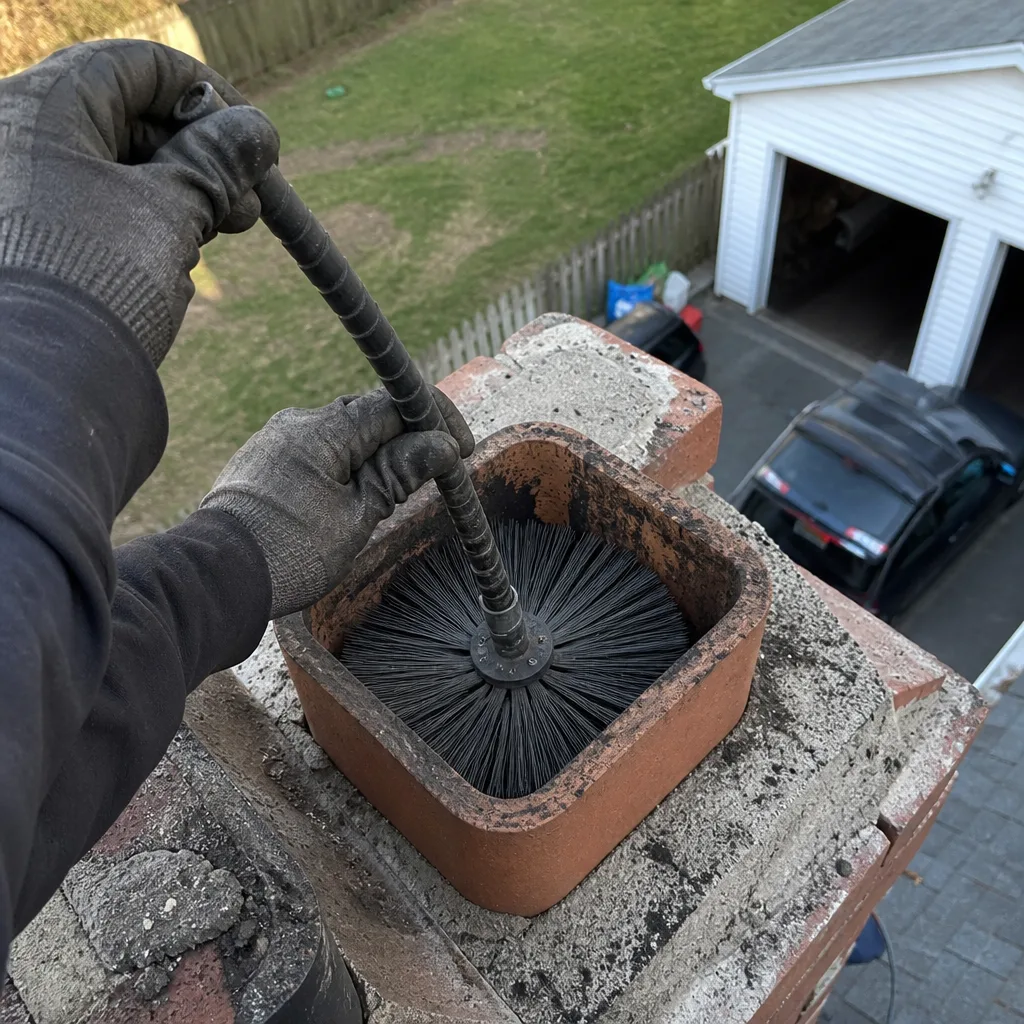
Level 1 sweep and inspection to the NFPA 211 annual standard - flue, crown, cap, and flashing checked and photographed
Chimney sweep logs do not sweep chimneys. They loosen some creosote - which then falls where a brush and vacuum still have to collect it.
Chimney Sweep Maintenance Schedule: What to Do and When
A single annual sweep is not a maintenance schedule. It’s the floor. The National Fire Protection Association recommends that every chimney be inspected once a year, but that baseline was written with the occasional fireplace user in mind. If you burned more than two cords of wood last winter, or your home has an older masonry chimney that has seen a few decades of Arlington weather, you’re already operating well outside what that standard assumes. What you actually need is a calendar: specific tasks tied to specific seasons, so problems get caught in spring instead of discovered in January. This guide lays out that calendar month by month, and shows you which jobs you can safely handle and which ones belong to a professional.
Quick Answer
A well-run chimney maintenance schedule has four phases: a post-season inspection in spring, structural repairs and waterproofing in summer, a pre-season sweep and inspection in fall, and simple visual checks between burns through winter. Sweep based on how much you burn, not just once a year on autopilot: light users should sweep annually, regular wood burners roughly every cord, and anyone using a fireplace or wood stove as a primary heat source should schedule two cleanings a season. In Arlington, the November-to-March freeze-thaw cycle makes the spring masonry inspection the single most important item on the list.
Styles & brands we work with
- Sweep & inspection
- Caps & crowns
- Flue relining
- Masonry repair
- Gas fireplace service
Table of Contents
- Why an Annual Sweep Is a Minimum, Not a Schedule
- How Often Should You Actually Sweep? Burn Frequency Thresholds
- Spring: The Post-Season Inspection
- Summer: Repairs, Waterproofing, and Cap Replacement
- Fall: The Pre-Season Sweep and Level II Inspection
- Mid-Winter: Visual Checks Between Burns
- What You Can Do Yourself vs. What Needs a Professional
- Why Arlington’s Freeze-Thaw Cycle Changes the Rules
- Keeping a Chimney Maintenance Log (And Why It Protects You)
Why an Annual Sweep Is a Minimum, Not a Schedule
The “get it swept once a year” advice has been repeated so often that most homeowners treat it as the whole plan. It isn’t. The annual recommendation exists to establish a floor: no chimney should go more than a year without someone qualified looking at it. But a sweep is a cleaning, and an annual recommendation can’t account for how hard your particular chimney works, what it burns, or how the surrounding masonry handles freeze-thaw cycles. Those variables determine what actually happens inside your flue.
Creosote builds at a rate tied to a handful of things: the volume of wood you burn, how dry it is, and whether your appliance runs hot enough to burn clean. A homeowner who lights a fire a few times a month produces far less than someone who heats with wood through the cold months. Both are told to schedule “annual” service. Only one of them is getting the right advice.
There’s a second reason to think beyond the annual sweep. Chimneys fail in ways cleaning doesn’t reveal. Cracked crowns let water in. Mortar joints soften. A liner develops a gap at a seam. None of those show up in a basic sweeping. They show up in an inspection, which is why we treat sweeping, chimney repair, and inspection as three distinct services that answer three different questions rather than one checkbox on a to-do list.
What a real schedule looks like
Think of chimney care as four seasons of work. Spring is diagnosis. Summer is repair. Fall is preparation. Winter is observation. Each phase catches problems the others can’t, and together they form a loop you repeat every year. Skip one and the others get less effective: a summer repair without a spring inspection is guesswork, and a fall sweep without the summer moisture work means you’re cleaning a flue that’s still slowly deteriorating around you.
For homeowners across Arlington, the annual rhythm starts the moment the last fire of the season burns out. We’ll walk through each phase below, then cover the practical questions: burn thresholds, what you can do yourself, and how to document all of it. Our technicians have up to 11 years of experience, and the patterns in this guide show up across nearly every type of Arlington home, from older masonry fireplaces to modern stoves with insulated liners.
How Often Should You Actually Sweep? Burn Frequency Thresholds
Base your sweeping frequency on how much you burn, not on the calendar. The thresholds below give most homeowners a sensible starting point. They’re guidelines, not code, and the right answer for your home comes from an inspection that looks at your actual creosote buildup and flue condition.
Light use: decorative burning, a few fires a month
If the fireplace is mostly atmosphere – a handful of fires a month, all with well-seasoned wood – an annual sweep is appropriate. You’re well inside the audience the annual standard was written for. Schedule the sweep in fall, before the season starts, so you begin each burn year with a clean flue. A single annual inspection still applies on top of the cleaning.
Regular use: one to two cords per season
This is where the annual standard starts to bend. Once you’re burning into the multiple-cord range, creosote accumulates faster than a once-a-year cleaning assumes. Many professionals suggest sweeping once for every cord of wood, so a two-cord household is realistically looking at two cleanings per season. Split them: one before the season and one mid-winter or at the end, depending on how the buildup looks. An inspection in spring tells you whether that second sweep is warranted or whether you can stretch it.
Primary heat source: three or more cords, or a wood stove running daily
When the stove or fireplace is doing real heating work, once a year is not enough. Daily burning generates creosote faster than any occasional user, and glazed, tar-like creosote is the kind that ignites. Two sweeps a season is the common recommendation, with a professional inspection of the flue and liner each year. If your appliance runs hot and clean with dry wood, you may get away with less; if it runs cool and smolders, you won’t. This is exactly the group the standard’s authors had in mind when they called annual inspection a baseline. Our chimney sweep service assesses buildup directly and recommends a frequency based on what’s actually in your flue.
What about pellet stoves and gas fireplaces?
Different fuel, different schedule. Gas fireplaces need annual inspection and cleaning of the logs, burners, and venting, even though there’s no creosote. Pellet stoves produce ash and require regular cleaning per the manufacturer’s instructions, with an annual professional service. Don’t assume a clean-burning appliance means a maintenance-free one.
A quick reference
- Few fires a month: one sweep annually, in fall, plus an annual inspection.
- One to two cords a season: sweep roughly once per cord; two cleanings is typical.
- Primary heat, three or more cords, or daily stove use: two sweeps a season plus an annual inspection.
- Gas or pellet: annual professional service; follow the appliance manual between visits.
Spring: The Post-Season Inspection
Spring is when you learn what winter did to your chimney. Book the inspection as soon as the burning season ends and before you close the damper for the year. The logic is simple: by spring, the chimney has just been through its hardest working months, and any damage from the cold cycle is fresh and visible. Waiting until fall means those problems sit unattended through the wettest part of the year, when water finds every new crack and makes each one worse.
What a spring inspection covers
A proper spring assessment looks at more than soot. A professional evaluation reviews the flue interior for creosote condition and liner integrity, the firebox and damper for wear, the crown and flashing for cracks and gaps, the exterior masonry for loose mortar and spalling brick, and the cap and spark screen for damage. Where the situation calls for it, a camera inspection lets you see the inside of the flue on a screen rather than take anyone’s word for it.
Spring is also the right moment to look at creosote buildup with fresh eyes. If winter left heavy or glazed deposits, you know you need to burn hotter and drier next season, and possibly adjust how often you sweep. An end-of-season sweep here doubles as a baseline: it clears out the winter’s accumulation while the diagnosis is happening, and it means the flue sits clean through the humid months rather than holding corrosive residue against the liner all summer.
Why spring inspection matters in Arlington
Arlington winters swing repeatedly across the freezing line. Water gets into a hairline crack, freezes, expands, and opens the crack further. That cycle repeats through November, December, January, February, and March. By April, a small crack in autumn can be a structural problem, and a soft mortar joint can be crumbling. Spring inspection catches these while they’re still small. Caught in April, a crown repair is a modest job; left until the following fall, it can mean water damage inside the chimney chase and a much larger reconstruction. The spring visit is the cheapest insurance on the whole calendar.
Summer: Repairs, Waterproofing, and Cap Replacement
Summer is repair season, and it’s the best window for it. Warm, dry weather lets sealants, mortars, and resurfacing materials cure properly, which means the work lasts. You also get the repair done long before you need the chimney again, so there’s no scramble in October and no compromise on material quality because time ran short.
The summer task list
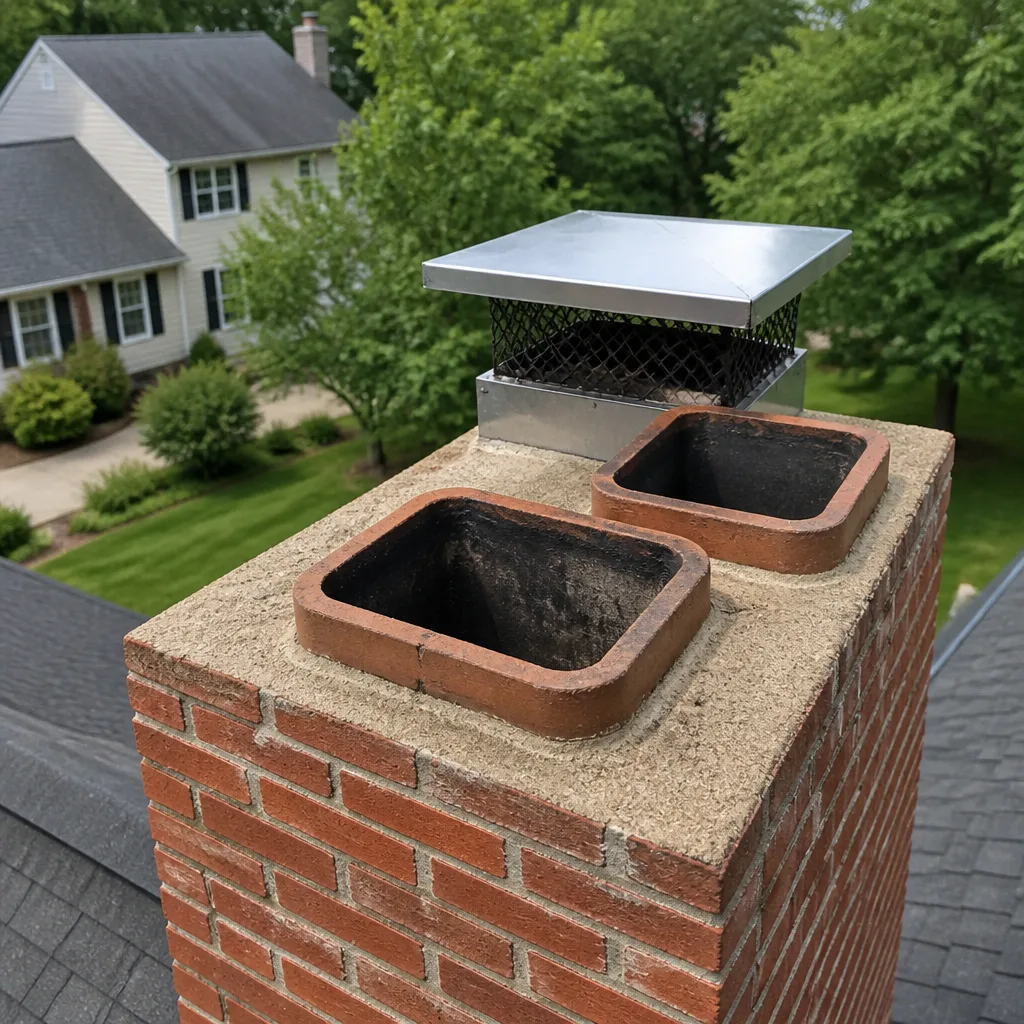
- Address crown damage. The crown is the concrete cap at the top that sheds water away from the masonry. Cracks or a crumbling crown let water straight into the structure. Repair or rebuild it in dry weather so the new material cures at its best.
- Repair mortar joints and spalling brick. Repointing soft or missing mortar restores the chimney’s structural integrity. Replace brick that has flaked or crumbled from water damage.
- Waterproof the masonry. A breathable masonry water repellent keeps liquid water out while allowing moisture vapor to escape. This is the single most effective step against freeze-thaw damage, and it should go on after any masonry repairs have cured, not before.
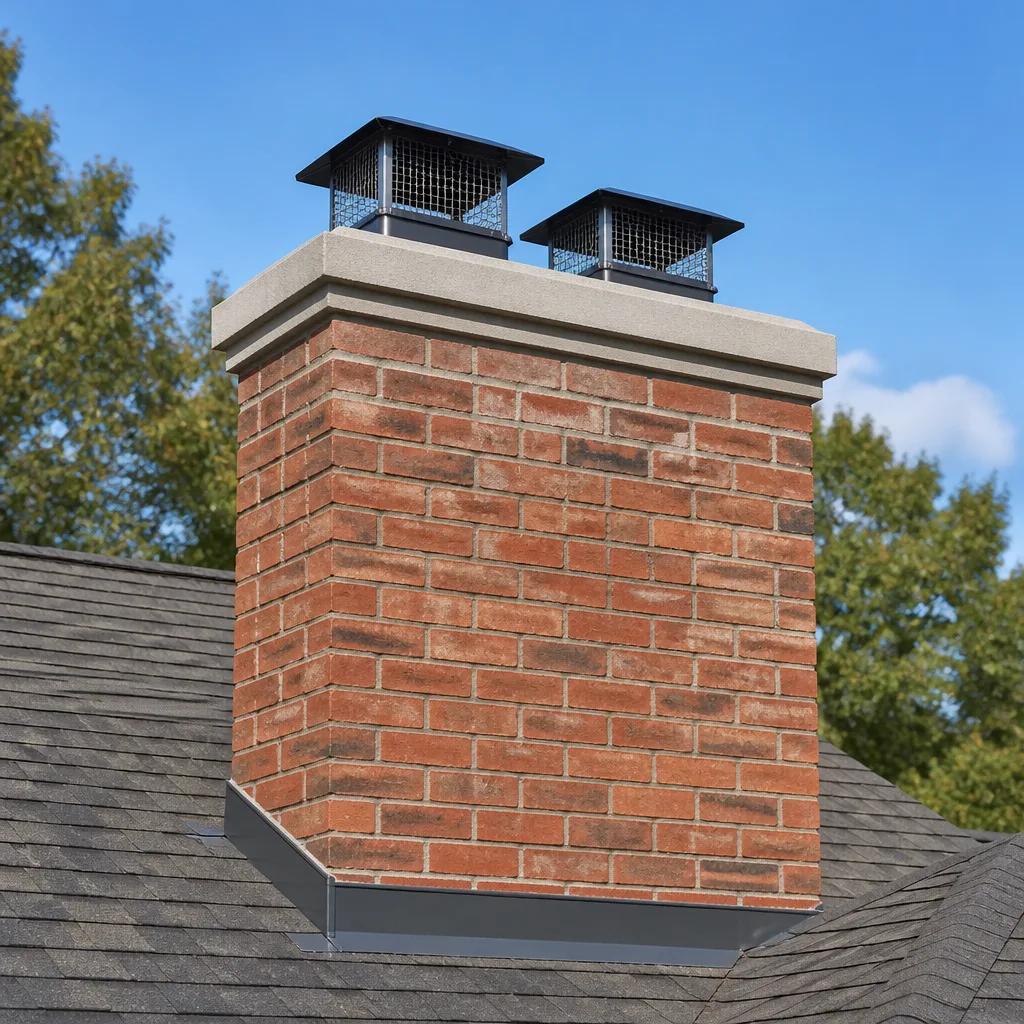
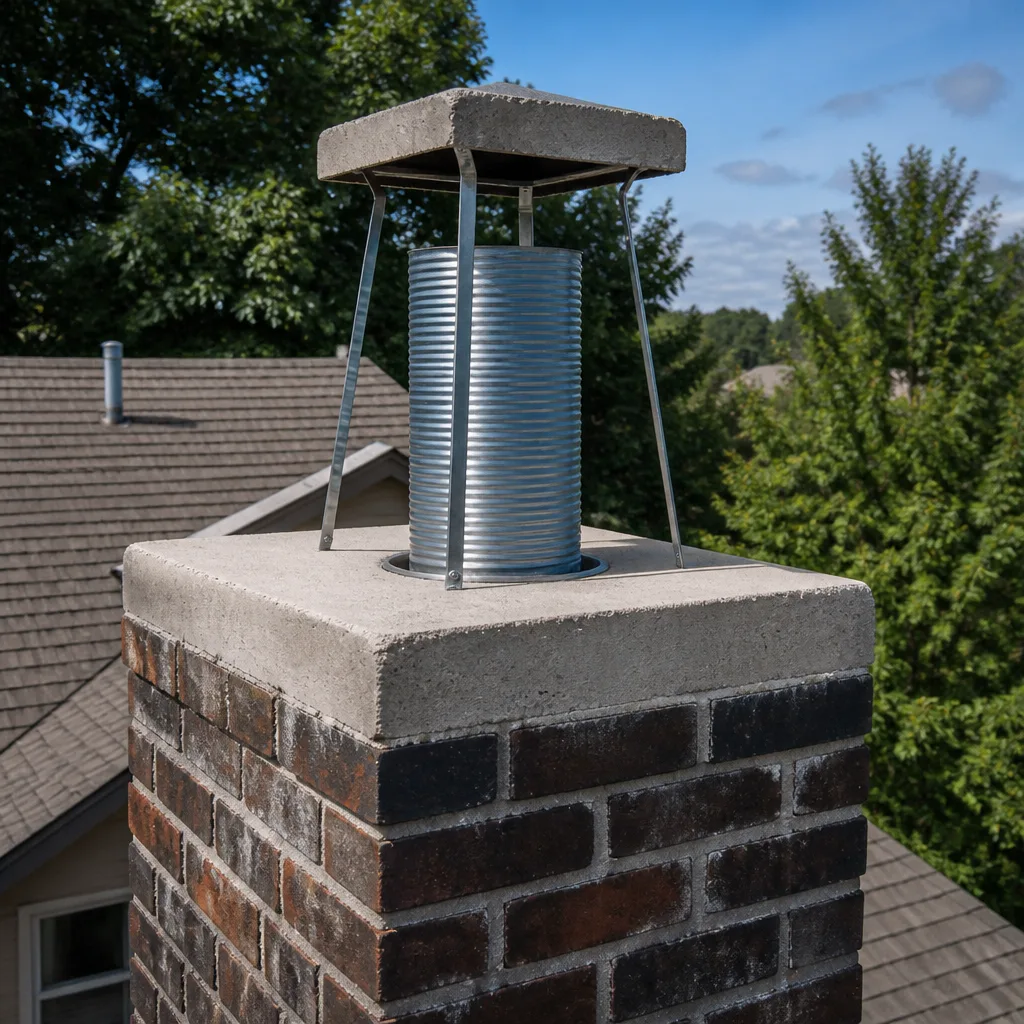
- Replace or repair the cap and spark screen. The cap keeps rain, animals, and debris out of the flue. A damaged cap or torn screen is an open door.
- Reline where needed. If the spring inspection found a compromised liner, summer is when it gets replaced. We install DuraFlex liner systems and use the HeatShield resurfacing system for restoring flues rather than patching them, so the repair brings the chimney back to proper condition instead of buying a couple of years.
Resurfacing vs. relining
These two repairs solve different problems, and choosing correctly matters. HeatShield is a resurfacing system: it restores a masonry flue that’s rough, cracked, or pitted by applying a new smooth, durable interior surface. DuraFlex liners are installed inside an existing flue to create a continuous, insulated stainless passage. Which one fits depends on the chimney’s construction and condition, and the spring inspection is what decides. Both are proper repairs; neither is a stopgap. Getting the right one in summer means the chimney performs for years rather than failing again by the next cold snap.
Keep up with the brand behind the repair
Professional-grade materials are worth insisting on, because a chimney repair lives in some of the hardest conditions in the house: heat on one side, weather on the other, freeze-thaw cycles all winter. We work exclusively with recognized industry brands – including Gelco, Olympia Chimney, Famco, and Copperfield alongside HeatShield and DuraFlex – the same materials specified by certified chimney professionals nationwide. When you’re choosing anyone for masonry or liner work in Arlington, ask what they’ll install before you book.
Fall: The Pre-Season Sweep and Level II Inspection
Fall is preparation. Before the first fire of the season, the chimney gets swept, and if anything has changed since the last inspection, it gets a Level II inspection as well. The pre-season sweep clears out anything that accumulated over summer – dust, debris, a bird’s nest, or the residue left from spring cleaning – so you start the season clean. The inspection confirms the summer repairs did their job and nothing else has shifted.
When fall calls for a Level II inspection
A standard annual check is a Level I inspection. A Level II inspection goes deeper and is warranted when:
- You’ve had a chimney fire, even a small one you put out yourself.
- You’ve changed the appliance, fuel type, or liner since the last inspection.
- You’ve had an earthquake, a major storm, or visible damage to the chimney or home.
- You’re buying or selling the home.
- There’s been a long gap since the last inspection.
A Level II inspection typically includes a camera look at the flue interior and a more thorough assessment of accessible parts of the system. If you burned heavily last winter or the spring visit flagged anything, fall is when the deeper look happens.
Book the fall sweep early
Fall is the busiest window for every chimney professional, and the good ones fill up before the first freeze. That’s the practical reason to call in late summer or early fall rather than the week you want to light the first fire. Getting the sweep and inspection done in September or October means you’re ready for the season, not waiting in a queue while the weather turns. It also gives you time to schedule any repair the inspection turns up before you need the chimney, rather than trying to squeeze it in mid-winter.
Test your smoke and carbon monoxide alarms
Fall is the natural time to test every smoke and carbon monoxide alarm in the home and replace the batteries. A chimney and its alarms are a matched safety system: the alarm is only useful if it works, and the chimney is only safe if it’s clear. Do this the same week as the sweep, and note it in your maintenance log.
Mid-Winter: Visual Checks Between Burns
Winter is observation, not repair. You’re not doing anything invasive; you’re watching for changes that warrant a call. Between fires, take a few minutes to check the system from the room side. It’s quick, it costs nothing, and it catches problems early.
Your between-burns checklist
- Look at the firebox and damper. Check for cracks in the firebox brick, loose pieces, and a damper that opens and closes fully and seals.
- Watch the smoke. A fire that smokes into the room instead of drawing up the flue is a warning sign. Stop using the fireplace and call.
- Check the cap and exterior from the ground. With binoculars from the yard, look for a loose or missing cap, cracked crown, or displaced brick, especially after a storm.
- Listen and smell. A strong creosote odor on warm days, or unfamiliar noises from the flue, are worth investigating.
- Watch the burn quality. If you’re burning dry wood but seeing heavy smoke, slow ignition, or rapid creosote buildup, the appliance may be running too cool. Adjust your burning habits and note it for the next sweep.
What to do if you have a chimney fire
Get everyone out of the house and call 911 first. A chimney fire can sound like a low roar or a series of pops, and it can spread into the structure even when it looks contained. Don’t use the fireplace again until a professional has inspected it. A fire, even a small one that seems to burn itself out, is a reason for a Level II inspection before the next burn. If you smell a sharp, acrid odor or your carbon monoxide alarm sounds, leave the home and call from outside.
Mid-winter sweeping
If you burn heavily, a mid-winter sweep is often part of the plan rather than an emergency. Build it into the calendar if you fit the primary-heat profile above: one sweep before the season and one around mid-winter keeps creosote from reaching dangerous levels during the period of heaviest use. You don’t need to wait for a warning sign to schedule it.
What You Can Do Yourself vs. What Needs a Professional
Some chimney maintenance is genuinely safe for a homeowner to handle. Some of it isn’t, and pushing past that line is how people get hurt. The dividing line isn’t about effort or skill; it’s about tools, height, and the hidden condition inside a flue that only an inspection reveals.
Safe for you to do
- Damper checks. Open and close it, make sure it seals, and clear any debris that’s blocking the plate.
- Firebox visual checks. Look for cracks, loose brick, and gaps in the firebox. Note anything that looks different.
- Ash removal. Clear ash from the firebox and ash pit, and dispose of it safely in a metal container away from the house.
- Cap and exterior visual checks. From the ground, with binoculars, watch for damage to the crown, cap, and masonry.
- Alarm testing. Test your smoke and carbon monoxide alarms and replace the batteries.
Requires a professional
- Sweeping. A proper sweep uses the right brushes and rods, protects the home from soot, and confirms the creosote condition. Doing it from the roof is where homeowners get hurt.
- Liner and flue work. Relining, resurfacing, and inspecting the flue interior require training and equipment.
- Masonry repair. Crown, mortar, and brick repairs need the right techniques and materials to last through a freeze-thaw cycle.
- Roof-level work. Any job that puts you on the roof or a ladder above the roofline belongs to someone who does it safely.
- Anything that involves the firebox interior or the flue beyond a visual look. A camera inspection and formal assessment tell you what a visual check can’t.
The safety line
Two parts of chimney work carry real risk: climbing and working at height, and opening up a flue or firebox where unseen damage or hazardous buildup may be present. Roof work on a wet or icy day is dangerous even for experienced tradespeople; don’t do it. And any repair that involves liner, firebox, or flue work should follow an inspection that shows what’s actually there. We’ve seen enough to be firm about this: the tasks above are the ones you can take on, and the rest are worth the call.
Why Arlington’s Freeze-Thaw Cycle Changes the Rules
From roughly November through March, Arlington’s temperatures swing repeatedly above and below freezing. That pattern is harder on masonry than a steady deep freeze. Water gets into the smallest crack in a brick or mortar joint, freezes overnight, expands, and pushes the crack open. During the day it thaws and drains deeper. Overnight it freezes again. Repeat that dozens of times between November and March and a hairline crack becomes a spalling brick.
Why this makes spring inspection non-negotiable
Every winter does damage; the question is how much and where. Spring is the only point in the calendar when you can see the winter’s damage and still have time to fix it before the next season. An inspection in April reveals cracks, spalling, and soft mortar while they’re small. Repairs done in the dry summer weather then cure properly and are ready for fall. Skip the spring check and the damage simply grows all summer and meets the next winter worse than before. That’s why, for Arlington homes, the spring masonry inspection isn’t optional. It’s the hinge on which the whole calendar turns.
What protects masonry between winters
Three things work together. First, keep water out: a sound crown and flashing, a good cap, and breathable masonry waterproofing. Second, don’t let cracks go unaddressed. Third, have the masonry inspected every spring so the first hairline is caught early. A house that gets each of those each year holds its chimney far better than one that only ever gets a fall sweep. The climate is the reason the schedule has to include masonry work and not just the inside of the flue.
Spring also reveals what winter did to the firebox
The temperature swings don’t only hit the exterior. A firebox goes through its own cycle of heating and cooling with every fire, and a firebox that took heavy use all winter may have developed cracks by spring. That’s part of what the post-season inspection looks at, and it’s another reason the spring visit exists on its own rather than folding into the fall routine. Catching a firebox crack in spring means it gets fixed before fall, with no scrambling for a repair when you’d rather be planning the season. When we handle a Sentry Chimney Sweep inspection, the whole system gets checked: flue, firebox, crown, flashing, and cap, so nothing in that list waits for the year it becomes a problem.
Keeping a Chimney Maintenance Log (And Why It Protects You)
Write down every chimney service: date, what was done, what was found, and anything recommended for next time. A short paper or digital log keeps the year’s schedule straight and does something more important: it documents the condition of your chimney for anyone who needs proof it was maintained. If a chimney fire ever occurs, or you have to file an insurance claim, a dated record of inspections and repairs is the difference between “we have no idea how this was maintained” and a clear history.
What to record
- Date and type of service. Sweep, inspection level, repair, or waterproofing.
- What was found. Creosote condition, liner condition, masonry condition, anything flagged.
- What was done. The work completed and the materials installed.
- What’s recommended. Any follow-up for the next season.
- Photos and reports. Keep the inspection report and any photos with the log.
- Alarm tests. Date you tested smoke and carbon monoxide alarms.
Why it matters for insurance
Most homeowner policies expect reasonable maintenance of the home’s heating and fire systems. After a chimney fire, an insurer will ask how the chimney was maintained. A dated record with inspection reports answers that question directly. Beyond insurance, the log changes how you use the chimney: you stop guessing whether the fall sweep actually happened this year, and you keep a running picture of your chimney’s condition from season to season. Our inspection service delivers a formal written assessment and photo report you can add straight to the log, so the record builds itself as you go.
Keep the report you’re given
Don’t just keep notes you take yourself. Keep the documents the professional provides: the inspection report, photos of the flue interior, and the record of any repair. That’s the material an insurer, a buyer, or a future technician will find useful. A log built from your own notes plus the professional reports is far stronger than either alone.
Common Mistakes to Avoid
- Treating the annual sweep as the whole plan. It’s a minimum for light use and not enough for anyone burning regularly or heating with wood. Let your burn volume set the frequency, not the calendar.
- Skipping the spring inspection and just doing a fall sweep. A fall sweep cleans the flue, but it doesn’t catch the masonry damage the Arlington freeze-thaw cycle opened up over winter. Do both.
- Burning unseasoned or wet wood. Damp wood burns cool and produces far more creosote than dry wood does. Season your wood properly; it’s one of the highest-leverage changes a wood burner can make.
- Waiting for a problem to schedule service. Chimney problems are quiet until they aren’t. A proactive calendar finds the crack in April instead of discovering it as smoke in the room in January.
- Letting a DIY enthusiast sweep from the roof. Roof work above the roofline is where homeowners get seriously hurt. Sweeping, liner work, and any height work belong to a professional.
- Skipping the summer waterproofing. Repairs that don’t get a breathable water repellent afterward face the same freeze-thaw damage next winter. Waterproofing is what makes the repair last.
- Not keeping a log. When something goes wrong or you file a claim, a dated record of maintenance matters. Start the log the first year and add to it every season.
See the difference
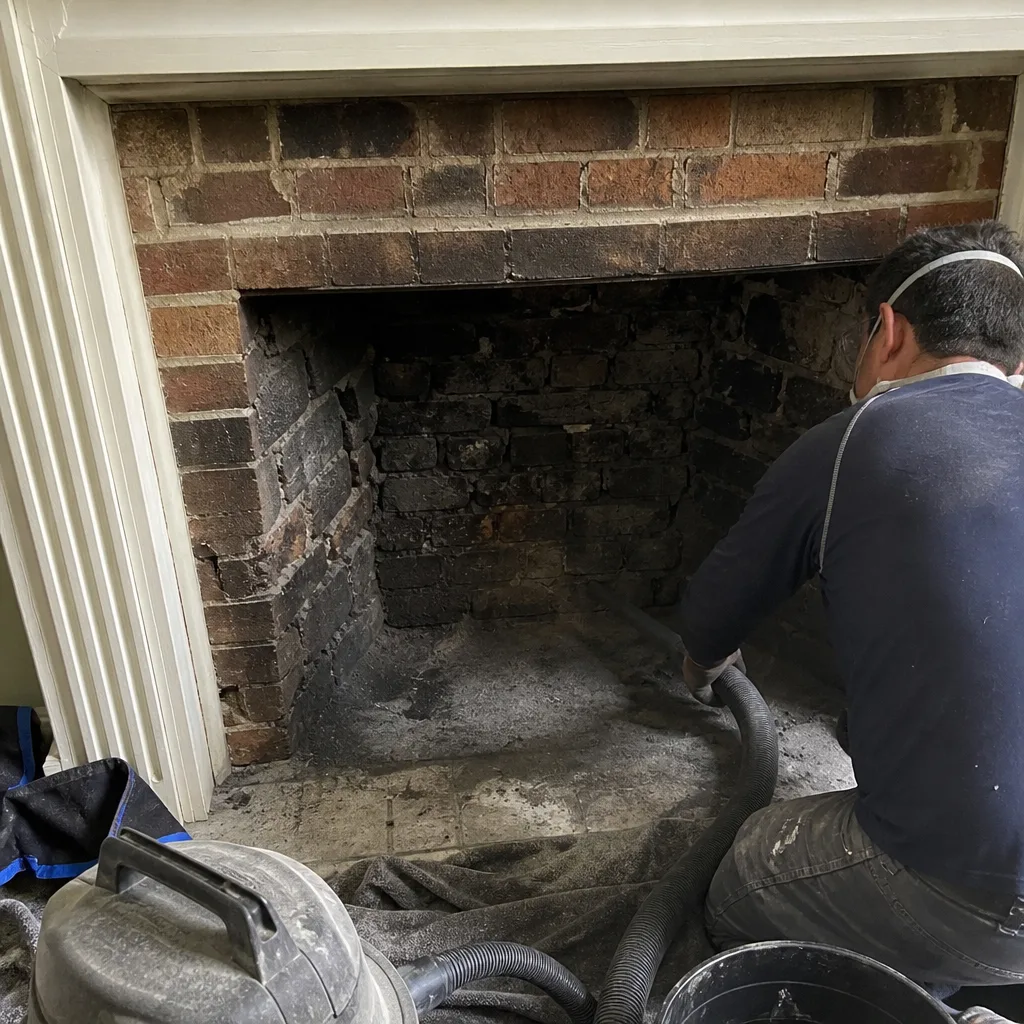 Before
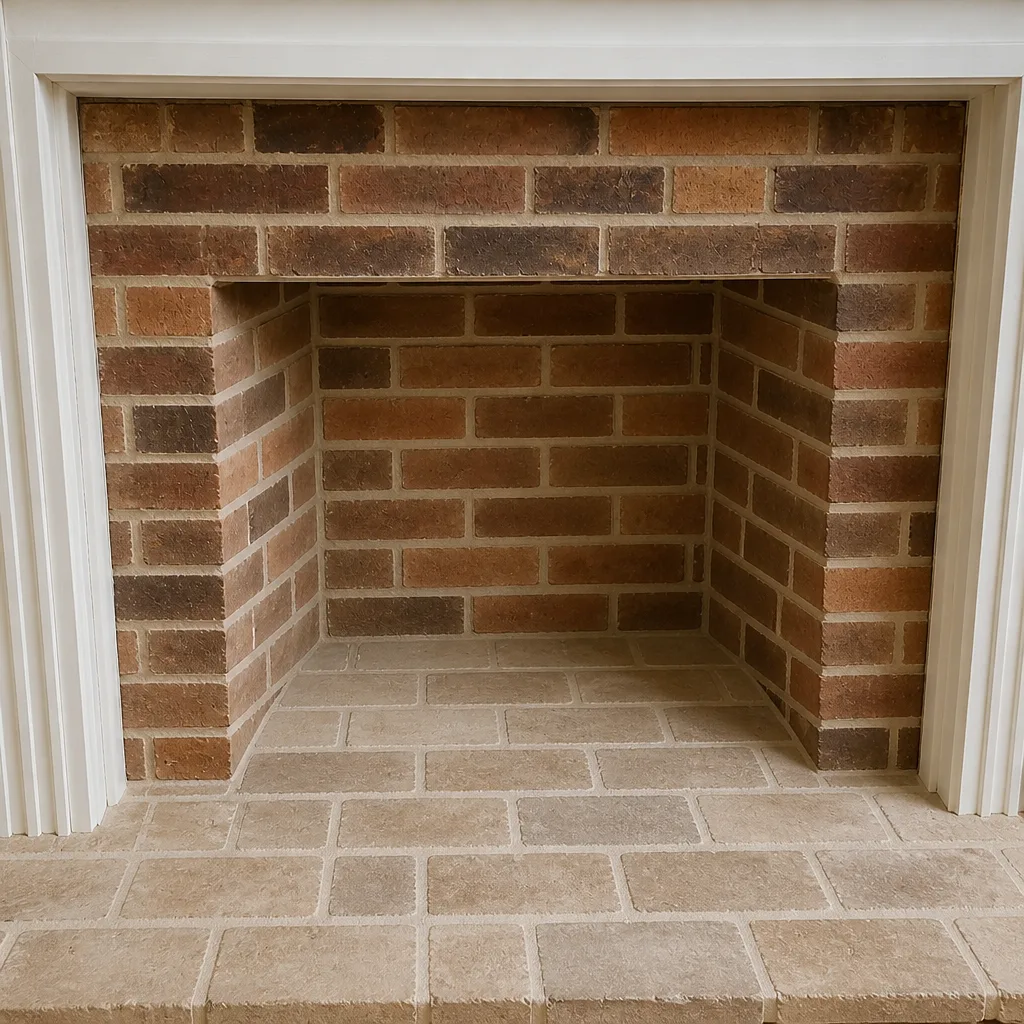 After
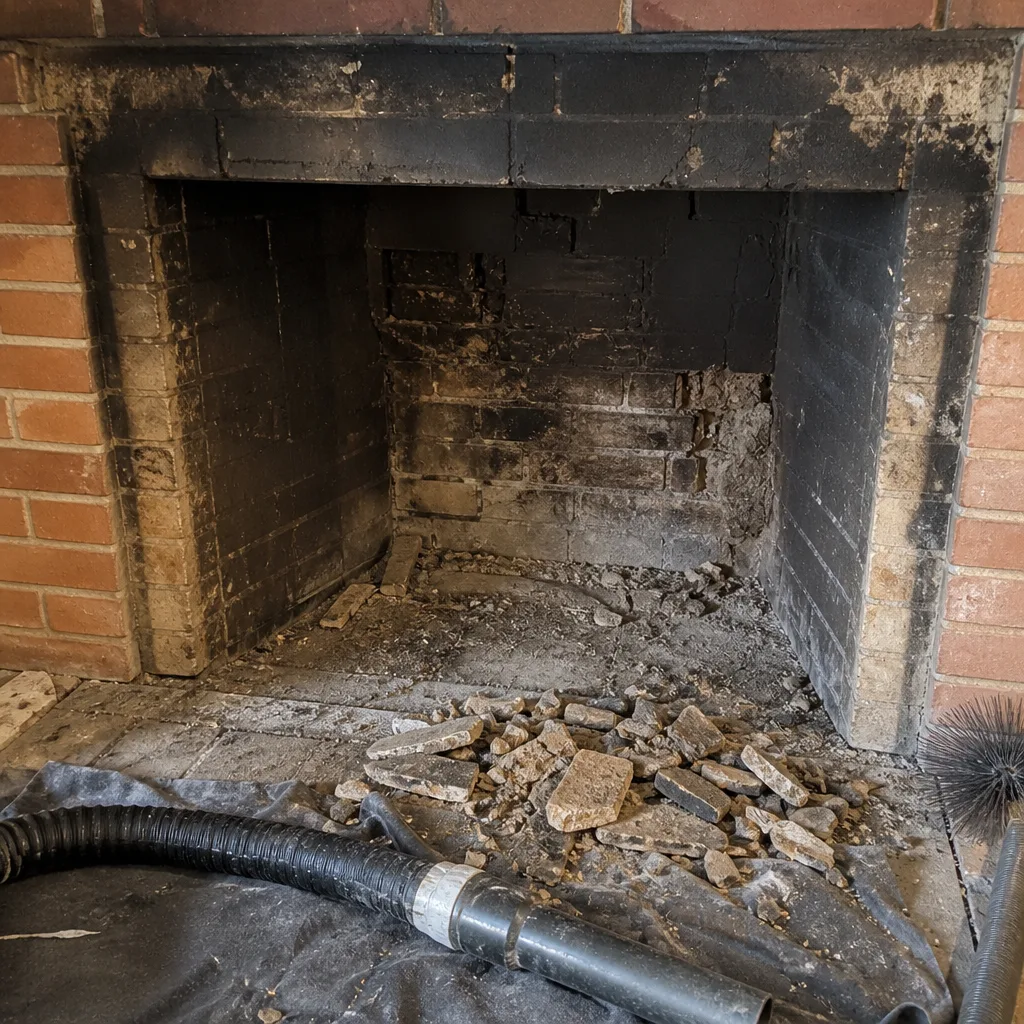 Before
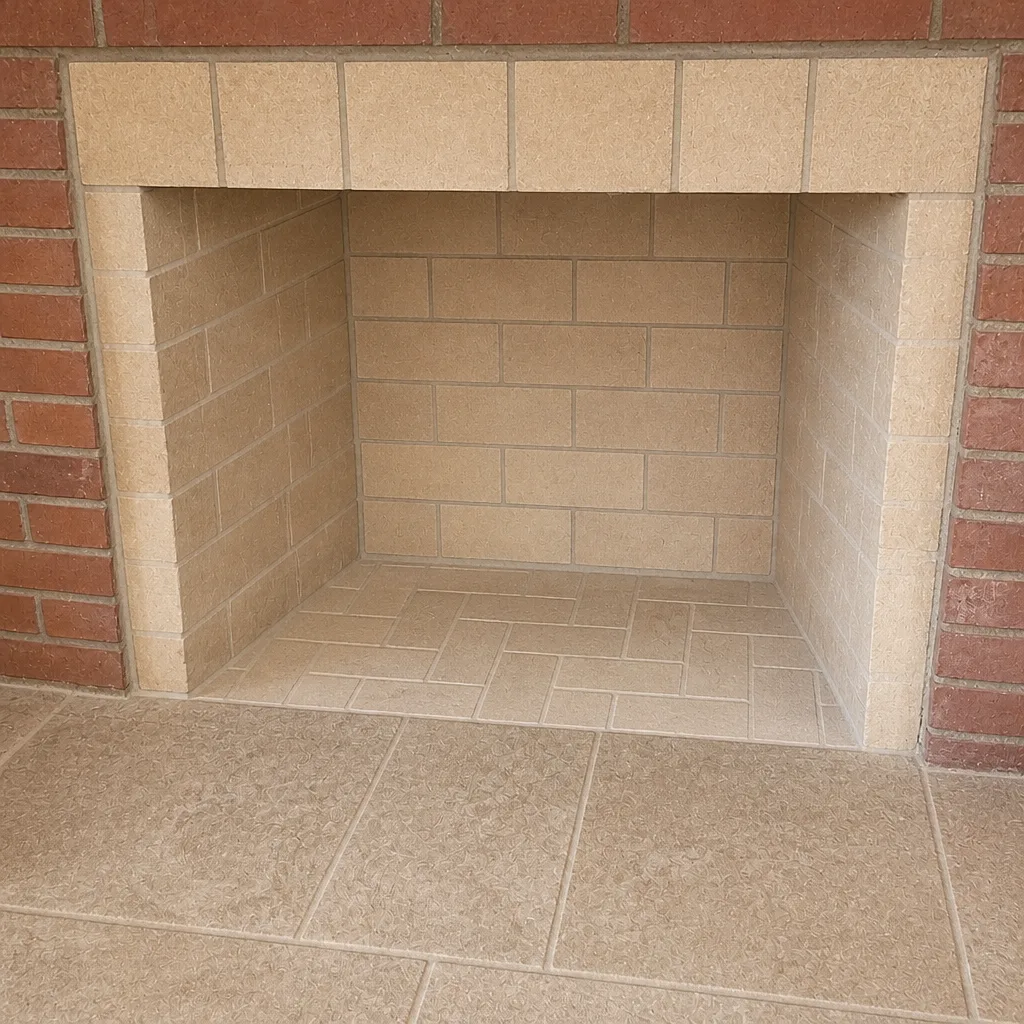 After
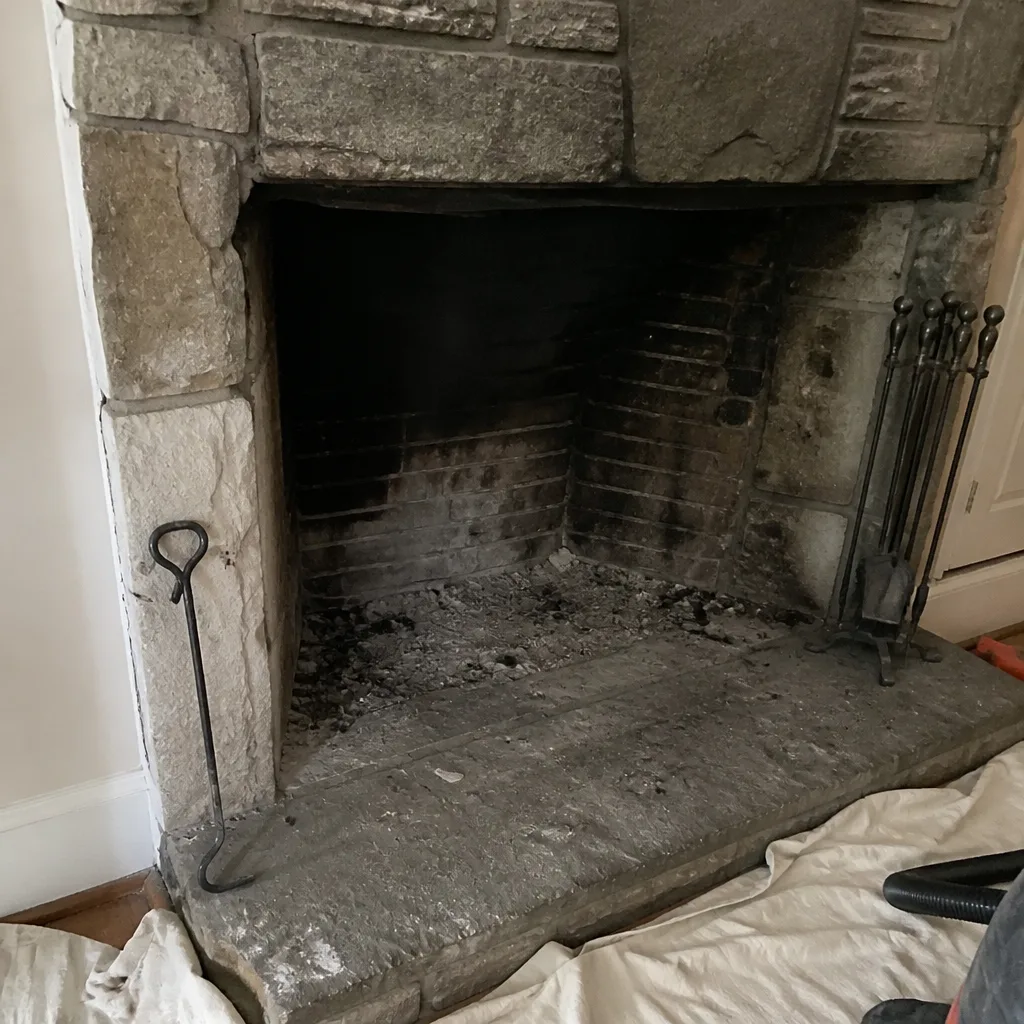 Before
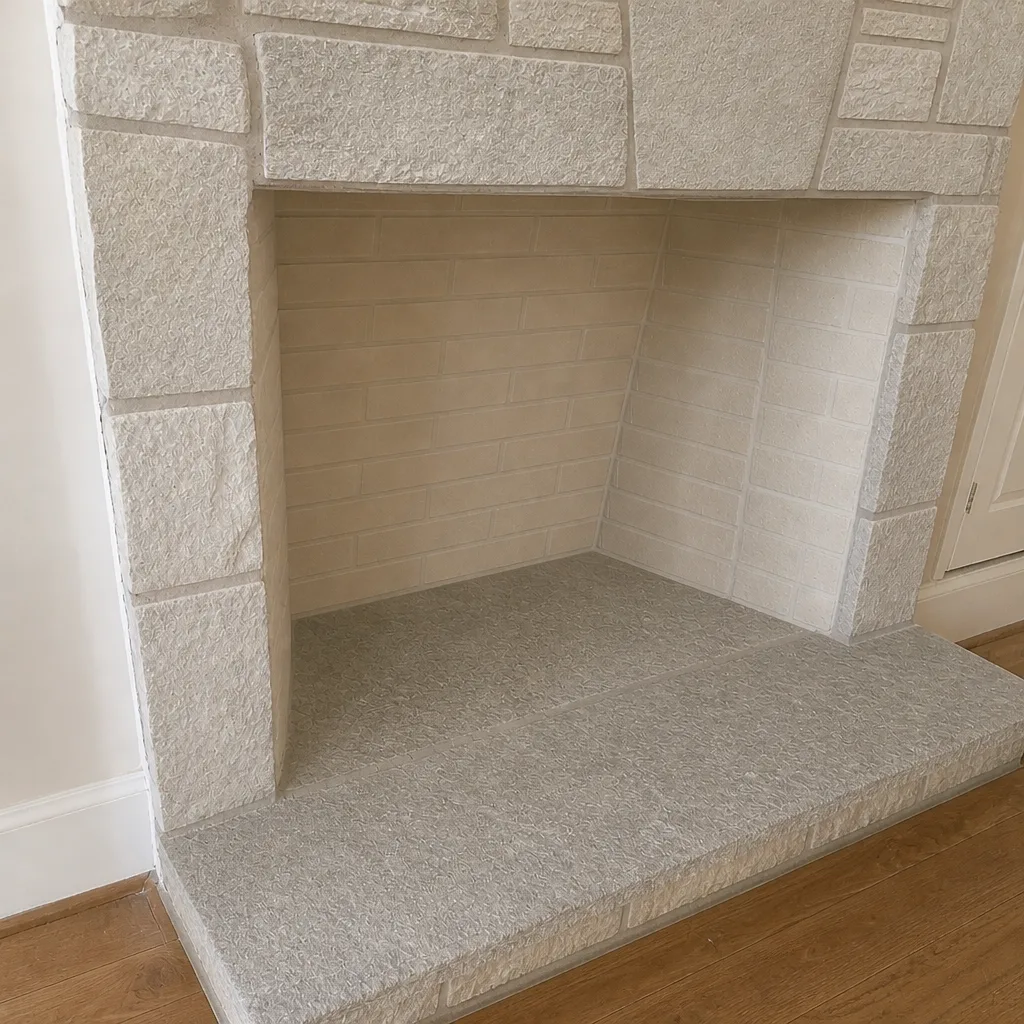 After
When to Call a Professional
Call a professional for anything above the roofline, for the flue interior, for masonry repair, and for any inspection that goes beyond a visual look. Call right away if a fire smokes into the room, if you’ve had a chimney fire even a small one, if the firebox has visible cracks, if you smell creosote or a sharp acrid odor on warm days, if your carbon monoxide alarm sounds, or if you’re buying or selling a home and need a documented assessment. Call in late summer to book the fall sweep before the season fills. Sentry Chimney Sweep offers free estimates in Arlington. Call (833) 309-7302. We answer 24/7. Fast dispatch from 7am to 7pm, Sunday through Friday. Estimates are free, and the written estimate sets the final price per job.
Frequently Asked Questions
Sweep based on how much you burn: an annual sweep for light use, roughly once per cord for regular wood burners, and twice per season for anyone using a wood stove or fireplace as a primary heat source. The right frequency for your home comes from an inspection that looks at your actual creosote buildup. Call (833) 309-7302 for an exact quote on a sweep and inspection – estimates are free.
No. The annual standard is a baseline for infrequent users. If you burned more than two cords last season or run the stove daily, you’re outside what that baseline assumes, and you should be on two sweeps per season plus a thorough annual inspection. Call (833) 309-7302 to set up an assessment of your actual burn pattern and flue condition.
Stop using the chimney and schedule a Level II inspection before any further burning. A chimney fire can damage the flue or liner even when the fire seems to have burned itself out, and getting the system checked is the only way to know it’s safe. Call (833) 309-7302 to book an inspection – estimates are free.
Because Arlington’s temperatures swing above and below freezing from roughly November through March, and that freeze-thaw cycle damages masonry every winter. Spring is the only point where you can see the winter’s damage and still fix it in dry summer weather before the next season. Call (833) 309-7302 to schedule a post-season inspection – estimates are free.
You can safely check the damper, look over the firebox, remove ash, and test alarms, but sweeping, liner work, masonry repair, and any height work belong to a professional. Sweeping from the roof is where homeowners get seriously injured. Call (833) 309-7302 for a professional sweep and inspection – estimates are free.
Creosote builds up and raises the risk of a chimney fire, hidden cracks in the masonry or liner go undetected, and freeze-thaw damage gets worse every winter it isn’t addressed. Chimney maintenance is a home safety matter, not a seasonal convenience. Call (833) 309-7302 to get on a proper schedule – estimates are free.
The Bottom Line
A chimney maintenance schedule is a year-round calendar, not a once-a-year sweep. Spring inspection reveals what winter did. Summer is when repairs and waterproofing get done in curing weather. Fall is the pre-season sweep and, if anything has changed, a deeper inspection. Winter is for simple visual checks between fires. Let your burn volume drive how often you sweep, keep a written log of every visit, and treat the Arlington freeze-thaw cycle as the reason the spring masonry visit is non-negotiable. Sweep. Inspect. Repair. One call covers the whole system, and the calendar is what keeps it safe all year.
Call Sentry Chimney Sweep at (833) 309-7302 for a free estimate. We answer 24/7. Fast dispatch from 7am to 7pm, Sunday through Friday. Whether you need a fall sweep, a spring inspection, or a summer repair, we’ll walk you through the written estimate so you know exactly what’s being done and why.
Written by the team at Sentry Chimney Sweep.