
Last updated November 15, 2026
 Sweep & inspection
 Caps & crowns
 Flue relining
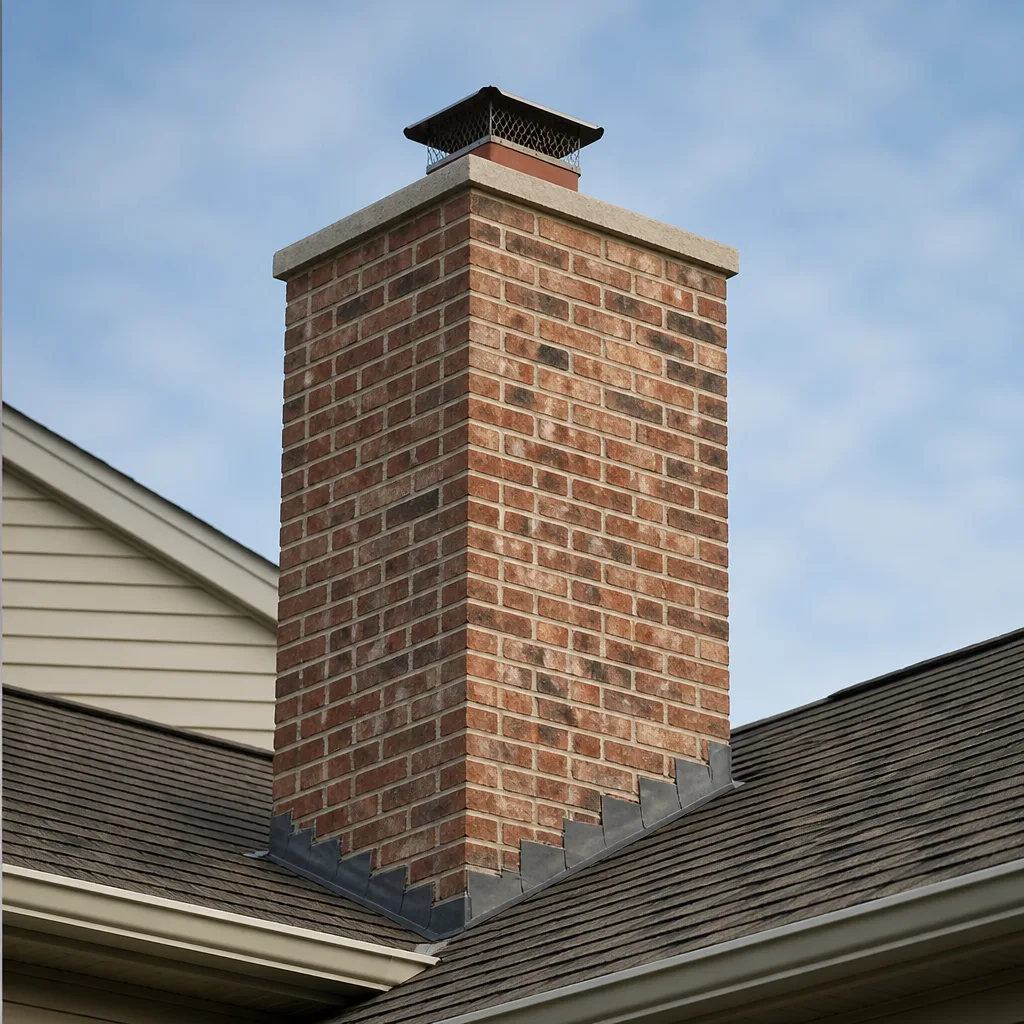 Masonry repair
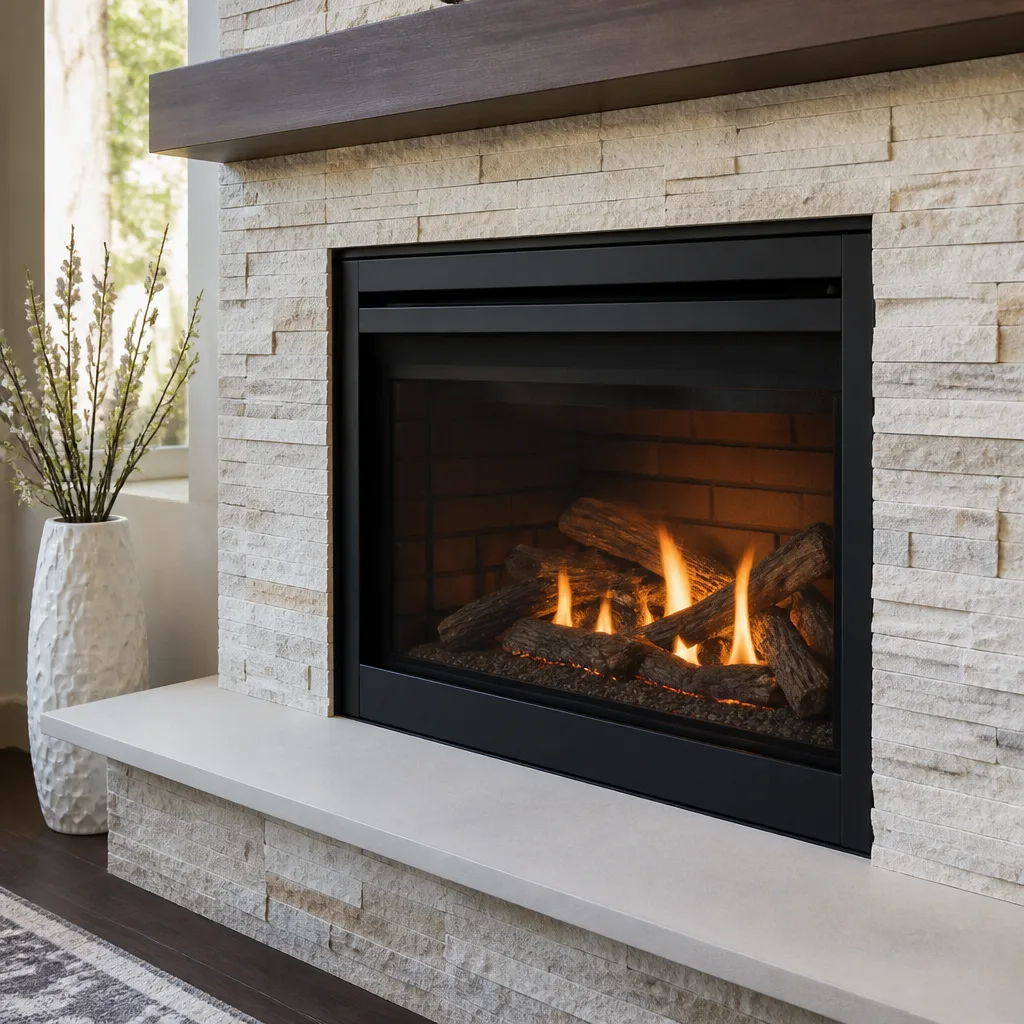 Gas fireplace service
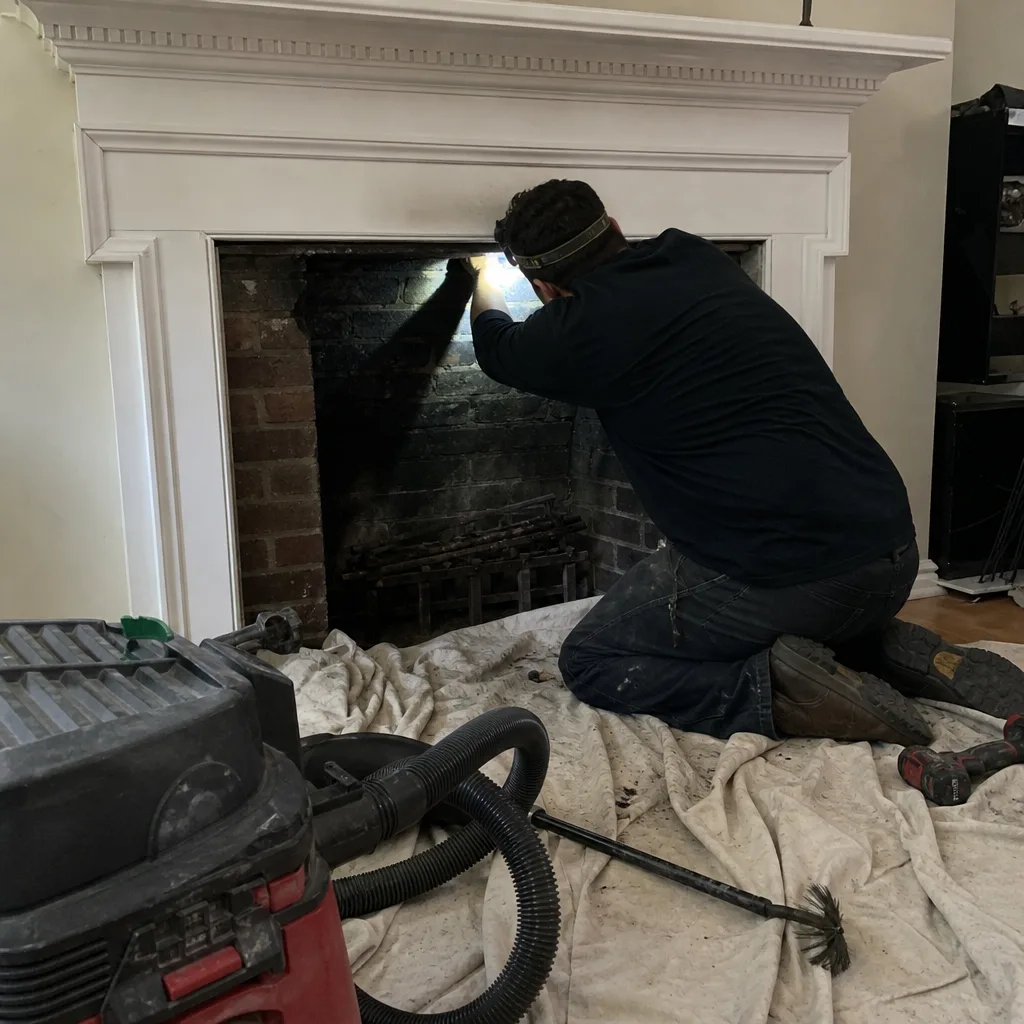
Level 1 sweep and inspection to the NFPA 211 annual standard - flue, crown, cap, and flashing checked and photographed
Chimney sweep logs do not sweep chimneys. They loosen some creosote - which then falls where a brush and vacuum still have to collect it.
Chimney Cleaning Cost Breakdown: The Arlington Homeowner’s Reference for 2026
A $99 chimney cleaning and a $299 chimney cleaning can both be fair prices, or both be rip-offs. The number alone tells you almost nothing without knowing what “cleaning” means in each quote. In Arlington, where much of the housing stock dates to the mid-twentieth century and older, a sweep that includes a proper liner assessment is a fundamentally different job than one that doesn’t. This guide decodes every line item in a chimney cleaning invoice so you can compare quotes by scope rather than by total, understand what a fair Arlington price looks like in 2026, and spot the vague estimate language that lets a contractor add charges after the work begins.
Quick Answer
A standard chimney sweep in Arlington typically runs $180 to $340 in 2026, and a Level II inspection with a camera usually adds $150 to $300. The final price depends on what’s included: a base sweep covers cleaning and a basic visual check, while liner evaluation, cap work, and crown repair are separate line items. Your written estimate should itemize each one before any work starts.
Styles & brands we work with
- Sweep & inspection
- Caps & crowns
- Flue relining
- Masonry repair
- Gas fireplace service
Table of Contents
- What Are You Actually Paying For?
- Why Arlington Chimneys Cost What They Do
- 2026 Price Ranges by Service Type
- Level I, II, and III Inspections: Which One Do You Need?
- The Real Cost of Deferring a Cleaning
- How to Read a Chimney Sweep Estimate
- Common Mistakes to Avoid
- When to Call a Professional
What Are You Actually Paying For?
Every chimney cleaning quote is really a sum of discrete parts, and the total only makes sense when you can see them separately. The base sweep is the foundation: it includes setting up floor protection, brushing the flue from the firebox up or from the roof down, removing soot and creosote, and cleaning the firebox, smoke chamber, and damper area. It should also include a basic visual check of what’s accessible. That’s the minimum, and it’s what the lowest quotes in Arlington usually cover.
Everything above that is an add-on, and this is where fairness gets tested. Some add-ons are legitimate and necessary. Others are applied to every customer as a matter of routine. Here’s how to separate them:
- Always included in a base sweep: floor and hearth protection, flue brushing, creosote removal, firebox and damper cleaning, a visual check of the accessible flue, and cleanup of the work area.
- Legitimate add-ons you may need: camera-assisted inspection of the flue interior, a written inspection report, cap inspection or replacement, crown sealant, and liner evaluation. These require extra time, equipment, or a return visit, so they carry a separate cost.
- Add-ons that should be justified, not assumed: chemical creosote treatments, “sanitizing” sprays, and upgrades that appear on every invoice regardless of what the flue actually looks like. Ask what was found, and ask to see it.
The difference between a $180 quote and a $340 quote often comes down to which of these lines are bundled. A quote that includes a camera scan and a written report for $300 can be a better value than a $180 quote that leaves liner evaluation out entirely. When we look at estimates on behalf of Arlington homeowners, we look at what’s included before we look at what’s charged. That’s the whole point of understanding the breakdown.
For a deeper look at what a standard visit covers, see our chimney sweep page, which walks through the service step by step.
Why Arlington Chimneys Cost What They Do
Arlington’s housing stock is older than that of most surrounding Virginia markets, and older houses mean more complicated chimney work. In neighborhoods like Ashton Heights, Lyon Village, and Buckingham, many homes were built between the 1920s and the 1950s, when chimneys were often constructed with clay tile liners that have since developed cracks, gaps in the mortar joints, or a heavy creosote glaze from decades of use. A sweep on a chimney from that era is rarely just a sweep. It involves assessing the liner, checking the crown and cap, and often identifying repairs that a newer home wouldn’t need for another decade or two.
That affects cost in three measurable ways:
- Longer service time. Pushing a brush through a straight, clean flue takes less time than navigating offsets, checking tile joints, and scanning a liner that shows signs of age. Old masonry chimneys in Arlington often take longer to clean and inspect properly.
- More repair discoveries. When a sweep finds cracked tiles or a deteriorated crown, the conversation shifts from cleaning to repair. That’s a legitimate outcome, but the cost of the visit changes accordingly.
- Access and roofline issues. Some Arlington homes have steep roof pitches, tight side-yard access, or chimney configurations that require additional setup. This is one of the reasons two houses on the same block can receive very different quotes.
Arlington’s climate also plays a role. Our winters swing between mild stretches and hard cold snaps, and that freeze-thaw cycle works on masonry crowns and mortar joints. A crown that’s already cracking will worsen through a few seasons of that pattern. We’re not saying every Arlington chimney is failing, but we are saying that older masonry here deserves a closer look than it might in a newer suburban market. Proper chimney repair holds up better when it’s based on what a camera actually shows rather than what a technician assumes about the home’s age.
If you’re new to the area, our Arlington page covers the housing patterns and seasonal considerations that shape chimney work here.
2026 Price Ranges by Service Type
The table below reflects typical 2026 estimates for common chimney services in Arlington. These are ranges, not fixed prices, and every job is ultimately priced by a written estimate after the technician sees the chimney. Some homes sit at the low end, some above the high end, and everything in between. Use these figures to check whether a quote is in the right neighborhood before you agree to it.
| Service | Typical Range | What’s Included |
|---|---|---|
| Standard sweep (wood-burning fireplace) | $180 – $340 | Floor protection, flue brushing, creosote removal, firebox and damper cleaning, basic visual check, cleanup |
| Level I inspection | $100 – $180 | Visual check of accessible flue, firebox, damper, and cap; no camera required |
| Level II inspection | $250 – $480 | Full inspection including camera scan of the flue, written report, and recommendation summary |
| Level III inspection | $500 – $1,200+ | Inspection involving removal of components (crown, adjacent masonry, or liner sections) to gain access; scope varies widely |
| Liner repair (spot repairs, joints) | $400 – $1,200 | Repair of localized liner cracks or gaps; depends on the material and extent |
| Full liner replacement (HeatShield or DuraFlex) | $2,800 – $6,500+ | New liner sized to the flue, or resurfacing with HeatShield; carries long warranty coverage |
| Cap replacement | $180 – $450 | New cap and hardware installed to code |
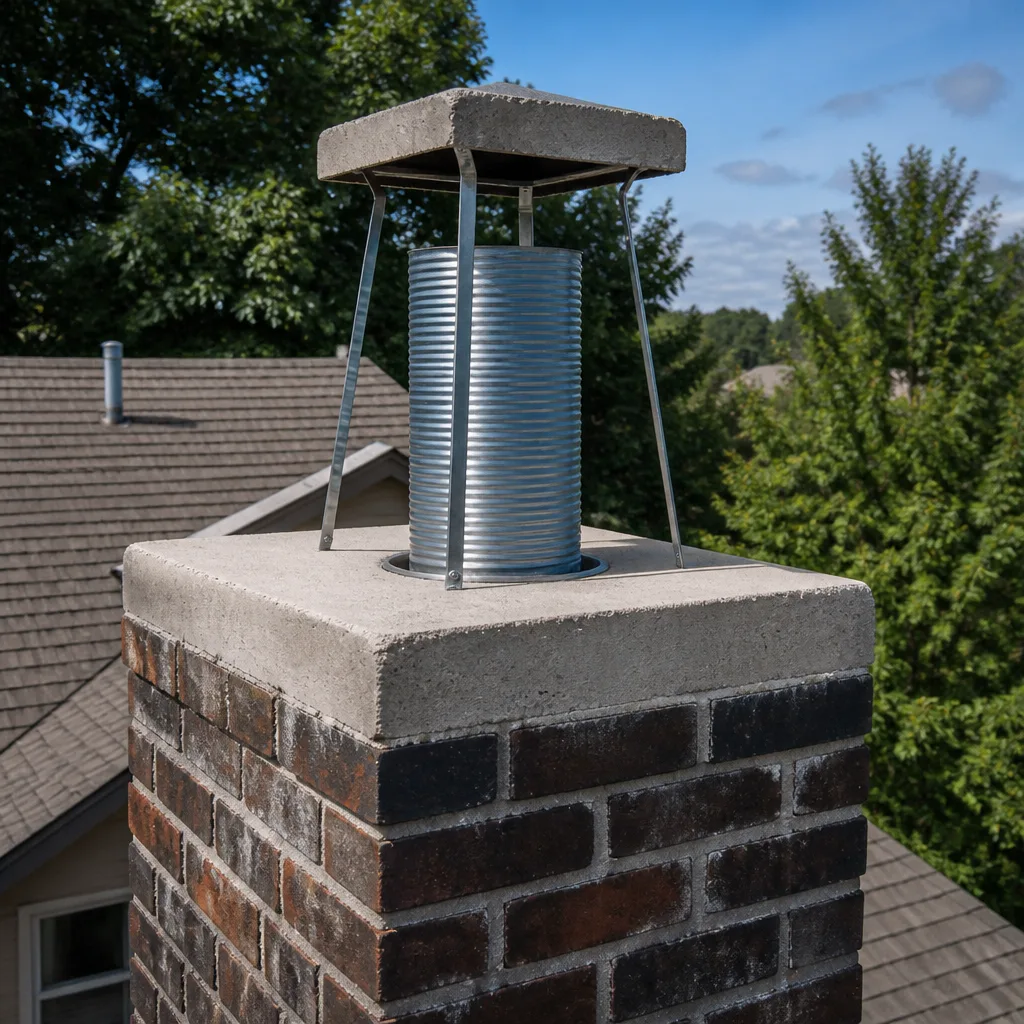
| Crown repair or rebuild | $300 – $1,500+ | Sealing at the low end, full crown rebuild at the high end; depends on the damage |
Two things to know about reading this table. First, a combo sweep and Level II inspection often runs less than the two line items booked separately, so ask whether the package is priced as a package. Second, liner work is where the biggest spread appears. A localized spot repair and a full resurfacing job both fall under “liner work,” which is why comparing two liner quotes requires knowing exactly what material and method each uses. For a full walkthrough of liner options, see our chimney repair page.
Level I, II, and III Inspections: Which One Do You Need?
The three inspection levels form the backbone of any chimney quote, and knowing which one applies to your situation helps you spot a quote that’s either over-scoped or under-scoped. Here’s how they differ.
- Level I is a visual-only check of what you can reach. It’s appropriate when the chimney is in a known-good condition, when you’ve had regular annual sweeps, and when nothing has changed since the last visit. It’s quick, it’s affordable, and it’s useful when you’re maintaining an established pattern.
- Level II adds a camera scan of the flue interior and a written report. It’s appropriate when you’ve changed fuel types, had a chimney fire, bought a new home, added a wood stove or insert, or gone more than a year without a sweep. This is the inspection most Arlington homeowners need on a home they’ve recently purchased, because it’s the fastest way to know what the liner is actually doing.
- Level III involves opening up parts of the chimney to gain access. It’s called for when the camera shows a problem that requires direct inspection of hidden components, or when the chimney has been damaged by a significant event. It’s the least frequent level and the most expensive, but it’s not discretionary when a real problem is suspected.
For most routine visits, Level I or Level II covers what’s needed. The right call depends on the home’s history and what the initial check reveals. Our team explains which level is appropriate and why before the work starts, so you’re never asked to approve an inspection level you didn’t understand.
The value of a written Level II report is that it converts a technician’s verbal assessment into something you can keep, compare year over year, and use to brief a buyer if you sell the home. We deliver that report digitally, with photo evidence of what was found. Nothing is recommended based on guesswork, and if the chimney can safely wait for service, we say so.
The Real Cost of Deferring a Cleaning
Skipping a cleaning doesn’t save money; it usually shifts cost. Creosote, the tar-like byproduct of wood smoke, builds up in three stages. Stage I is a soft, flaky coating that brushes away easily during a routine sweep. Stage II is a hardened, glossy crust that resists normal brushing. Stage III is the fully glazed, dense material that demands chemical treatment and often hours of additional labor. Recovery costs roughly three to five times what a routine cleaning would have cost at the one-year mark, and that’s before you account for what Stage III creosote means for the flue’s condition.
In plain dollar terms, an Arlington homeowner facing Stage II or III removal is typically looking at $400 to $800 or more in additional labor, compared to the $180 to $340 a routine sweep would have cost. And that’s if the flue is otherwise sound. When a heavy glaze has been sitting for several seasons, the inspection that follows often turns up damage that accumulates over time: warped dampers, cracked tiles, and mortar joints that have lost their seal.
There’s a second cost to deferring: the reduction in your options. A chimney that’s cleaned regularly stays in a maintenance rhythm, and small issues get addressed before they become repair jobs. A chimney that’s been ignored for years tends to arrive at the technician’s assessment already needing work. In our experience, homeowners who come back to a regular schedule earlier in the process spend less over three years than those who catch up later.
The pattern we see in Arlington is seasonal: a burst of cleanings in early fall, and a smaller set of calls in late winter and spring from homeowners who’ve been relying on the fireplace heavily and noticed something off. Both work, but the fall timing gives you more room to act on findings without pressure. If you’ve been on a one-year cadence, stay on it. If you’ve slipped, catch up before the creosote tells you to.
How to Read a Chimney Sweep Estimate
An estimate is only useful if it’s specific. Most complaints about cost surprises after a cleaning trace back to vague estimate language that left room for the contractor to add charges once the work was underway. Here’s a step-by-step way to read any estimate before you sign it.
- Look for the base sweep line. It should be itemized, with a clear price, and should state what it includes. If the estimate just says “chimney cleaning” with no breakdown, ask for itemization before you agree.
- Check the inspection level. Is it Level I, II, or III? If no level is stated, you don’t know what you’re getting. Ask which level is included and whether a camera scan and written report are part of it.
- Identify the contingencies. Watch for language like “additional repairs as needed” or “upgrades if recommended on site.” That phrasing is the loophole. A fair estimate lists the scope of work it covers and states that any additional work requires your approval and a separate written scope.
- Confirm what’s included in cleanup and protection. Floor covers, drop cloths, and work-area cleanup should be part of the base price. If they’re listed as add-ons, ask why.
- Note the material brands. If liner or resurfacing work is quoted, the estimate should name the material and manufacturer. In our own work we use professional-grade materials from brands like HeatShield, DuraFlex, and Olympia Chimney, and we list them. A quote that just says “new liner” without specifying the product leaves you comparing apples to nothing.
- Ask about the warranty. Liner work and crown repairs carry warranty terms. Get them in writing.
- Get the estimate in writing before any work begins. Verbal estimates change. Written estimates are what you can hold a contractor to.
A well-written estimate reads like a scope of work, not a shopping list. It tells you what will be done, what it costs, what’s excluded, and what would trigger a change order. If you can’t tell from the estimate whether the price is final, the estimate isn’t finished. Our team provides written estimates before booking, and we’re happy to review an estimate you’ve received from another contractor and explain what the line items mean.
Common Mistakes to Avoid
- Comparing totals without comparing scope. A $99 quote and a $299 quote rarely cover the same work. Compare line items first. In Arlington, where many chimneys have older liners, the lower quote often excludes the assessment that matters most.
- Accepting an estimate with no written scope. Vague estimates are how surprise charges happen. Ask for itemization in writing before any work begins.
- Approving a repair the technician can’t show you. When a repair is recommended, ask for a photo or camera evidence of the problem. Any legitimate chimney issue can be documented. If it can’t be, ask again.
- Waiting until the flue is glazed to schedule a cleaning. Once creosote reaches Stage II or III, the cost to remove it climbs sharply and the underlying damage is harder to assess. Stay on an annual cadence and catch it early.
- Assuming “no inspection needed” on a new-to-you home. If you’ve just bought a house in Arlington, a Level II inspection is the right starting point regardless of what the seller said. The written report gives you a baseline for every future visit.
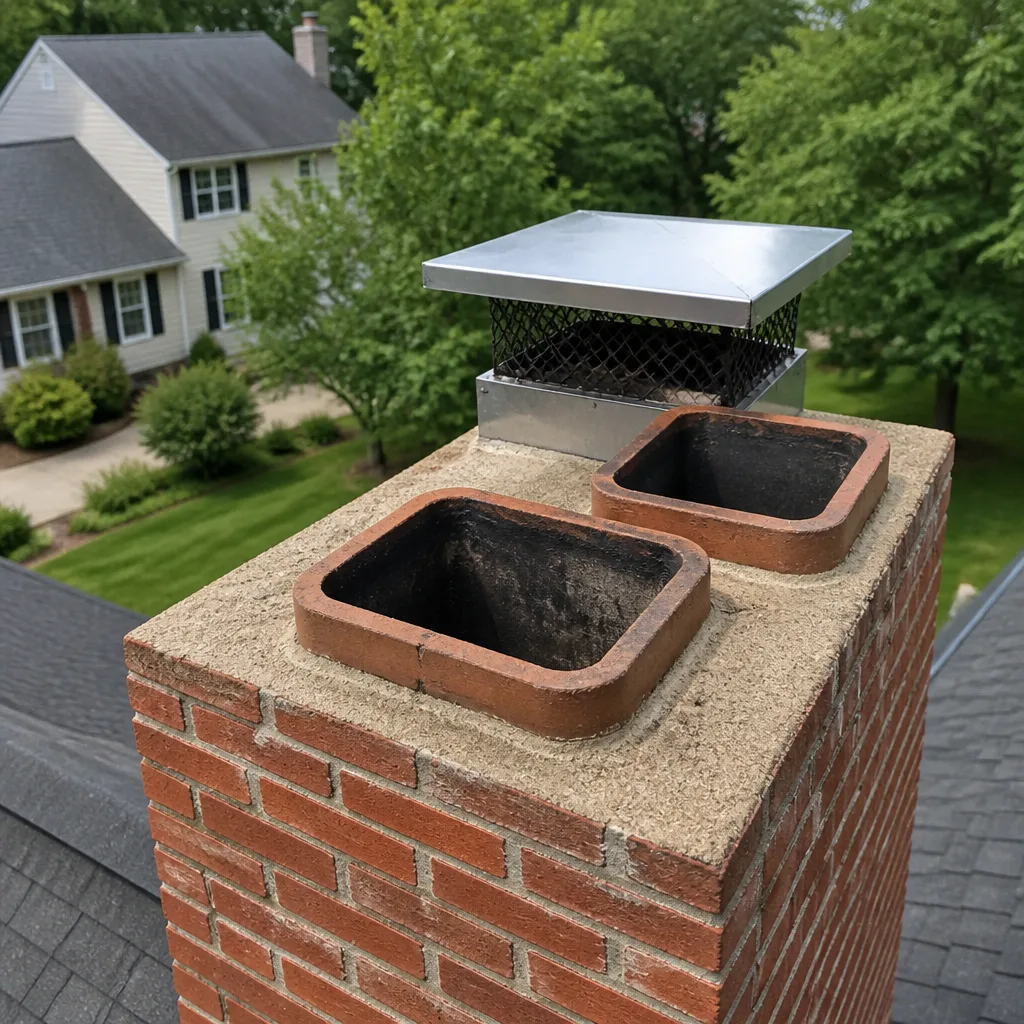
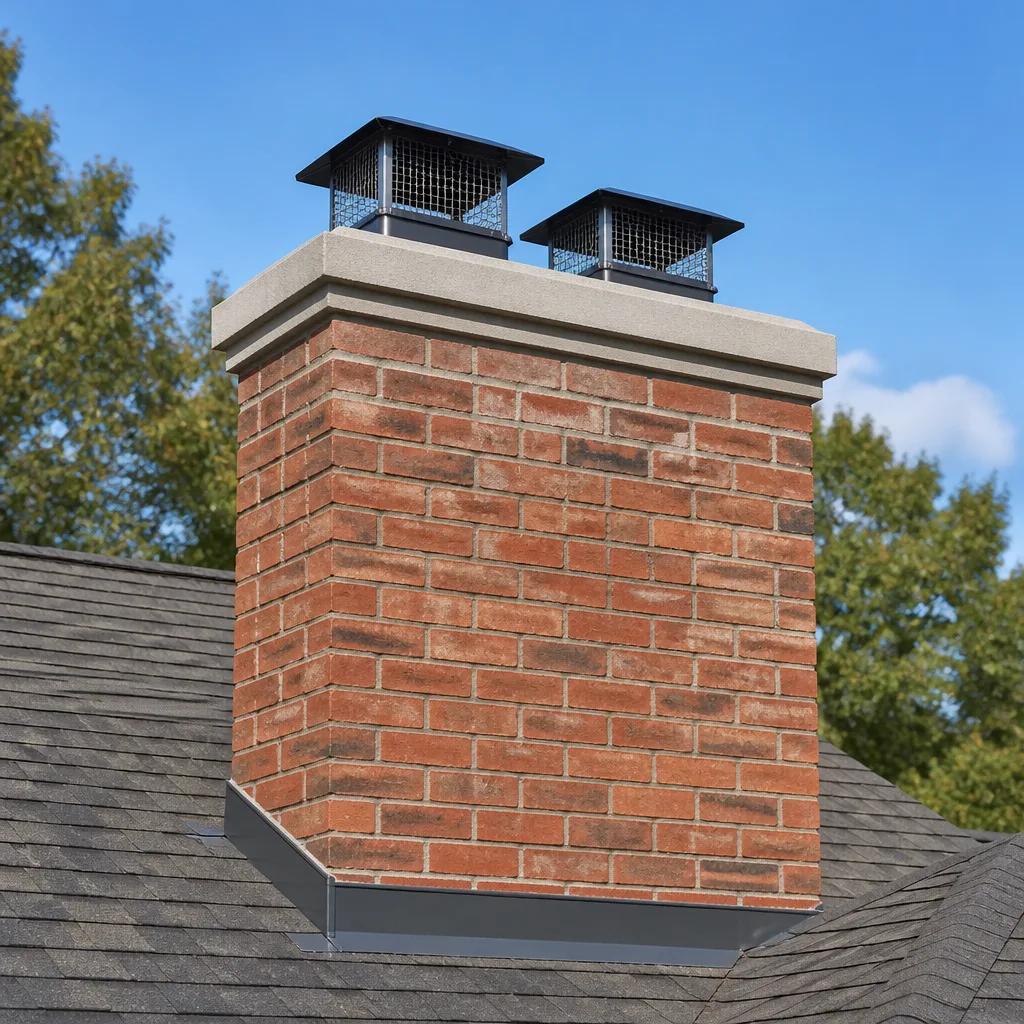
- Assuming the cap is fine because the chimney has a cap. Caps rust, warp, and fail at the seams. Add cap inspection to your annual sweep and ask whether the current one still seals.
- Booking on price alone and skipping the material question. Liner and resurfacing work are where cost-outcome diverges most. Ask which brand and product will be used, and confirm the company works with professional-grade materials rather than generic substitutes.
When to Call a Professional
Some chimney issues are clear calls for a professional. Any chimney fire, even one that seems to have burned out on its own, warrants a Level II inspection before the fireplace is used again. A strong odor in warm weather, particularly a smell that gets worse when it’s humid outside, points to a buildup that needs attention. Draft problems, smoke backing into the room, or visible staining on the chimney exterior all suggest issues that won’t resolve on their own. A cracked crown, missing cap, or mortar crumbs on the roof or in the firebox are all signals to schedule a visit.
Routine cleaning is the simpler case. If you’ve been burning wood regularly and it’s been a year since the last sweep, book one. The cost of staying on schedule is much lower than the cost of catching up. Sentry Chimney Sweep offers free estimates in Arlington. Call (833) 309-7302. We answer 24/7. Fast dispatch from 7am to 7pm, Sunday through Friday.
See the difference
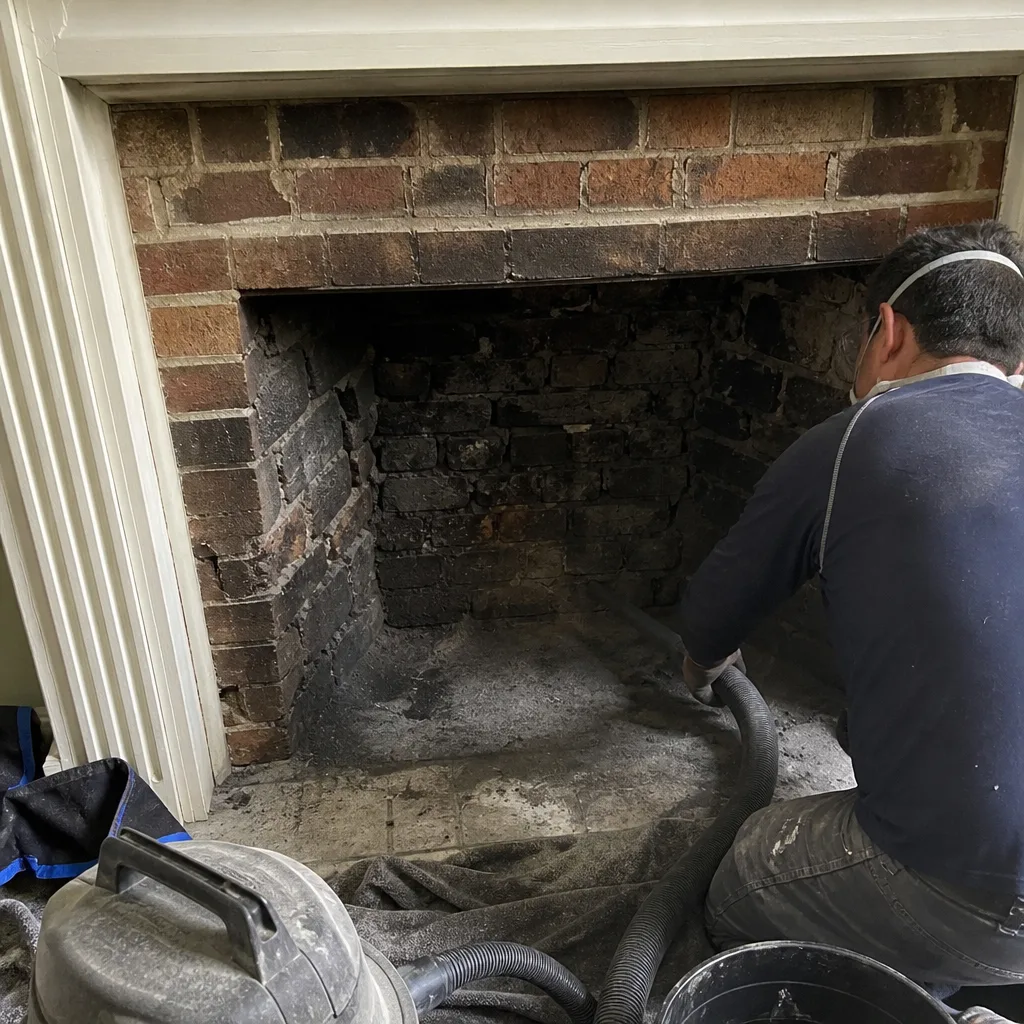 Before
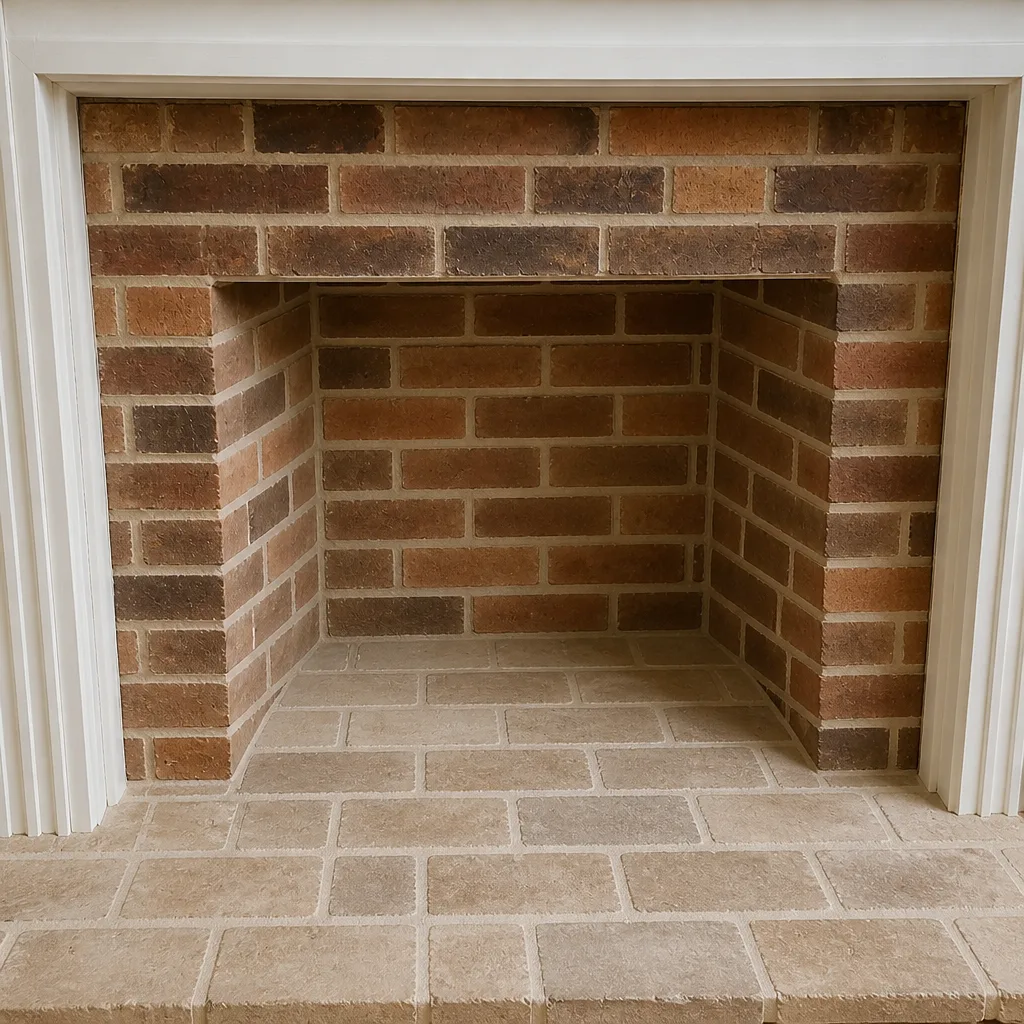 After
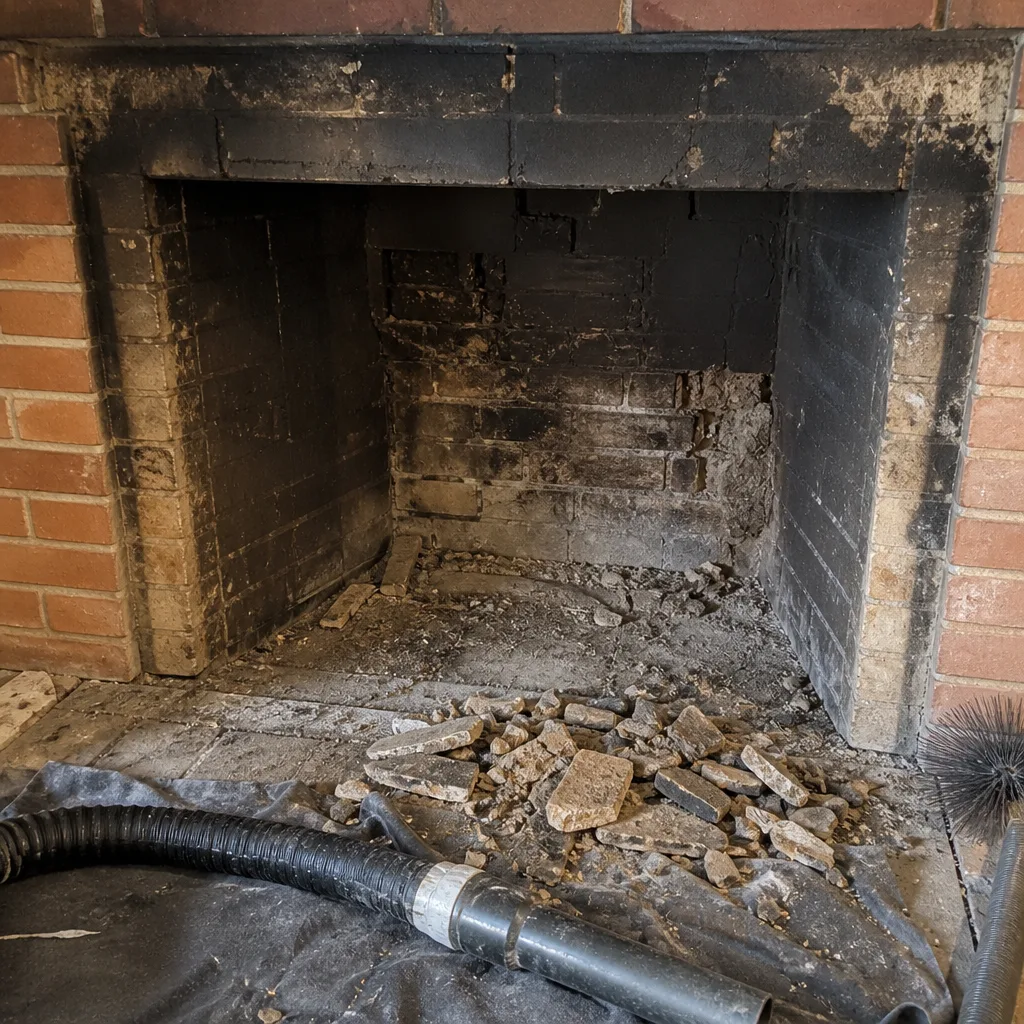 Before
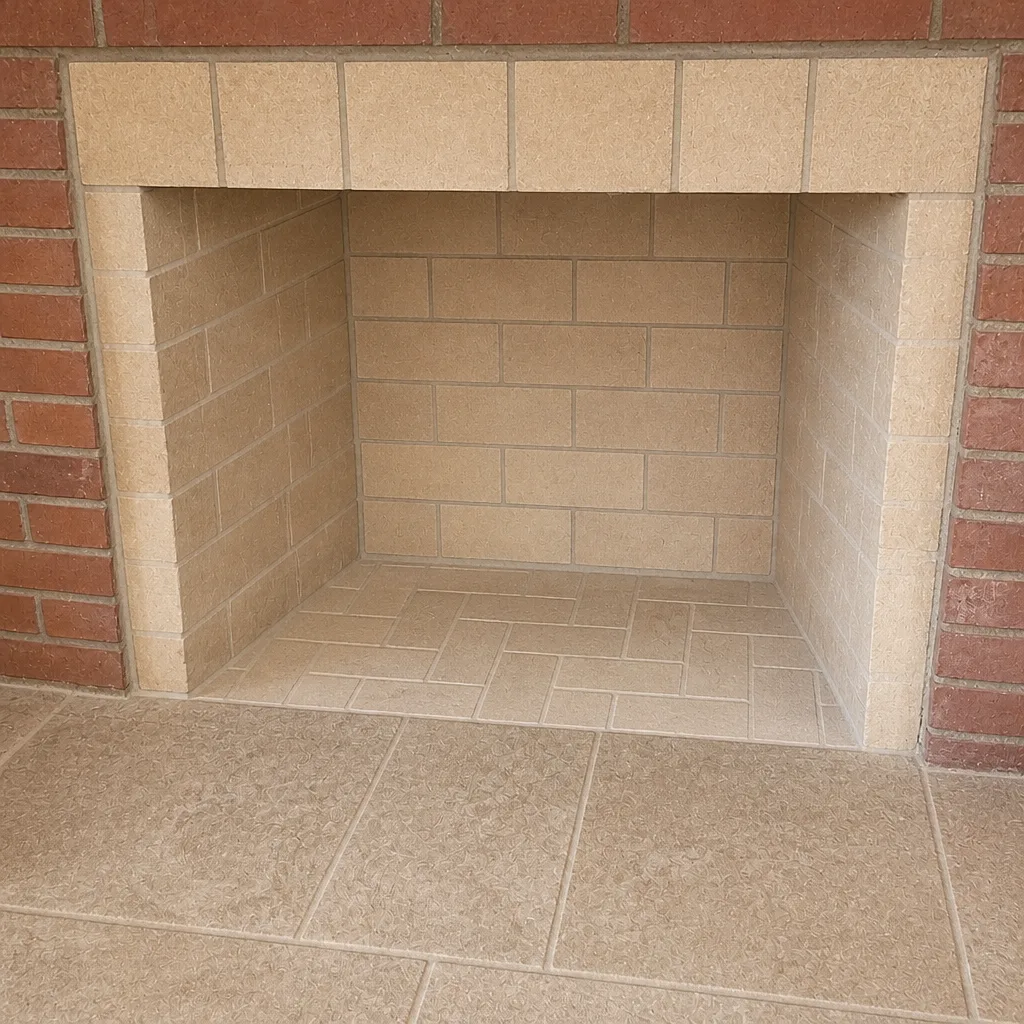 After
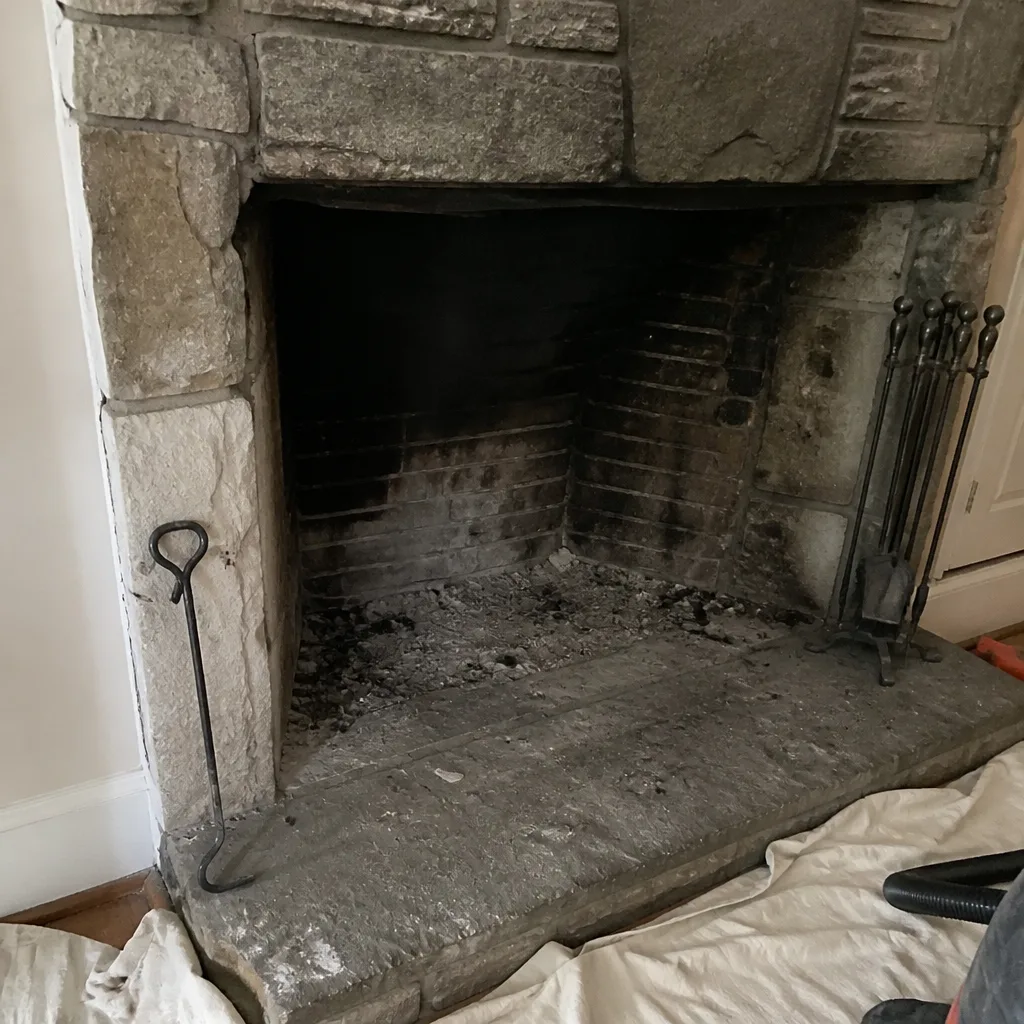 Before
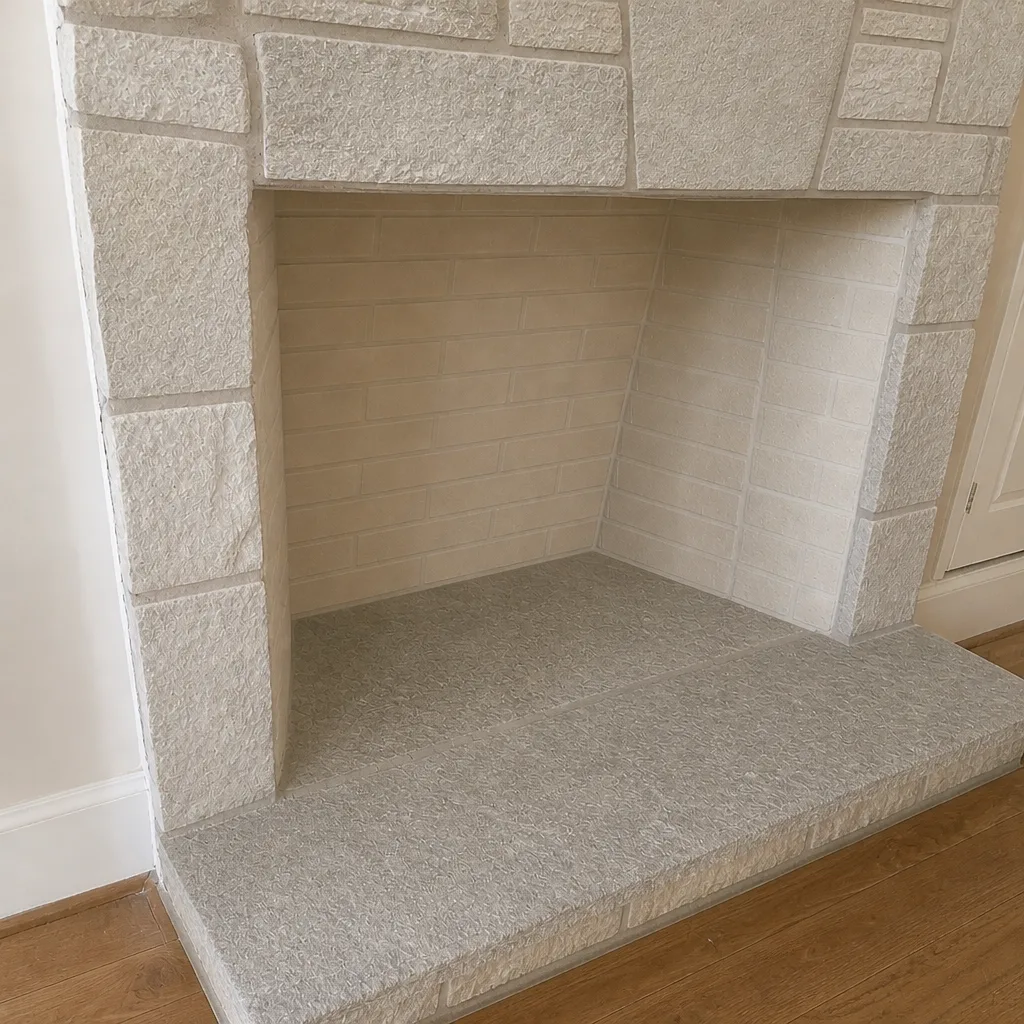 After
Frequently Asked Questions
A standard chimney sweep in Arlington typically runs $180 to $340 in 2026, depending on the condition of the flue and what the visit includes. A Level II inspection with a camera adds $250 to $480. The written estimate sets the final price. Call (833) 309-7302 for an exact quote; estimates are free.
Only when the camera shows it. A liner recommendation should always be backed by photo or video evidence of cracks, gaps, or deterioration, and you should be able to see it yourself. If the flue is sound, a repair or resurfacing is often the right answer, and if the work can safely wait, we say so. When a liner is needed, we use DuraFlex liner systems and HeatShield resurfacing, not generic substitutes. Call (833) 309-7302 for an exact quote; estimates are free.
Once a year, if you burn wood regularly. A slightly longer interval is reasonable for a fireplace used only occasionally, but the annual sweep is the simplest way to catch small issues early. If it’s been more than a year, book the sweep now rather than waiting for a problem to show. Call (833) 309-7302 for an exact quote; estimates are free.
Creosote continues to accumulate in the flue, and it hardens over time. Stage I deposits are removed easily during a routine sweep; Stage II and III deposits require more labor and stronger methods, and the cost to remove them can run three to five times higher than an on-schedule cleaning. The risk is also larger: heavy creosote raises the danger of a chimney fire and reduces how well you can assess the flue’s condition. Call (833) 309-7302 for an exact quote; estimates are free.
Chimney condition, liner material, roofline access, and cap configuration vary from house to house, and each factor affects service time. Arlington’s older housing stock means the differences show up more than they would in newer construction. The quote reflects what’s actually there, not the street address. Call (833) 309-7302 for an exact quote; estimates are free.
Not always, and this is one of the most common sources of confusion in comparing quotes. A base sweep typically includes a visual check of what’s accessible, but a full Level II inspection with a camera and written report is a separate service. Confirm which one you’re booking before the visit. Call (833) 309-7302 for an exact quote; estimates are free.
The Bottom Line
Chimney cleaning cost in Arlington isn’t a single number. It’s a sum of discrete services, and a fair quote is one that itemizes them clearly: the base sweep, the inspection level, and any add-ons the home actually needs. Use the 2026 ranges in this guide to spot quotes that fall outside the typical band, and use the itemized scope in each estimate to compare apples to apples. When a repair is recommended, ask to see the camera evidence. When the work can wait, expect to hear so. Every visit from us – whether it’s a sweep, an inspection, or a repair – is built around what the flue actually shows. To schedule a visit, call Sentry Chimney Sweep at (833) 309-7302 for a free estimate. We answer 24/7. Fast dispatch from 7am to 7pm, Sunday through Friday.
Written by the team at Sentry Chimney Sweep.