
Last updated November 15, 2026
 Sweep & inspection
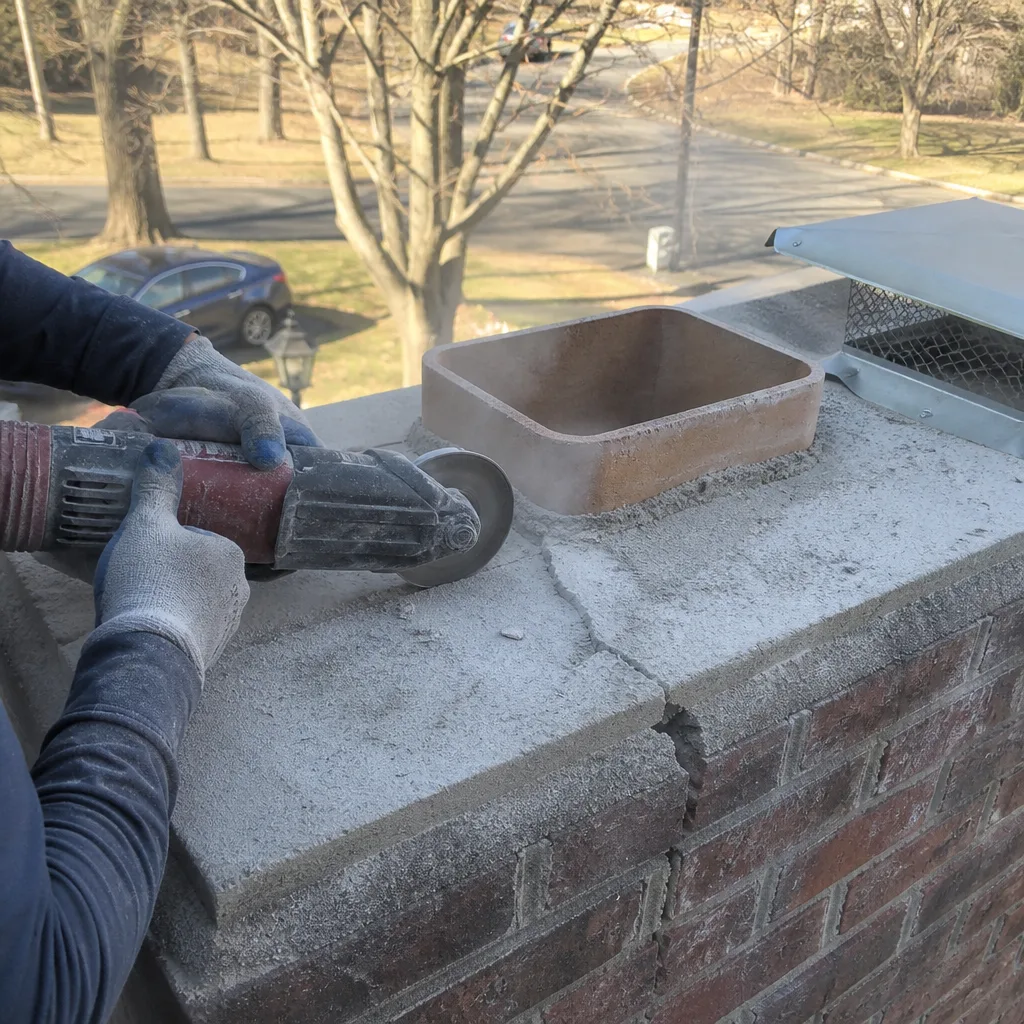
 Caps & crowns
 Flue relining
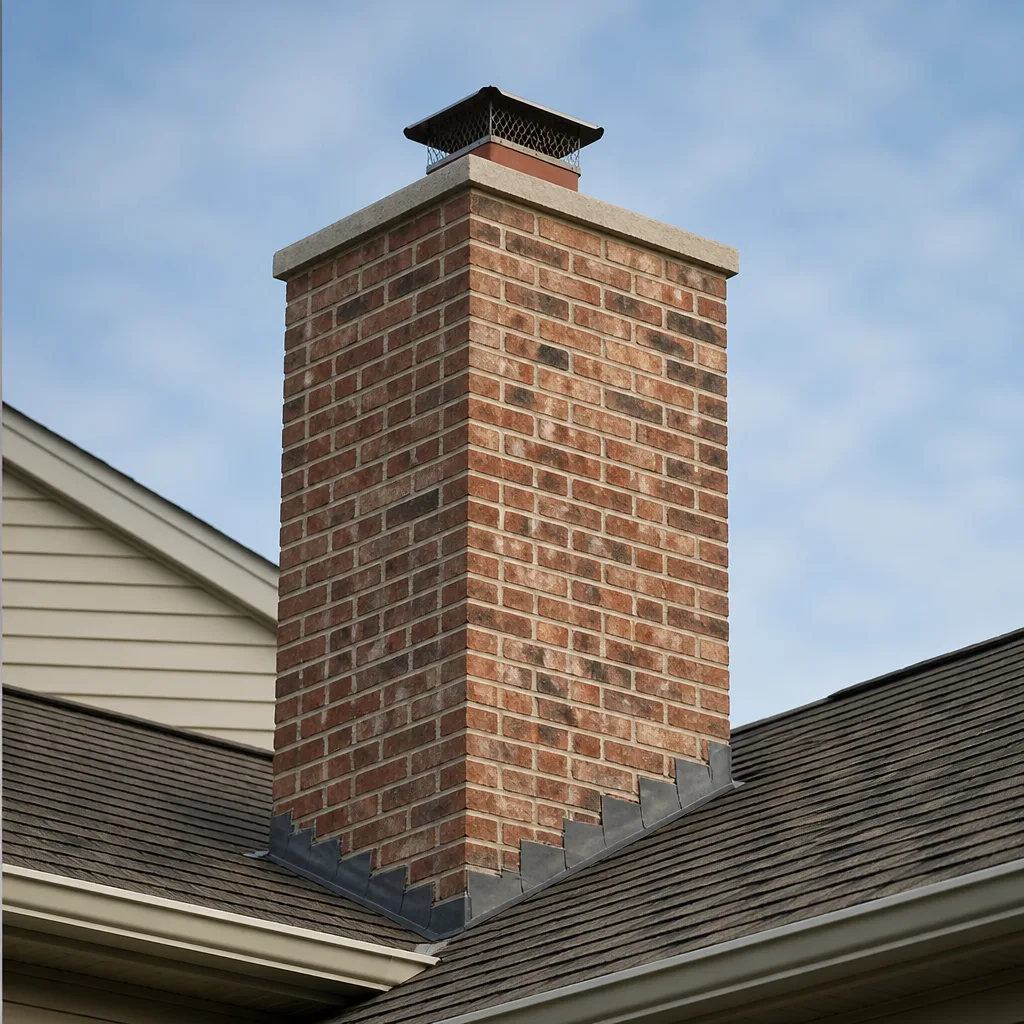 Masonry repair
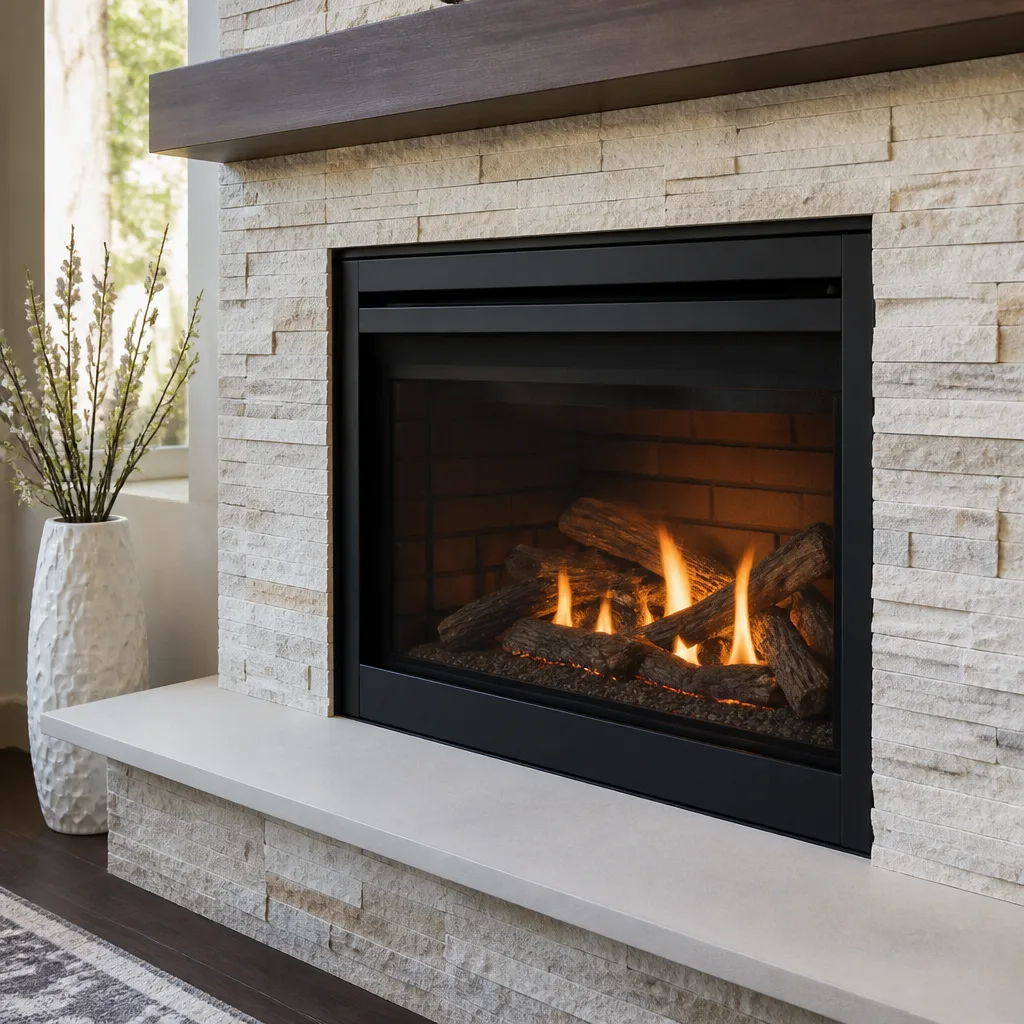 Gas fireplace service
Level 1 sweep and inspection to the NFPA 211 annual standard - flue, crown, cap, and flashing checked and photographed
Chimney sweep logs do not sweep chimneys. They loosen some creosote - which then falls where a brush and vacuum still have to collect it.
How to Hire a Chimney Cleaning Contractor in Arlington: A Step-by-Step Guide
CSIA certification takes roughly 100 hours of study and a proctored exam. A bucket, some brushes, and a classified ad take about 20 minutes. Both can produce someone who knocks on your door in Arlington and calls themselves a chimney sweep. Most homeowners start the search by comparing prices, which means they’re ranking strangers on the one number that tells them nothing about whether the work will be done safely. This guide flips the order. It walks you through verifying credentials, asking the right questions on the phone, reading a quote for what it actually says, and knowing what a real sweep looks like on the day it happens. Get the competence filter right first, then compare cost.
Quick Answer
To hire a chimney cleaning contractor in Arlington, verify CSIA or NFI credentials and Virginia contractor licensing before you discuss price, ask five specific questions on the phone, insist on an in-person assessment before any quote is set, and request photo documentation of the flue before and after the sweep. A qualified sweep cleans to a defined standard, protects your floors and furnishings, and leaves you with a written report, not just a receipt.
Styles & brands we work with
- Sweep & inspection
- Caps & crowns
- Flue relining
- Masonry repair
- Gas fireplace service
Table of Contents
- What credentials should a chimney sweep in Arlington actually have?
- What Virginia’s contractor licensing database shows, and what it doesn’t
- The five questions to ask on the phone before you schedule
- Red flags in chimney sweep quotes
- How to evaluate before-and-after documentation
- What to expect on the day of service
- Sweeping versus inspection: which one are you actually buying?
- Common Mistakes to Avoid
- When to Call a Professional
What credentials should a chimney sweep in Arlington actually have?
The two credentials worth checking are CSIA certification and NFI certification, and they mean different things. The Chimney Safety Institute of America certifies individuals, not companies, so the certification belongs to the technician standing in your living room. NFI, the National Fireplace Institute, also certifies individuals in specific fuel categories. A company can advertise that it employs certified sweeps without the person at your door holding current certification. Ask for the name, and check it.
CSIA certification requires passing a proctored exam and maintaining it through continuing education. That structure is the whole point: it forces a technician to demonstrate knowledge of creosote behavior, venting physics, and the code standards that govern how a chimney should perform. It’s a meaningful bar. It’s also not the only bar, which is why the credential check is step one and not the whole checklist.
In Arlington, where a lot of housing stock dates to the mid-twentieth century and earlier, the technician also needs to recognize what older masonry and older prefabricated systems look like from the inside. A sweep who only knows modern installations will miss the failure modes that show up in established neighborhoods. Certification gives you a baseline of knowledge; local familiarity with older construction gives you the rest.
How to verify CSIA and NFI credentials
- Ask the company for the full name of the technician who will perform the work.
- Ask whether that specific person holds current CSIA certification, and for how long it’s been current.
- Check the CSIA and NFI directories directly rather than relying on a logo on a website.
- If the company can’t name the technician or confirm certification status, treat that as an answer in itself.
A company confident in its credentials will give you a name without hesitation. Hesitation usually means the certification lives on a brochure, not on a person.
What Virginia’s contractor licensing database shows, and what it doesn’t
Virginia regulates contractors through the Department of Professional and Occupational Regulation, and the public database is genuinely useful. It tells you whether a business holds a valid contractor license, what classification it carries, and whether there are disciplinary actions on record. That’s real information, and it takes about two minutes to pull. Somebody who won’t give you a license number so you can check it is telling you something.
What the database does not show is whether the license classification actually covers chimney work. Virginia classifies contractors by the type and value of work they’re licensed to perform, and a license that’s technically valid doesn’t automatically mean chimney sweeping and venting repair fall within its scope. It also doesn’t show whether the individual doing the work is trained. A licensed general contractor can hire an untrained helper and send them to your roof. The license covers the business entity, not the hands.
That gap is why the credential check and the licensing check have to happen together. Licensing confirms the business is accountable to a state agency. Certification confirms the person is trained in chimney systems specifically. Neither one alone gets you a safe sweep.
What to look up before you book
- Whether the business name matches the name on the license.
- Whether the classification plausibly covers chimney cleaning, inspection, and venting repair.
- Whether there’s any disciplinary history, and what it involved if there is.
- Whether the business can produce a certificate of insurance for general liability.
Insurance is the quiet credential. If a technician damages a liner or a crown while working, general liability coverage is what stands between that and your wallet. Ask for the certificate before the appointment, not after.
The five questions to ask on the phone before you schedule
These five questions take four minutes and sort most of the field. They work because a specialist answers them immediately while a generalist hedges. The fifth one is the sharpest separator, so save it for last.
- What’s the name of the technician, and what credentials do they hold? You want a person and a certification, not “our guys are trained.”
- Will you do an in-person assessment before giving me a price? A real sweep needs to see the flue, the firebox, and the termination before quoting. Anyone who quotes sight unseen is guessing.
- Do you provide before-and-after photos of the flue? The answer should be an unqualified yes, with an explanation of how the camera inspection works.
- What brands of liner and repair materials do you work with? Professional-grade chimney materials from established manufacturers tell you the company is set up for this trade specifically. If the answer is vague, the company is buying whatever’s cheapest at the supply house.
- Do you do sweeping only, or do you also handle inspection and repair? This is the separator. A chimney specialist does all three. A generalist who added chimney cleaning to a menu of gutter and pressure-washing services sends somebody who cleans and then hands you a list of things you need to call someone else about.
That fifth question matters because chimney work is a system problem. Creosote buildup, a cracked crown, a failing mortar joint, and a liner that’s no longer rated for the appliance connected to it aren’t separate issues. They interact. One company that can sweep, inspect, and repair means one judgment about your chimney instead of three contractors each seeing a fraction of it. Our three service pillars exist for exactly that reason, and a specialist you’re vetting should be set up the same way.
Red flags in chimney sweep quotes
The most common trap in Arlington isn’t a scam in the crude sense. It’s a “reasonable” number quoted over the phone for work nobody has looked at. A price that sounds fair before an assessment isn’t a deal; it’s an admission that the person quoting has no idea what’s in your flue. The quote is invented. Whether it turns out to be high or low on the day depends entirely on what’s actually there, and you’ve lost the ability to compare.
Here’s what the red flags look like up close:
- A firm price before anyone sees the chimney. Legitimate quotes come after an assessment. Everything before that is a placeholder designed to get the appointment booked.
- A price dramatically below the local market with no explanation. Underground chimney work involves equipment, training, and time. A number far below everyone else usually means a technician who cleans the firebox and skips the flue.
- Pressure to add work on the spot without evidence. If a technician tells you the liner is failing, they should be able to show you why on camera, on a screen, in your living room.
- No written scope. A quote that doesn’t say what’s included, what standard the cleaning meets, and what you’ll receive in writing afterward isn’t a quote.
- Reluctance to name materials. Chimney liners and resurfacing systems aren’t commodities. A technician who can’t tell you what brand of liner they’d install, or why, doesn’t have a materials standard.
- Cash-only, no paperwork, no insurance certificate. Every one of these removes your recourse if something goes wrong.
The pricing question is legitimate, but it belongs second. Ask about scope, credentials, and materials first, then ask what the work typically costs. When you compare numbers, compare the full scope each one covers. A cheap sweep that leaves creosote in the flue is expensive.
The materials question is one place where you can tell a lot from a short answer. We work with professional-grade products from manufacturers like DuraFlex, HeatShield, and Olympia Chimney, and a technician who does the same will answer that question without reaching for a catalog. Our chimney repair work runs on those systems because patching a liner with generic materials buys you a couple of years, not a solution.
How to evaluate before-and-after documentation
A legitimate sweep gives you evidence, and the evidence has a specific shape. You should see a camera inspection of the flue before the cleaning, a cleaning performed to a defined standard, and a second look or photo set afterward. The images should show your chimney, not a generic flue from a brochure. If what you receive is a stock photo and a receipt, you’ve been sold an errand, not a service.
What good documentation includes, and what each piece is for:
- Pre-sweep camera images of the flue interior. These establish the baseline. Creosote level, glazing, cracks, gaps in the liner, and any obstruction should all be visible.
- A description of the creosote condition. Creosote is graded by degree, and the degree determines whether standard sweeping is enough or whether the flue needs more involved treatment. The grade should be written down.
- Post-sweep images. After cleaning, the flue surfaces should look different. If the before and after images look the same, the sweep didn’t do much.
- A written report of findings. Any cracks, damaged mortar, a failing crown, or a liner that’s no longer suitable for the appliance connected to it should be described in plain language with a recommendation attached.
- A clear statement of what’s safe now and what can wait. A good report tells you which items are urgent and which can be scheduled later. Not everything found needs fixing immediately, and a company that says otherwise is selling, not advising.
A formal inspection goes further than a sweep report. Our chimney inspection produces a documented assessment of chimney health with photos, so you have a record to compare against next year. That record is the thing that turns a one-time cleaning into actual maintenance.
What to expect on the day of service
A professional sweep in Arlington takes roughly an hour for a standard cleaning, longer if the chimney has heavy creosote or an obstruction. The crew should arrive with drop cloths, a HEPA vacuum, and the equipment to work from the firebox rather than track soot through your house. Duration varies because the condition of the chimney varies, and a sweep who promises a fixed 30 minutes for every job is describing a schedule, not a process.
Here’s how a properly run appointment goes:
- Prep. Floor protection goes down before any equipment comes in. Furniture near the hearth gets moved or covered. The work zone gets sealed to keep dust contained.
- Inspection before cleaning. The technician checks the firebox, damper, smoke shelf, and flue before starting, and runs a camera where it’s useful. This is when problems get found, not after.
- Sweeping. The flue is cleaned top-down or bottom-up depending on the setup, using brushes sized to the flue. The smoke chamber and smoke shelf get attention here, since that’s where creosote accumulates and where a lot of quick sweeps skip.
- Vacuuming and cleanup. A HEPA vacuum runs throughout. Soot gets removed from the firebox and the surrounding area, and the workspace gets returned to how it looked.
- Written findings. Before leaving, the technician walks you through what was found, shows you the photos, and leaves you with the report in writing.
What the technician should leave behind matters as much as what they do while they’re there. A receipt alone isn’t documentation. You want something you can file, refer to next season, and hand to another contractor if you ever need to. That’s the difference between a cleaning and a record of your chimney’s condition.
Sweeping versus inspection: which one are you actually buying?
Sweeping and inspection get used interchangeably in a lot of advertising, but they’re different services with different purposes and different scopes of work. A sweep removes creosote and debris. An inspection evaluates the condition of the entire system against safety standards and documents what it finds. Many appointments include elements of both, but they aren’t the same thing, and knowing which you’ve booked tells you whether you’ve actually been served.
The distinction matters most when you’re buying a home, renewing insurance, or trying to figure out why a fireplace smokes. In those situations, a cleaning doesn’t answer the question. You need a formal assessment of the system, documented in writing, that stands on its own. Sentry Chimney Sweep treats that distinction as central to what we do, because a homeowner who can’t tell the difference between the two services has no way to know what they received.
When you need a sweep
- You’ve burned a season’s worth of wood or more since the last cleaning.
- You smell a strong smoky odor on warm days, which suggests creosote accumulation.
- You’re starting the season and haven’t had the chimney looked at.
When you need a formal inspection
- You’ve just bought a home and have no history on the chimney.
- You’re changing the appliance connected to the flue, or adding a new one.
- You’ve had a chimney fire, even a small one you put out yourself.
- You’re seeing smoke back into the room, unusual odors, or water intrusion.
- An insurer is asking for documentation.
When in doubt, book the inspection and let it tell you whether a sweep is needed. The reverse is how people end up getting cleaned twice.
Common Mistakes to Avoid
- Comparing prices before comparing credentials. Two quotes on the same day mean nothing if one came from a certified specialist and the other came from somebody with a brush. Verify first, then price.
- Accepting a phone quote as a price. In Arlington, housing stock runs old enough that what’s inside a flue varies widely from one block to the next. Nobody can price your chimney without seeing it.
- Skipping the insurance check. Certificates of insurance cost a phone call to request. A damaged liner costs far more, and an uninsured contractor’s promise to “make it right” isn’t worth much once the truck is gone.
- Treating the receipt as the report. If you didn’t receive photos and written findings, you don’t have a record of your chimney’s condition. Next year’s technician will be starting from zero.
- Assuming a cleaning is an inspection. They’re different services. If your goal is knowing whether the chimney is safe, tell the company that explicitly when you book.
- Waiting for a problem before calling anyone. A chimney that’s never caused an issue still accumulates creosote every season. The point of regular maintenance is to find problems while they’re small, not after they’ve become dangerous.
- Assuming “reasonable” is the same as “qualified.” A quote that feels fair can still come from someone with no certification and no coverage. The price tells you what you’ll pay. It tells you nothing about what you’ll get.
When to Call a Professional
Call a professional if you’ve burned through a heating season without a cleaning, if you smell smoke in the house when the fireplace isn’t in use, if you see staining or damaged masonry on the exterior of the chimney, or if you’ve never had the chimney inspected since buying the home. Call immediately if you’ve had a chimney fire, even a small one, because the heat can damage a liner in ways that aren’t visible from the firebox. Call before you connect a new appliance, and call before burning season if you want a sweep booked ahead of the weather. Some of this can wait safely, and some of it shouldn’t, which is why an assessment comes first.
Sentry Chimney Sweep covers chimney sweep and inspection work across Arlington and the surrounding area. Estimates are free. Call (833) 309-7302. We answer 24/7. Fast dispatch from 7am to 7pm, Sunday through Friday.
See the difference
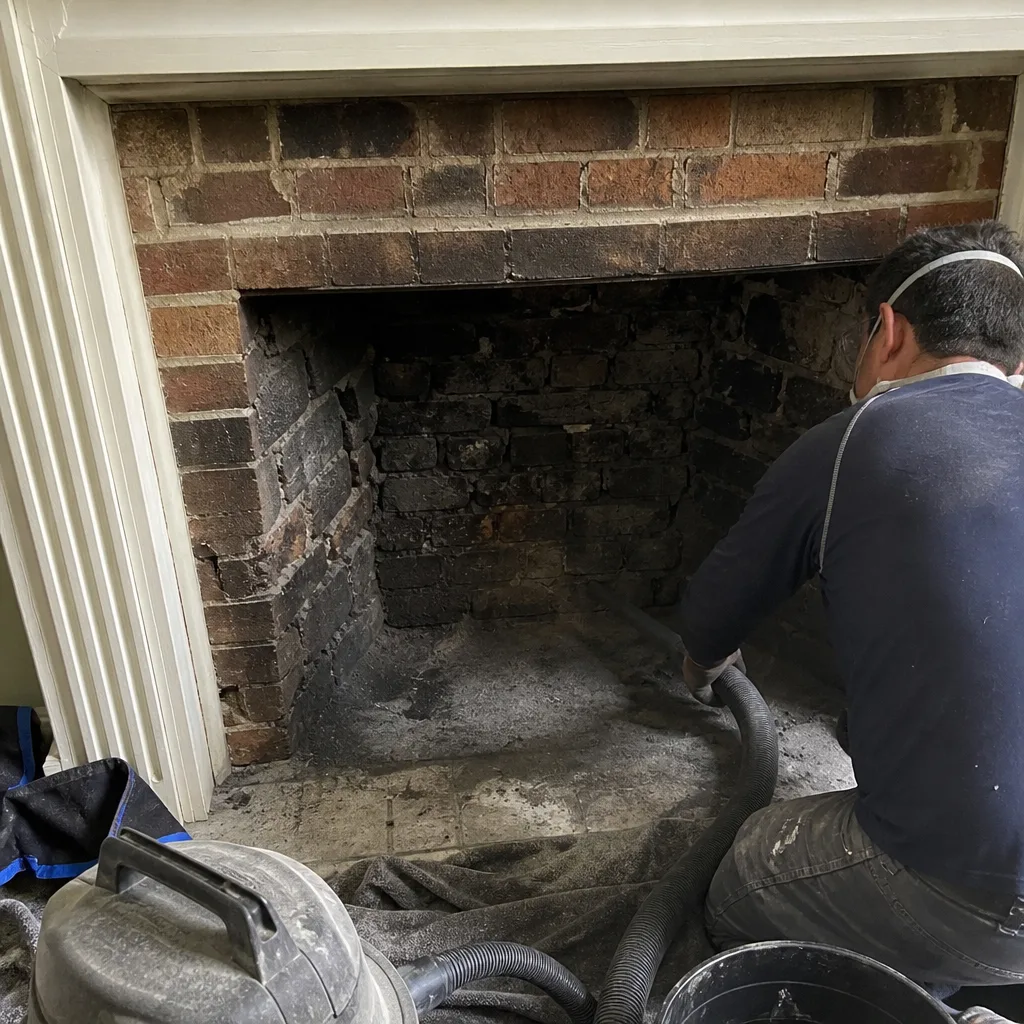 Before
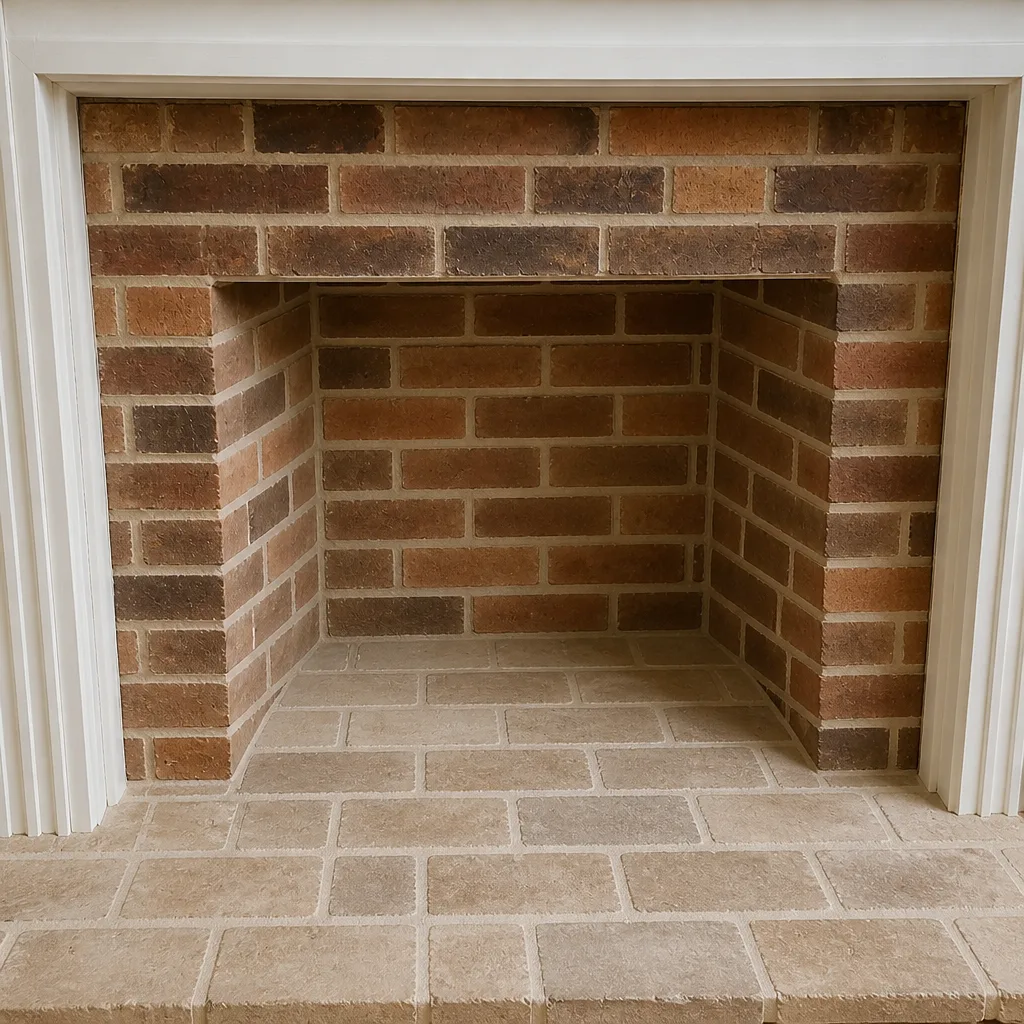 After
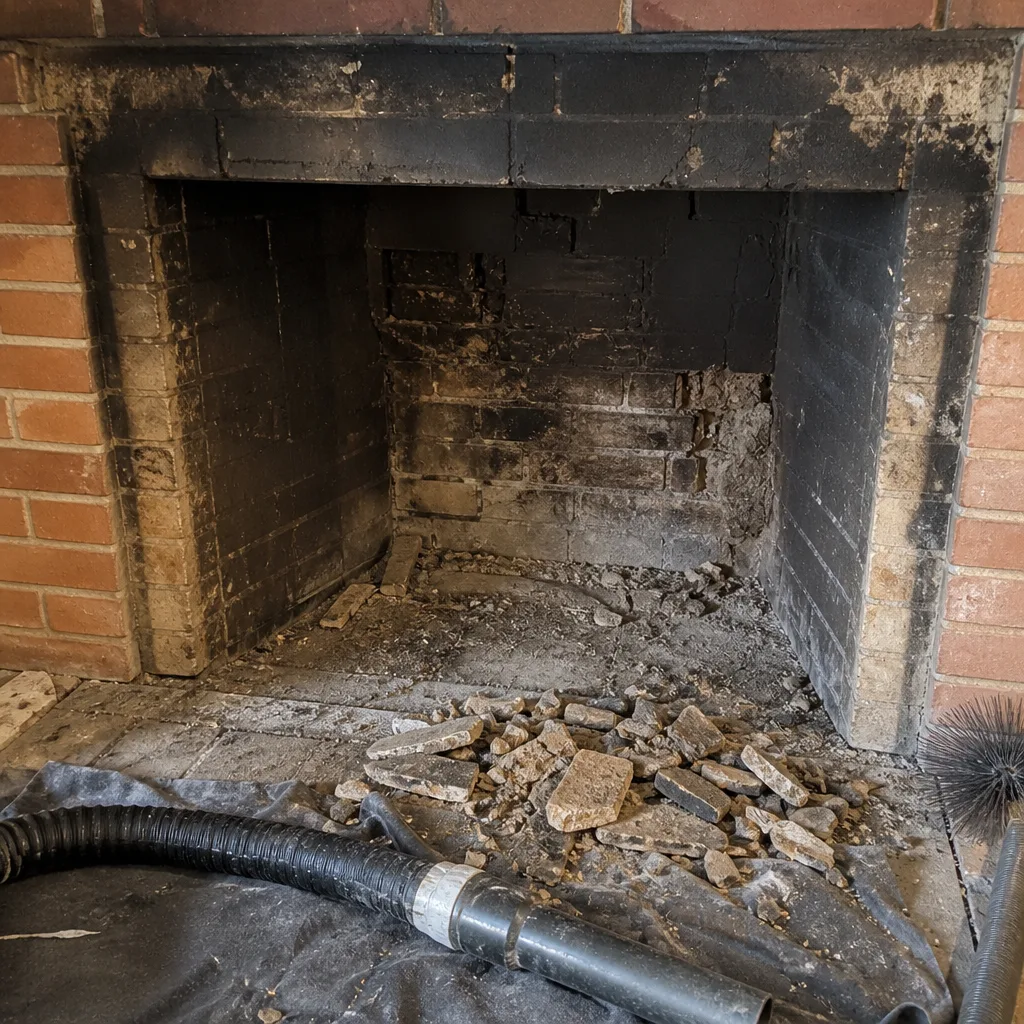 Before
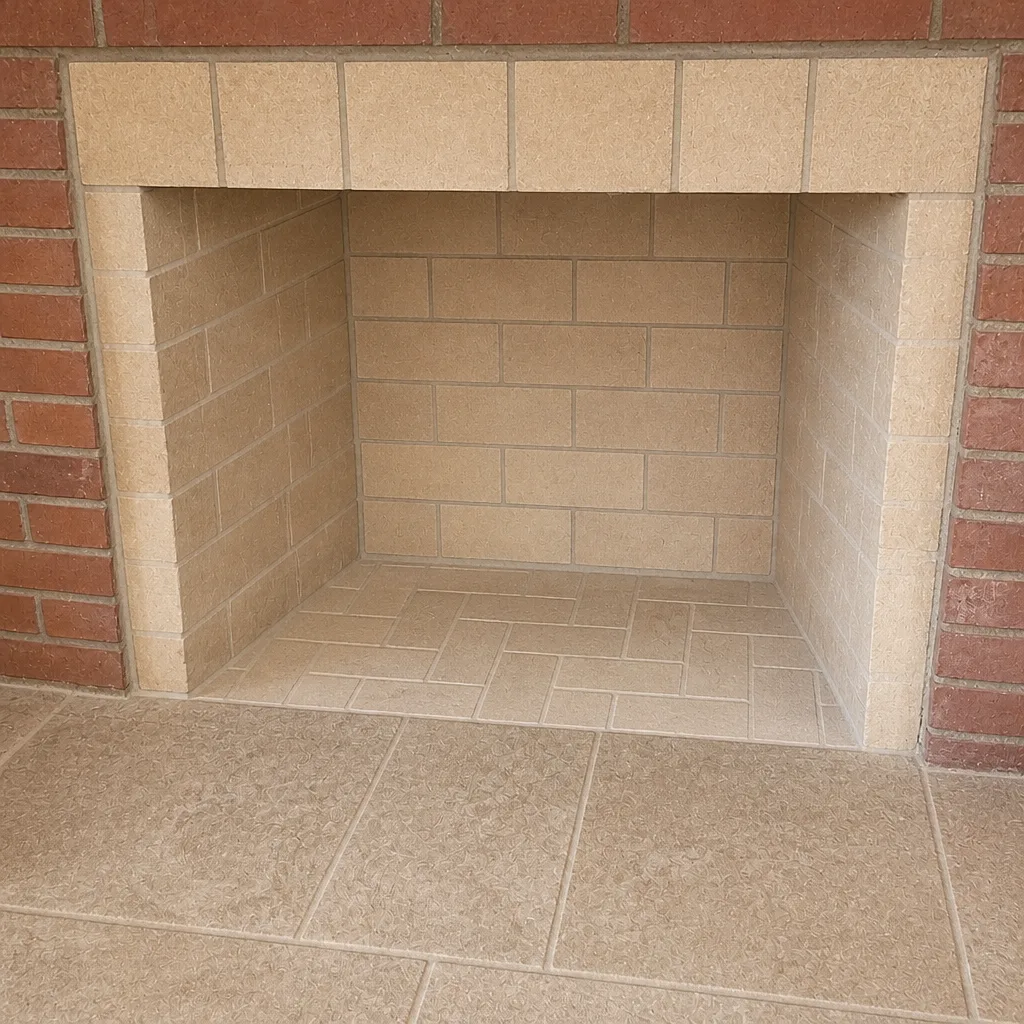 After
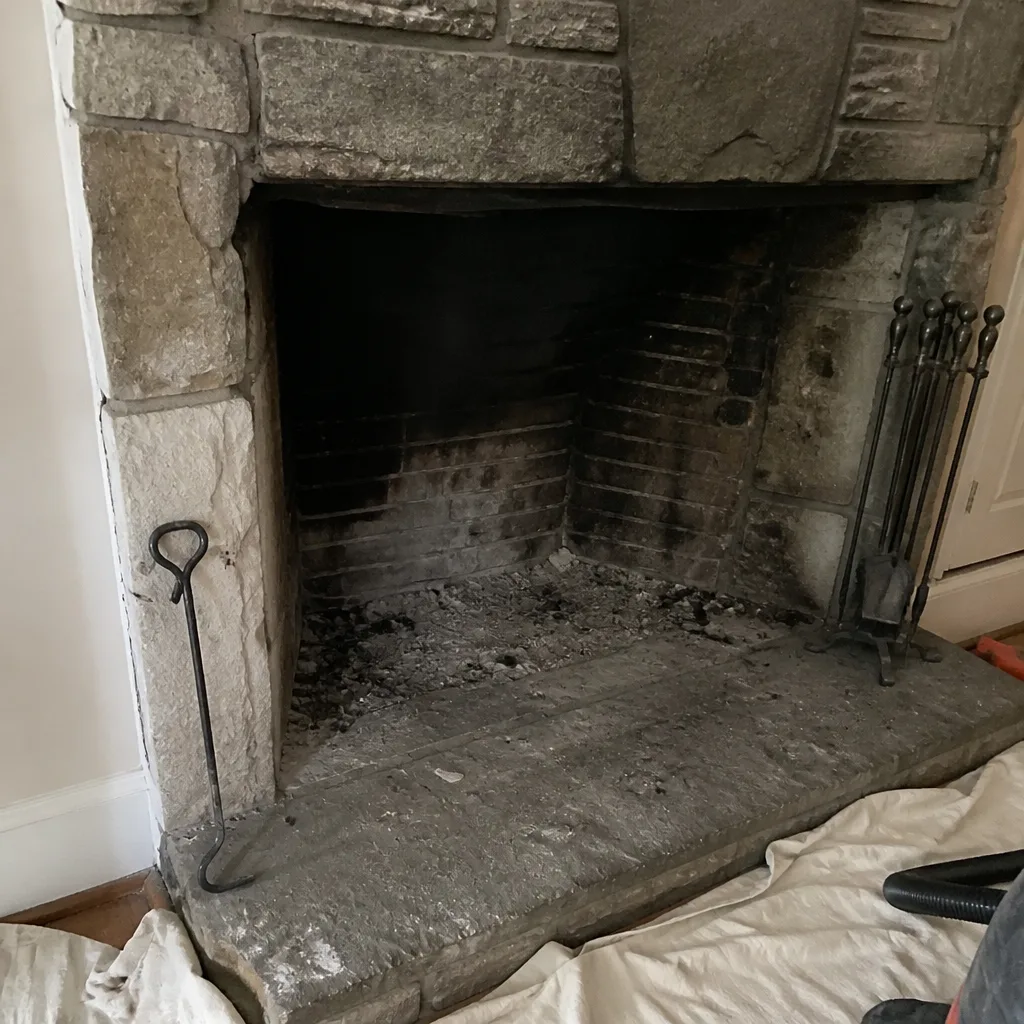 Before
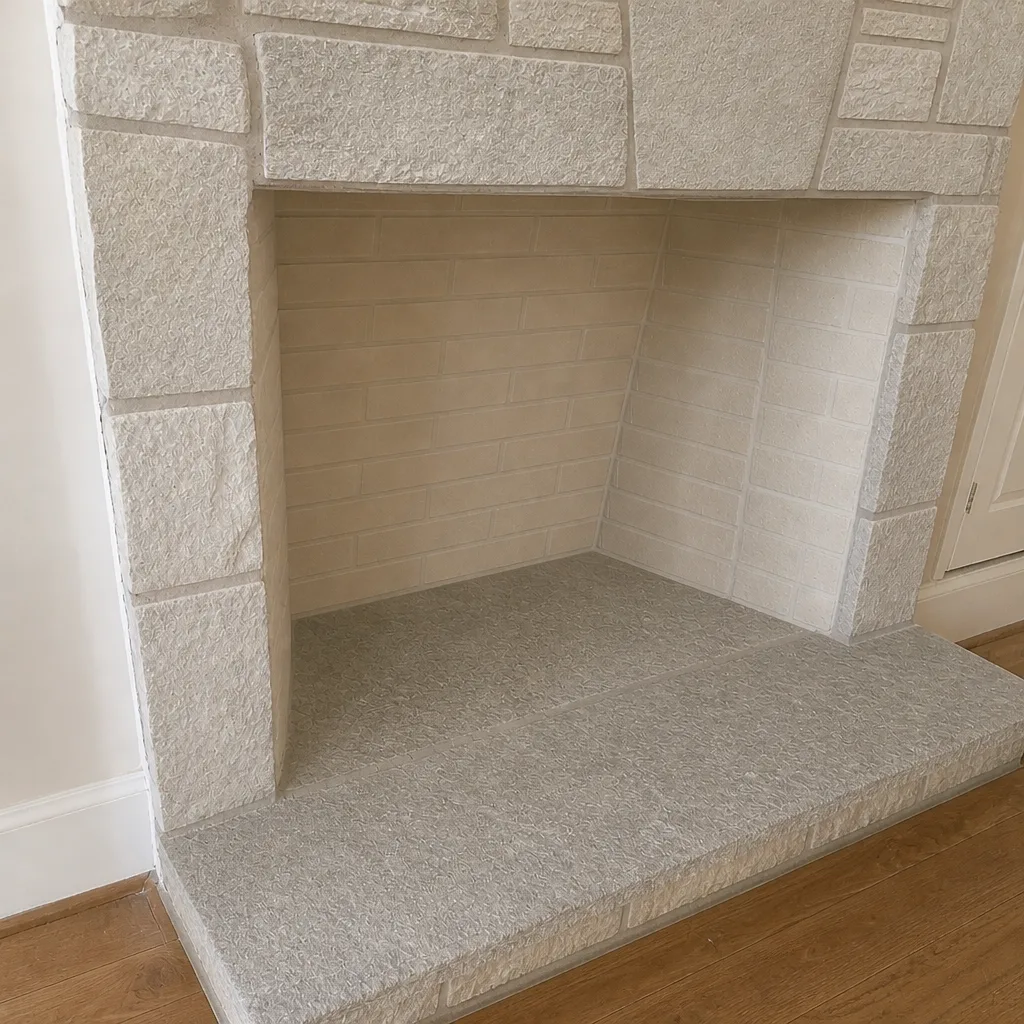 After
Frequently Asked Questions
Based on our typical estimates for this area, a standard chimney sweep runs roughly $180 to $340, with the final price set by the written estimate after an in-person assessment. Inspection-only visits and repair work are quoted separately. A sweep priced without anyone looking at the flue isn’t a real number. Call (833) 309-7302 for an exact quote, estimates are free.
CSIA certification is the strongest single indicator of individual competence, and it’s worth requiring. Virginia licensing tells you the business is accountable to a state agency, but it doesn’t confirm the person at your door has been trained in chimney systems. Ask for the technician’s name and verify the certification directly. Both checks together give you a clearer picture than either one alone.
A written report of findings and photographic documentation of the flue are the minimum, and you should expect both. Before-and-after images prove the cleaning actually happened. The written report records creosote conditions and any problems found, which is what you’ll refer to next season. If all you get is a receipt, follow up and ask for the report.
No, and it shouldn’t be treated as one. A legitimate price requires someone to see the flue, the firebox, and the termination before committing to a number. Phone quotes are estimates at best and guesses at worst. Expect a firm price only after an in-person assessment, and be wary of anyone who offers one without it.
Under normal use, once a year is the standard guidance, and every season of burning should come with a cleaning. If you’re burning heavily, or notice a strong smoky odor on warm days, have it looked at sooner. Arlington homes with older masonry can accumulate creosote differently than newer construction, so an annual assessment is the reliable way to know your specific chimney’s condition.
Creosote builds up with every fire, and heavier accumulation raises the fire hazard in the flue. It also hides developing problems: a cracked liner, a failing crown, or damaged mortar joint goes unnoticed until something fails. Skipping a year doesn’t cause damage instantly, but it removes the early warning that makes small repairs cheap. Call (833) 309-7302 to book an assessment, estimates are free.
The Bottom Line
Hiring a chimney sweep in Arlington comes down to filtering for competence before you compare cost. Verify CSIA or NFI certification by name, check the Virginia licensing database and confirm the classification actually covers chimney work, and ask for a certificate of insurance. Then ask the five phone questions, especially whether the company handles sweeping, inspection, and repair as one service. Expect an in-person assessment before any firm price, insist on photo documentation, and treat a written report as the deliverable you’re paying for. Do that in that order and the price comparison becomes the easiest part of the process.
Sentry Chimney Sweep works with professional-grade materials from manufacturers like Arlington-area homeowners have relied on, including HeatShield and Gelco, and our technicians have up to 11 years of experience. Sweep, inspect, repair, one call. Call (833) 309-7302 for a free estimate. We answer 24/7. Fast dispatch from 7am to 7pm, Sunday through Friday.
Written by the team at Sentry Chimney Sweep.