
Last updated November 15, 2026
 Sweep & inspection
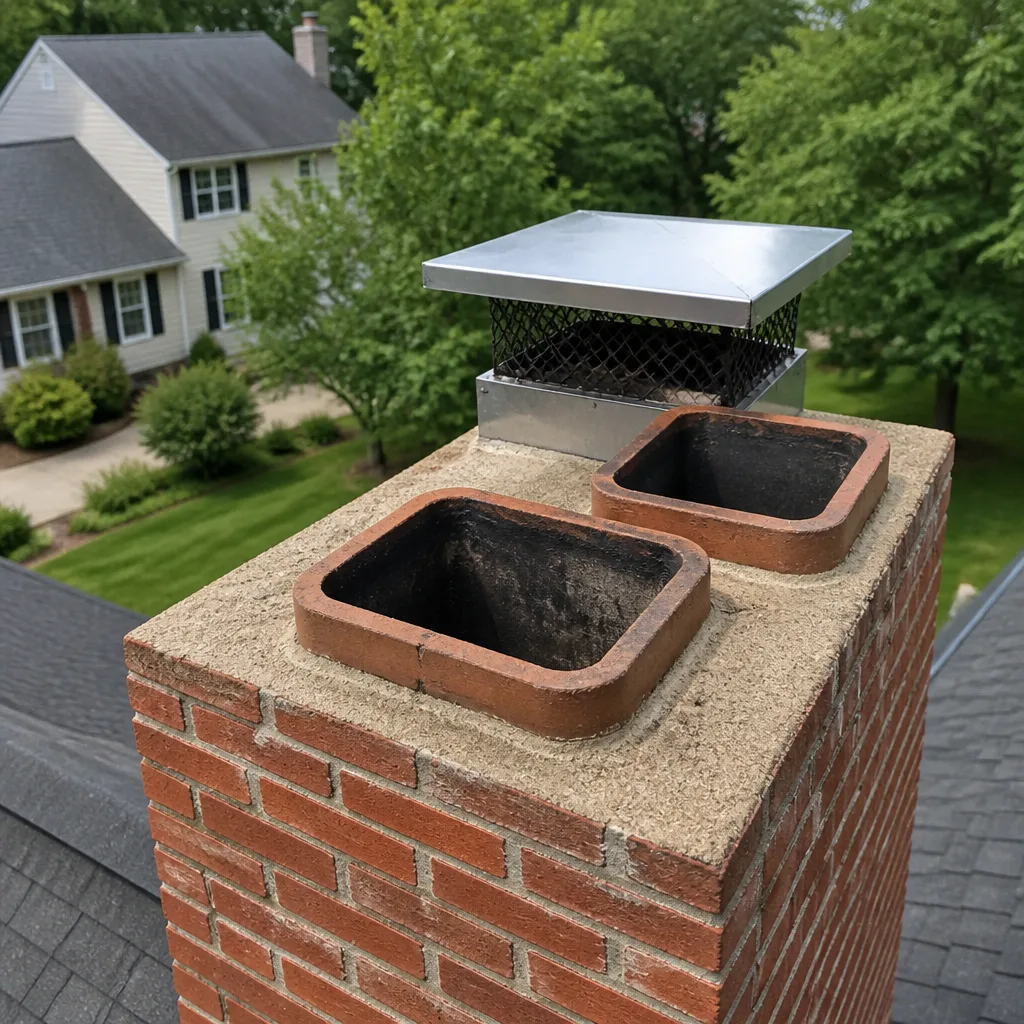
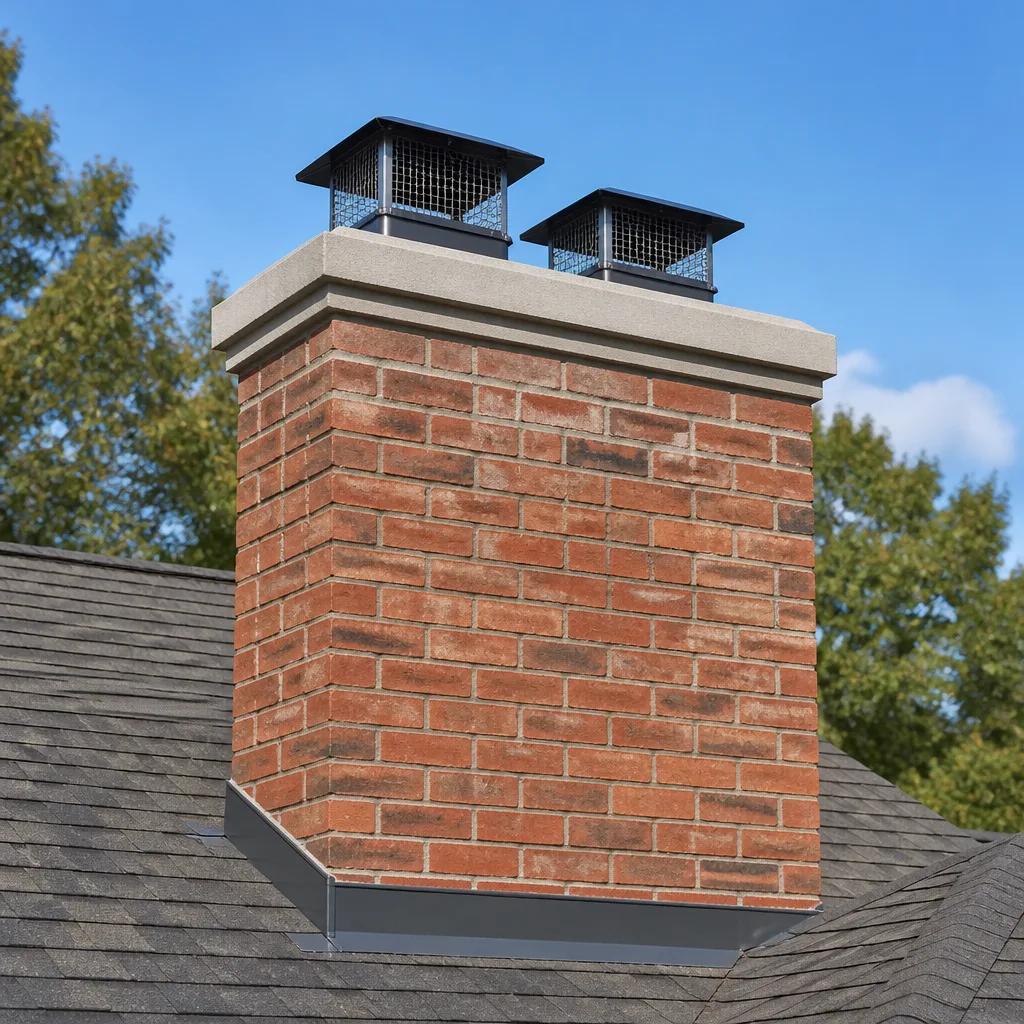 Caps & crowns
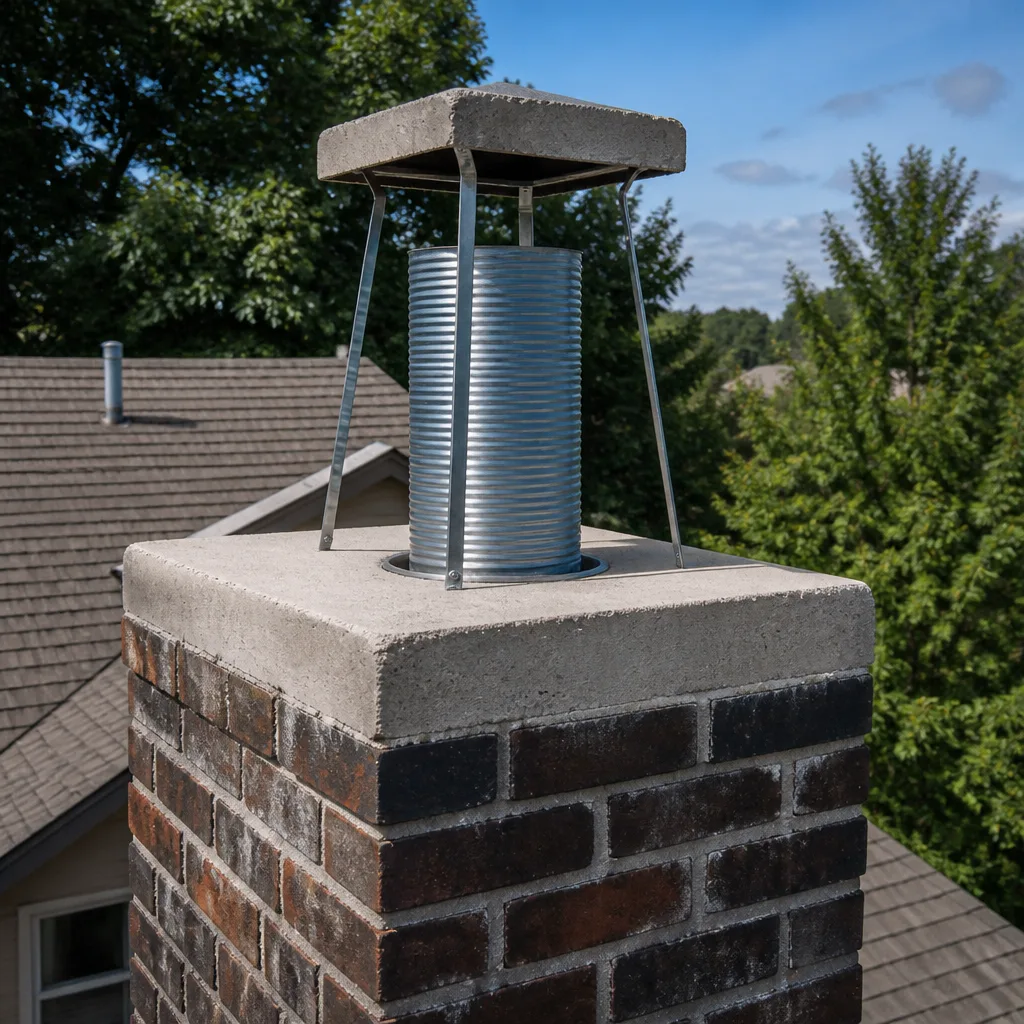 Flue relining
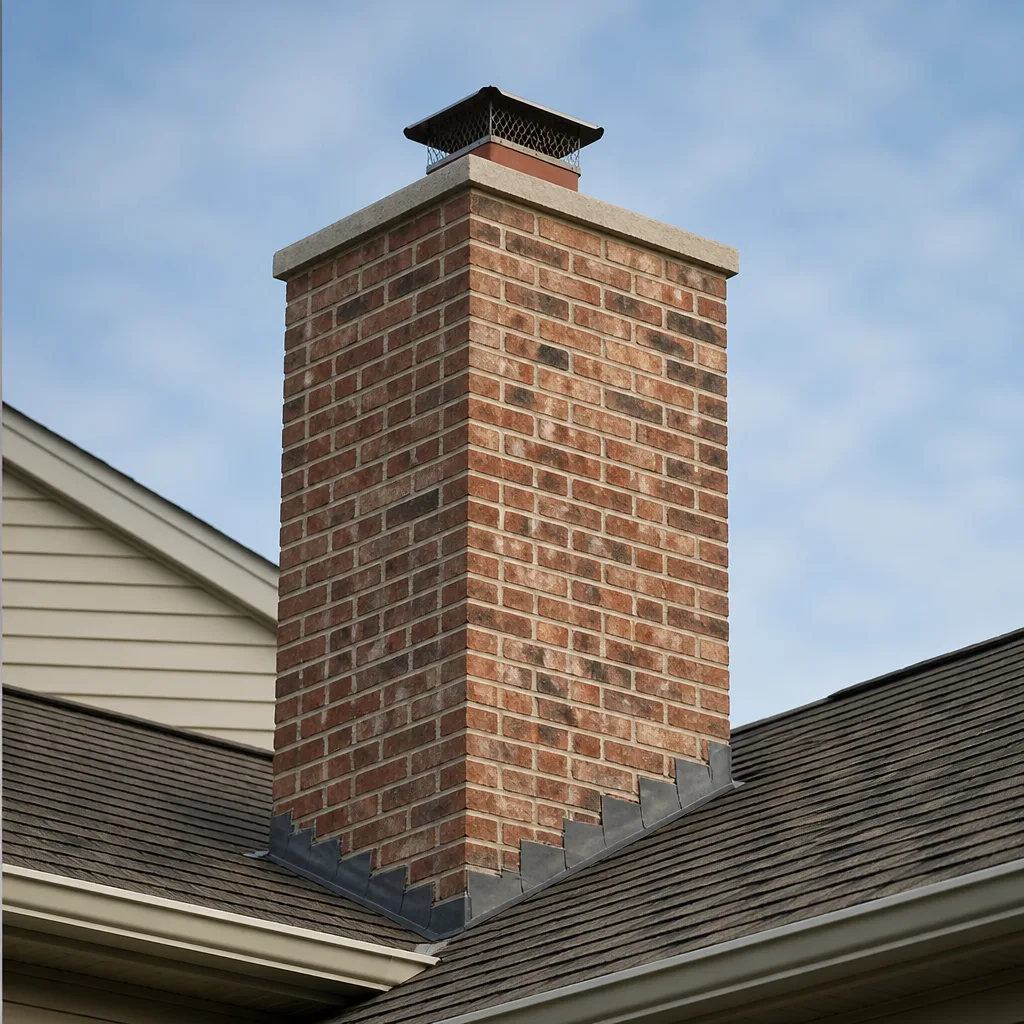 Masonry repair
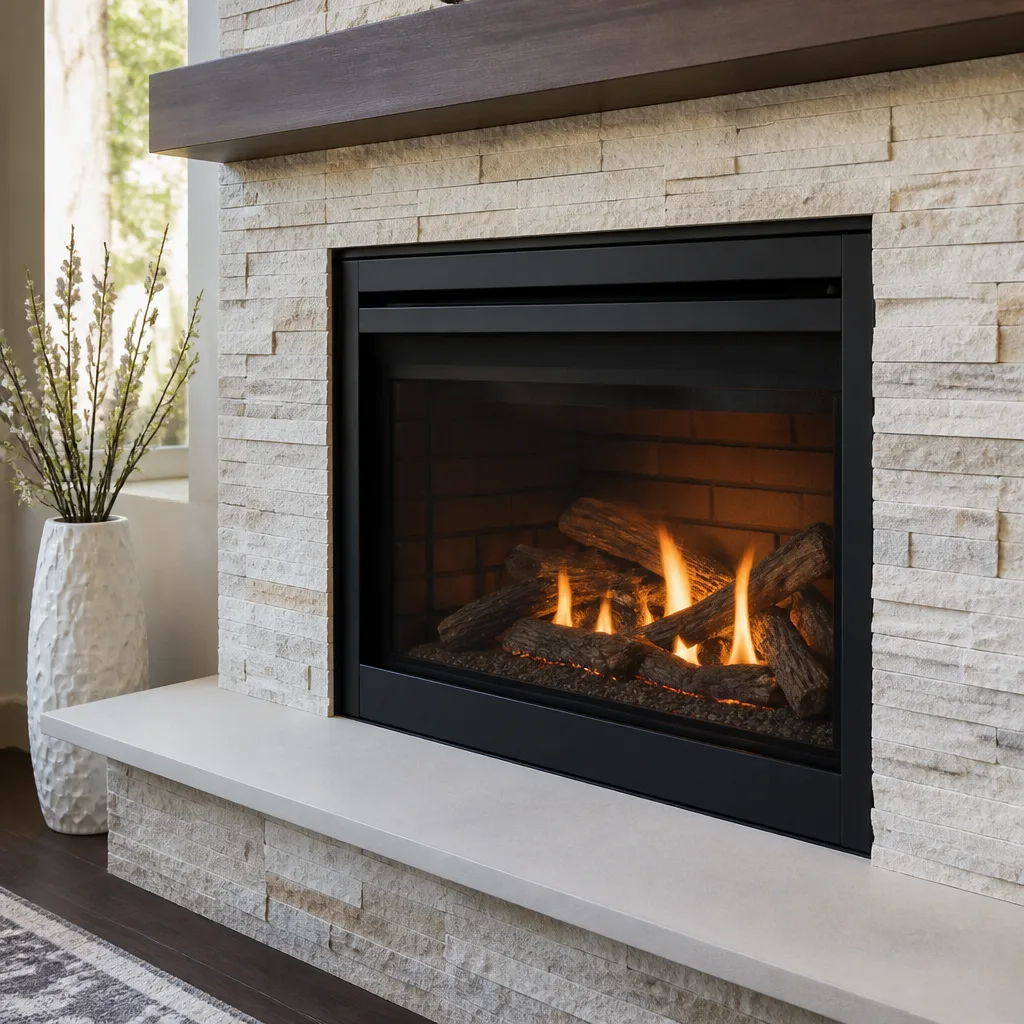 Gas fireplace service
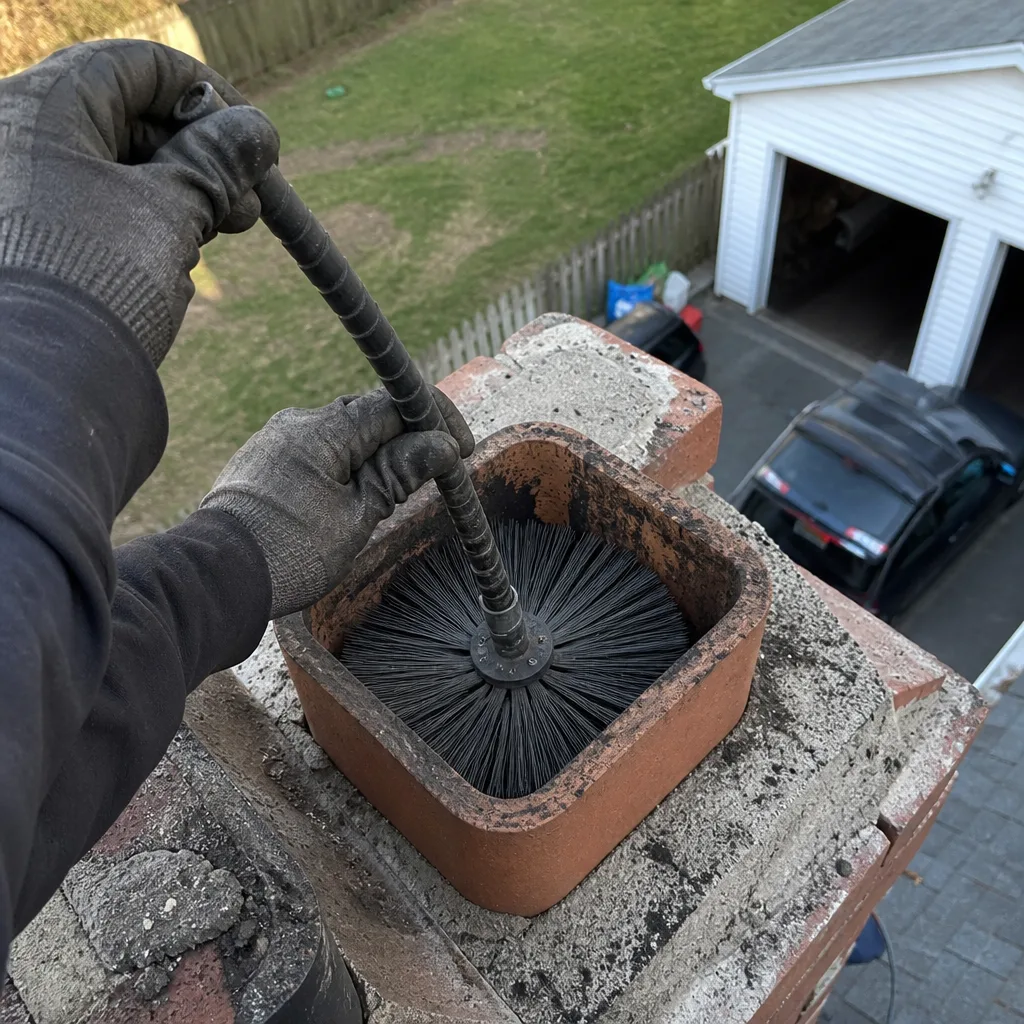
Level 1 sweep and inspection to the NFPA 211 annual standard - flue, crown, cap, and flashing checked and photographed
Chimney sweep logs do not sweep chimneys. They loosen some creosote - which then falls where a brush and vacuum still have to collect it.
DIY vs Professional Chimney Cleaning: The Arlington Homeowner’s Decision Guide
You can buy the same brushes a chimney sweep uses. What you can’t buy at a hardware store is the video camera that sees around a flue offset, the training to read what that footage is actually telling you, and the liability protection that matters if something gets missed. That’s the real gap between a Saturday spent on a ladder and a professional sweep. This guide walks through what an Arlington homeowner can honestly accomplish with consumer tools, where the limits actually sit, and the one narrow situation where a careful DIY interim cleaning makes sense. We’ll also cover why the calculus is different in Arlington’s older housing stock, what a skipped inspection means for a fire claim, and how to decide with your eyes open.
Quick Answer
A homeowner with the right brushes, drop cloths, and a safe roof or damper access can remove loose soot and surface creosote from a straight flue. What DIY cannot do is evaluate the flue’s interior condition, which is the part that determines whether your chimney is safe to use. Professional cleaning pairs mechanical sweeping with a camera inspection and a written assessment of what it finds, and that inspection is the piece that protects both your home and your insurance claim.
Styles & brands we work with
- Sweep & inspection
- Caps & crowns
- Flue relining
- Masonry repair
- Gas fireplace service
Table of Contents
- What a Careful Homeowner Can Actually Accomplish
- The Inspection Gap: Why Soot Removal Isn’t the Whole Job
- Why Arlington’s Older Housing Stock Changes the Math
- The Liability and Insurance Dimension
- The One Scenario Where DIY Interim Cleaning Makes Sense
- What Professional Cleaning Costs in Arlington
- How Often Should an Arlington Chimney Be Swept?
- How to Choose a Chimney Professional
What a Careful Homeowner Can Actually Accomplish
Consumer chimney kits are not toys. A polypropylene brush sized to your flue, extension rods, a shop vacuum rated for fine ash, and drop cloths can do real work on a straight, accessible flue with a moderate soot load. If you’ve burned a cord of seasoned hardwood and the flue has a light dusting of soft soot, a careful homeowner can knock that down and vacuum it out. We won’t pretend otherwise.
Where it stops is more useful to understand than where it works. Here’s what a consumer kit cannot reach or read:
- Offsets and bends. A straight brush follows a straight line. A flue that jogs around a framing member or an old chimney shoulder leaves the far side of the bend untouched, and that’s exactly where creosote accumulates.
- Glazed creosote. Stage 3 creosote is a hardened, tar-like deposit that bonds to the flue wall. A consumer brush skips over it. Removing it takes specific tools and, in technical terms, a lot of patience.
- The smoke chamber. The sloped area above the damper is where a lot of creosote collects and where most consumer brushes never reach, because it requires a dedicated tool and the right angle.
- Mixed and masonry flues. Older Arlington homes often have flue tiles with deteriorated mortar joints. A brush that catches a failed joint can crack it or pull it loose. A sweep knows how to sweep without doing damage, and knows to stop when the flue can’t take it.
- The crown, cap, and flashing. The roof-side inspection is half the job. Water intrusion around a failed crown or flashing is one of the most common causes of long-term chimney damage in this area’s freeze-thaw winters, and it has nothing to do with soot.
So the honest capability assessment breaks down like this: soot removal is achievable. Creosote evaluation, structural assessment, and the roof-side inspection are not. If your only goal is knocking down loose soot between professional sweeps, DIY can do it. If your goal is knowing whether the chimney is safe, it can’t.
The Inspection Gap: Why Soot Removal Isn’t the Whole Job
Removing soot is a cleaning task. Evaluating what’s behind the soot is a diagnostic task, and diagnostic tasks need diagnostic tools. This is the part of the DIY debate that gets skipped in most online conversation, and it’s the part that matters most.
A professional inspection at minimum involves a video scan of the flue interior. A small camera on a flexible rod travels up the flue and lets the technician see cracked tiles, gaps at mortar joints, missing mortar, offsets where creosote has collected, and liner damage that’s completely invisible from the firebox. Consumer chimney kits don’t include a camera. Even the best flashlight and mirror setup can only see where the light reaches, and around that first offset, it doesn’t.
Here’s what that inspection surface actually tells you, section by section:
- Flue tiles and joints. Hairline cracks in clay tiles are common in older masonry chimneys. Once the tile fails, heat and gases reach the surrounding masonry and framing.
- Creosote stage. Soft, flaky soot, crunchy stage 2 creosote, and glazed stage 3 each call for a different approach. A technician knows within a minute of looking which one you have.
- The smoke chamber. Sloped walls that collect creosote and are hard to clean without the right tool. It’s a common failure point.
- The damper and firebox. A damper that doesn’t seal, or firebox mortar that’s failing, are structural concerns the sweep documents and recommends for chimney repair.
- The crown, cap, and chase cover. Roof-side. Cracked crown and a missing cap let water in, and water is the slow enemy of every chimney in Arlington.
What you get from a professional inspection isn’t a pitch. It’s a documented assessment, often with photos, so you can see what the technician saw. Our technicians have up to 11 years of experience reading those scans and knowing when a finding is urgent, when it can wait, and when it doesn’t need work at all.
Why Arlington’s Older Housing Stock Changes the Math
The DIY question isn’t abstract. Where you live in Arlington matters a great deal. Most of Arlington’s housing was built before 1980. Neighborhoods like Ashton Heights, Lyon Village, Ballston, Cherrydale, and the areas around Clarendon are full of homes from the decades between the wars and the mid-century boom, and many of those chimneys were built to standards that predate modern liner requirements. Some have been upgraded. Some haven’t.
That has practical consequences for anyone thinking about cleaning a chimney themselves:
- Clay tile flues with original mortar. Common in older Arlington masonry chimneys. The joints between tiles are the weakest point, and a consumer brush can pop a deteriorated joint loose without warning. That turns a sweep into a repair.
- Unlined or partially lined flues. A category of problem that only a camera catches. If the flue has no liner at all, the chimney doesn’t safely vent a modern appliance, and no amount of brushing changes that fact.
- Chimneys shared with heating equipment. Many Arlington homes vent a furnace or water heater through a chimney flue. Those flues need evaluation specific to the appliance, not just sweeping.
- Freeze-thaw winters. Northern Virginia’s winter cycle of freezing nights and thawing days works on mortar and crowns. A crack that starts in a crown can become a spalled brick over a few seasons. The roof-side inspection is where that gets caught early.
- Prior renovations. Chimneys in Arlington’s older homes have often been modified, shortened, relined, or repurposed. What the original builder installed and what’s there now are frequently not the same thing.
In a newer build in, say, the outer edges of Arlington County, the chimney is more likely to have a modern liner and a straight shot to the top. The DIY case is less bad there. But for a pre-1980 home, the flue is a system with unknowns, and the unknowns are what the professional inspection is for. That’s the argument you’ll hear from any serious chimney specialist, and it’s the one we’d make regardless of whether you hire us. If you want a professional assessment on an older Arlington flue, Sentry Chimney Sweep schedules inspections and can tell you what the camera actually shows.
The Liability and Insurance Dimension
Here’s where the DIY conversation usually gets uncomfortable, and it’s worth being direct. If a chimney fire happens and the homeowner’s insurance carrier opens a claim, one of the first questions a claims adjuster will ask is what maintenance the chimney received and who did it. A self-swept chimney with no documented inspection is a documentation gap. We’re not telling you what your specific policy requires, because that’s between you and your insurer, but we can tell you what homeowners routinely run into.
Three practical points to understand:
- Documentation matters. A written inspection report with photos establishes a maintenance record. If a problem was found and corrected, that’s documented. If the chimney was cleared, that’s documented. The record is the point.
- Policy renewal questions. Some carriers now ask homeowners about chimney maintenance, especially on older homes. A recent inspection report answers that question cleanly.
- No coverage for the un-inspected. Carriers distinguish between a chimney that was professionally evaluated and one that wasn’t. That distinction can affect how a claim gets handled, though the specifics depend on your policy. Read it, and ask your agent.
The real point is this: a professional sweep and inspection isn’t just about cleaning the flue. It’s about establishing that you took the maintenance seriously, on the record, with a professional who can be accountable for the work. That record is a quiet asset every year.
The One Scenario Where DIY Interim Cleaning Makes Sense
We’re not going to tell you to never pick up a brush. There is a narrow situation where an interim DIY cleaning is genuinely reasonable, and it’s worth spelling out precisely because most chimney companies won’t describe it.
DIY interim cleaning is reasonable when all of the following are true:
- You’ve already had a professional inspection within the last year that confirmed the flue is intact, straight enough to brush, and doesn’t have glazed creosote.
- You’re clearing light, soft soot from a flue that was professionally swept recently, not attempting to handle accumulated creosote.
- The chimney is accessible safely. That means roof access you’re confident in, on a dry day, with the right ladder and no height anxiety. If there’s any doubt, don’t.
- You have the right tools sized to your flue, plus a HEPA-rated shop vacuum and proper drop cloths so you don’t spread fine ash through the house.
- You’ll still schedule the professional inspection on its regular interval, because the soot you removed doesn’t tell you anything about whether the flue is still safe.
If any of those conditions isn’t in place, DIY is the wrong call. And if your chimney hasn’t been professionally inspected in a couple of seasons or more, the first step isn’t a brush, it’s an inspection. Our chimney sweep in Arlington includes a camera inspection and a photo report as part of the visit, so you know exactly what you’re working with before any brush comes off the wall.
What Professional Cleaning Costs in Arlington
Cost is often the real reason homeowners think about DIY, so let’s be specific about what professional service typically runs. The figures below are typical ranges for this market, not quotes. The written estimate on your specific chimney sets the final price.
- Standard chimney sweep (cleaning plus a basic visual inspection): typically $180 to $340.
- Sweep plus a Level 2 camera inspection (the standard for homes with a fireplace in regular use): typically $250 to $450.
- Creosote removal beyond standard light soot, including glazed creosote, priced per job by the written estimate based on how much is there.
- Repairs found during the inspection (crown, mortar, liner, chase cover) quoted separately with photos and product specifications.
Contrast that against the cost of a repair caused by a missed finding. A cracked flue tile that goes unaddressed and reaches the surrounding masonry isn’t a cleaning problem anymore. It’s a rebuild. DIY saving on the front end usually comes from the cleaning line item, not the inspection, and the inspection is the higher-value part of the visit. Repairs done right use professional-grade materials, which is why we work with brands like HeatShield for resurfacing and DuraFlex for liner systems. Those aren’t available in consumer kits, and they aren’t interchangeable with off-the-shelf patches.
How Often Should an Arlington Chimney Be Swept?
The widely cited industry guidance is to sweep a chimney once a year for a home that burns regularly, and to sweep whenever a quarter-inch or more of soot has accumulated. Beyond that general rule, the specifics in Arlington push toward the annual professional inspection for a few reasons:
- Burn volume matters. A household that burns a cord or more each winter needs the annual sweep. A home that lights the fireplace a handful of times a year may stretch to every other year, but only after a professional has said so, not before.
- Appliance chimney flues need it too. If your furnace or water heater vents through a chimney, that flue needs evaluation on its own schedule. This one catches people out.
- Creosote doesn’t announce itself. The stage 3 deposit that most warrants removal is the one that looks fine from the firebox.
- Winter comes hard enough here. The freezing cycle does its own work on the roof-side masonry, and catching crown and flashing failures before they turn into water damage is part of the annual look.
If it’s been more than a year since the last sweep and inspection, the honest answer is now, before another heating season starts, not after. Fall is when Arlington chimneys get busiest, and scheduling early is easier than scheduling in October.
How to Choose a Chimney Professional
If you’re going professional, the choice between companies matters as much as the choice between DIY and professional. Chimney work attracts a lot of generalist handymen who list it as a line item. A dedicated chimney specialist will look different in four ways.
Ask these questions before booking:
- Do you include a camera inspection with the sweep? If the answer is no, the sweep is cleaning without evaluating, and the evaluation is the point.
- Do you provide a written report with photos? A professional assessment is documented. Verbal findings disappear.
- What products do you use for repairs? Named professional-grade brands such as HeatShield, DuraFlex, Famco, and Copperfield tell you the technician is using trade-standard materials. No answer, or “whatever’s available,” is a warning sign.
- Do you offer the full service? Sweeping, inspection, and repair from one company means you’re not managing the back-and-forth between a cleaner and a mason. The specialist who saw the problem fixes the problem.
A dedicated chimney specialist also carries the training to know when a repair can wait. That’s worth a lot in this trade. Not every crack in a crown needs a rebuild, and not every liner needs replacing. A specialist who tells you “this can wait until spring” is showing you they’re pricing the work, not selling it. This is what we mean when we say our job is to protect the home, not to book the biggest job on the schedule.
Common Mistakes to Avoid
- Cleaning without inspecting. Sweeping soot is not the same as evaluating safety. If you clean and stop there, you’ve removed a layer, not confirmed a chimney is safe.
- Brushing a flue you haven’t inspected. In older Arlington homes especially, unknown flue tile condition is a reason to have a professional look before a brush catches a failed joint.
- Using a shop vacuum not rated for fine ash. Ordinary vacuums exhaust fine soot back into the room. You want a HEPA-rated unit, or you’ve just moved the mess.
- Ignoring the smoke chamber. The sloped area above the damper collects creosote, and most consumer brushes never reach it. If you can’t clean it, you’ve cleaned the flue and left a problem in place.
- Skipping the roof-side look. Crown, cap, and flashing failures are the slow cause of more chimney damage around Arlington than fire does. If you only sweep the flue, you’ve looked at half the system.
- Burning unseasoned wood to “make the job easier.” Green or damp wood deposits more creosote, and more creosote means more frequent sweeps. Seasoned hardwood is the cheaper path.
- Treating a recent insurance question as an emergency. If your carrier asked about maintenance, call a specialist and schedule a proper visit. Don’t panic-sweep. The documentation matters more than the speed.
See the difference
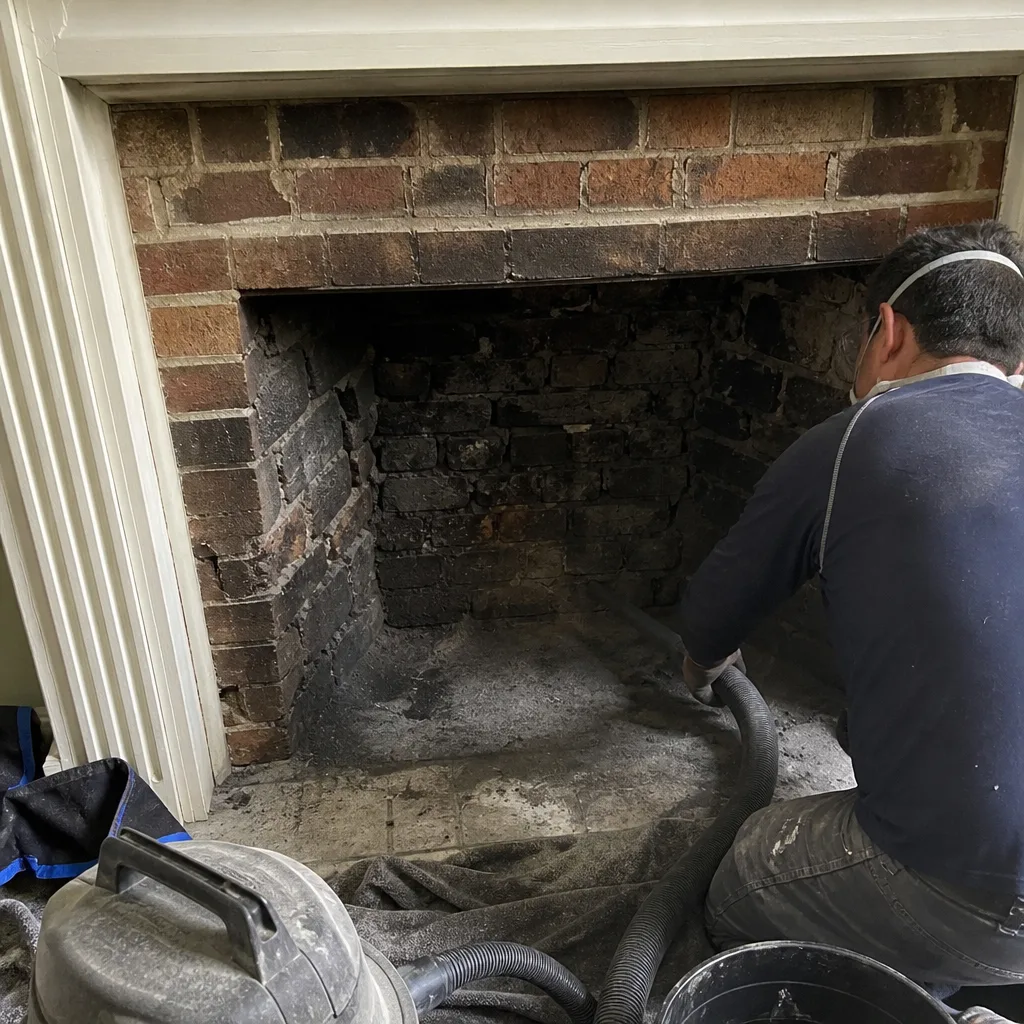 Before
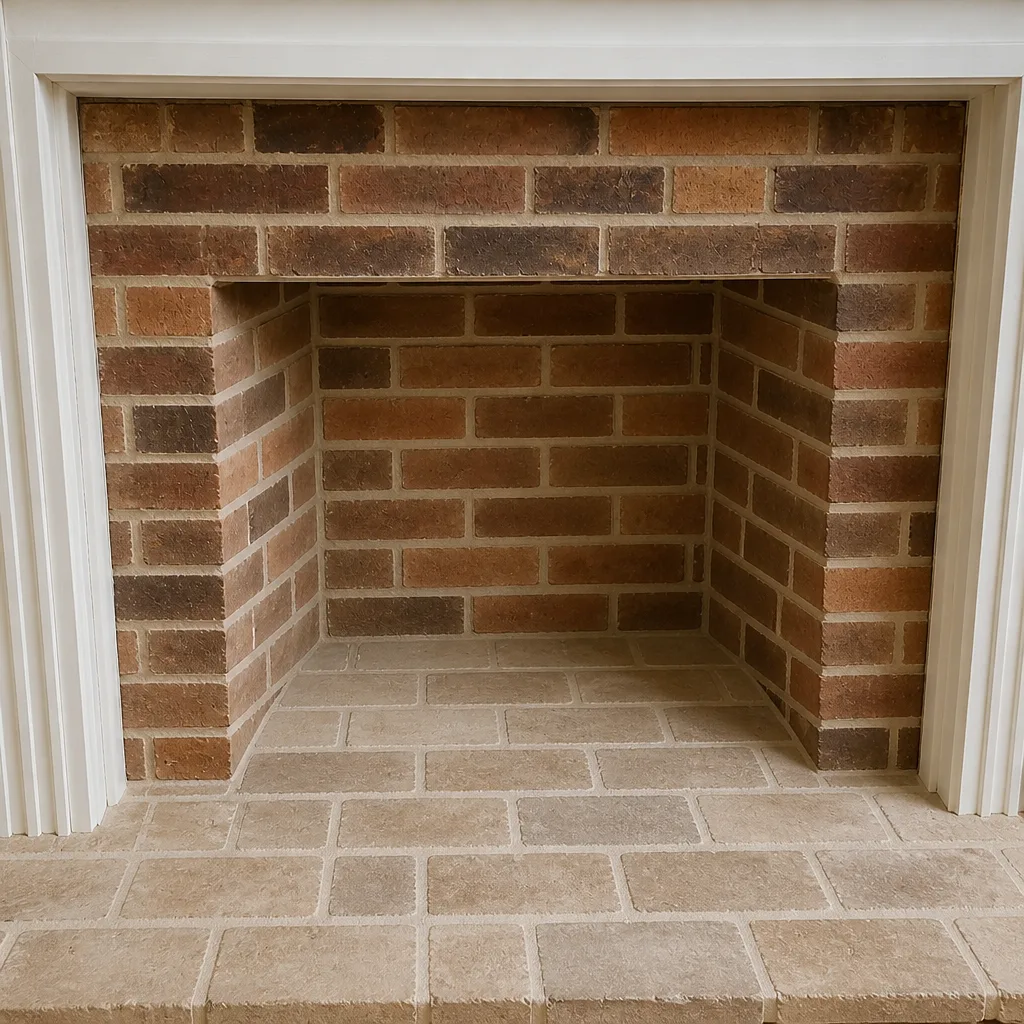 After
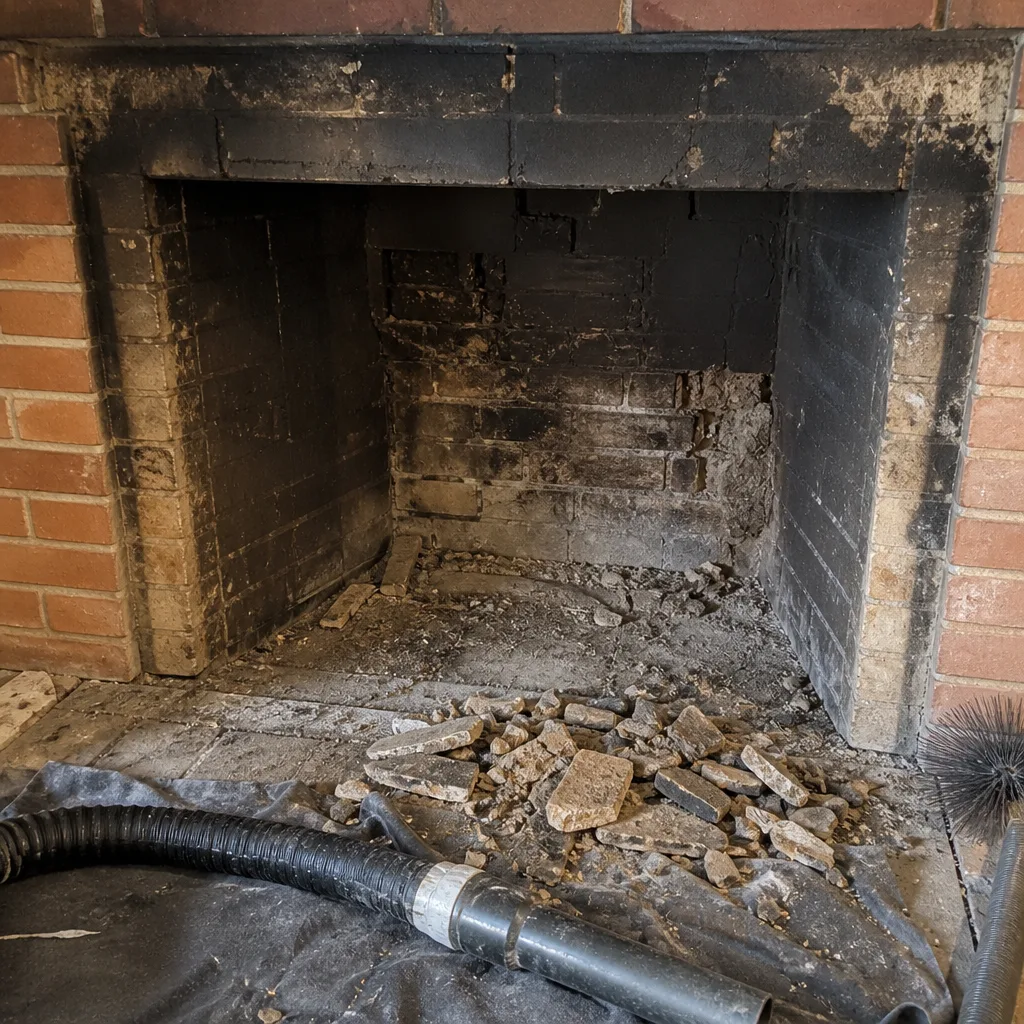 Before
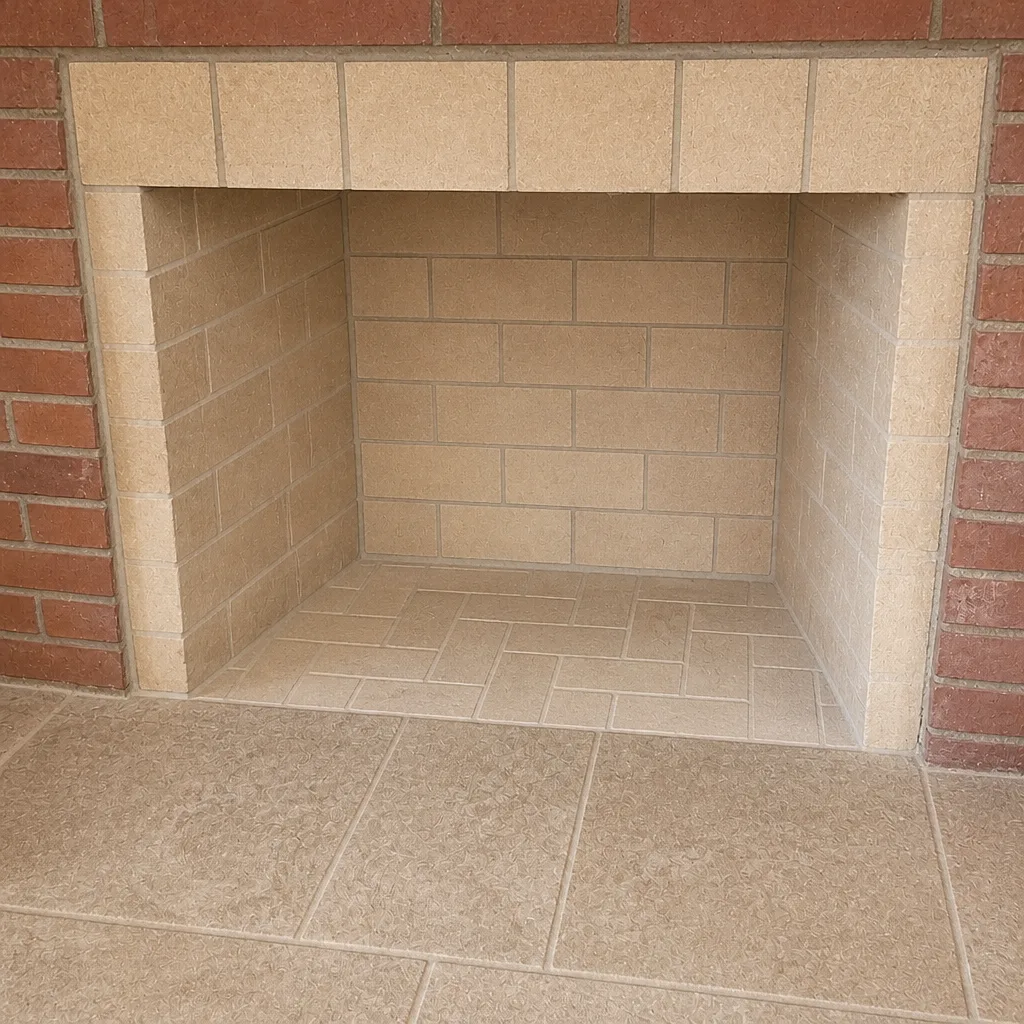 After
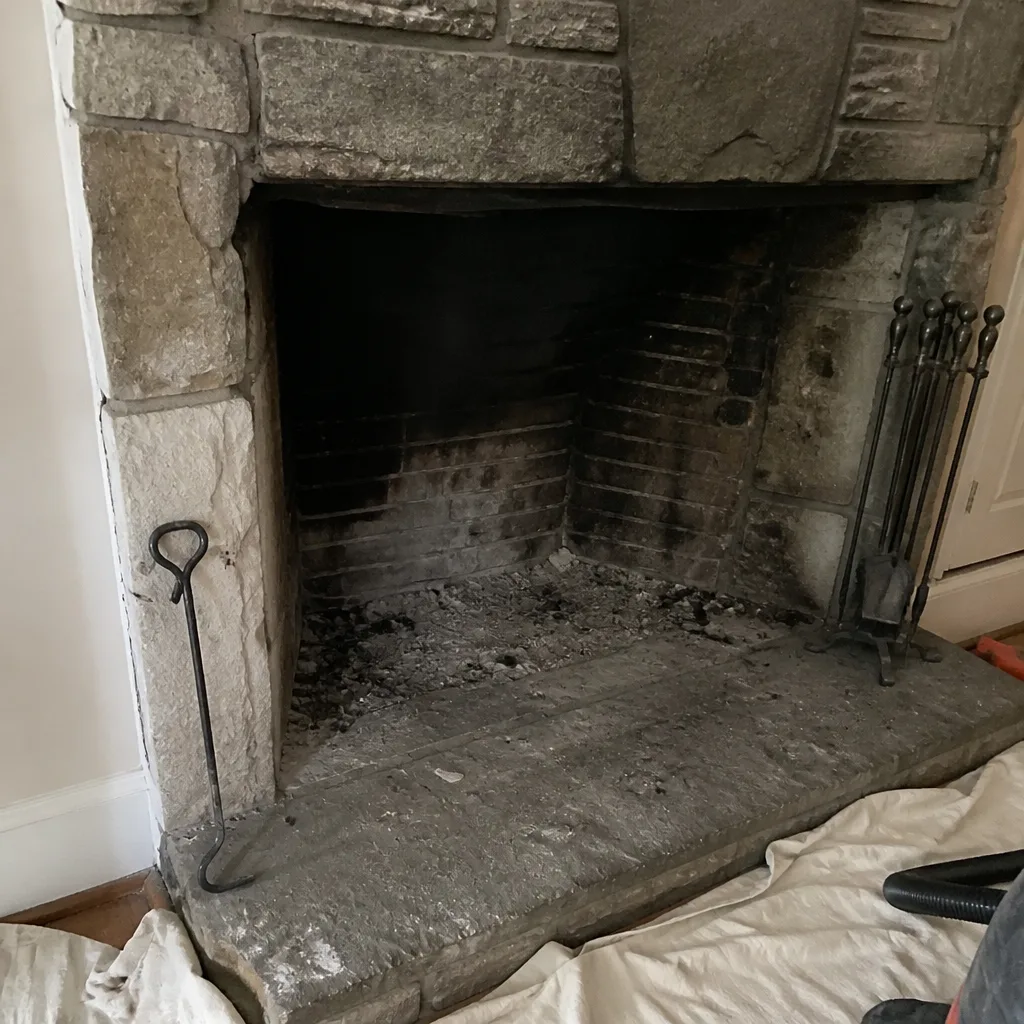 Before
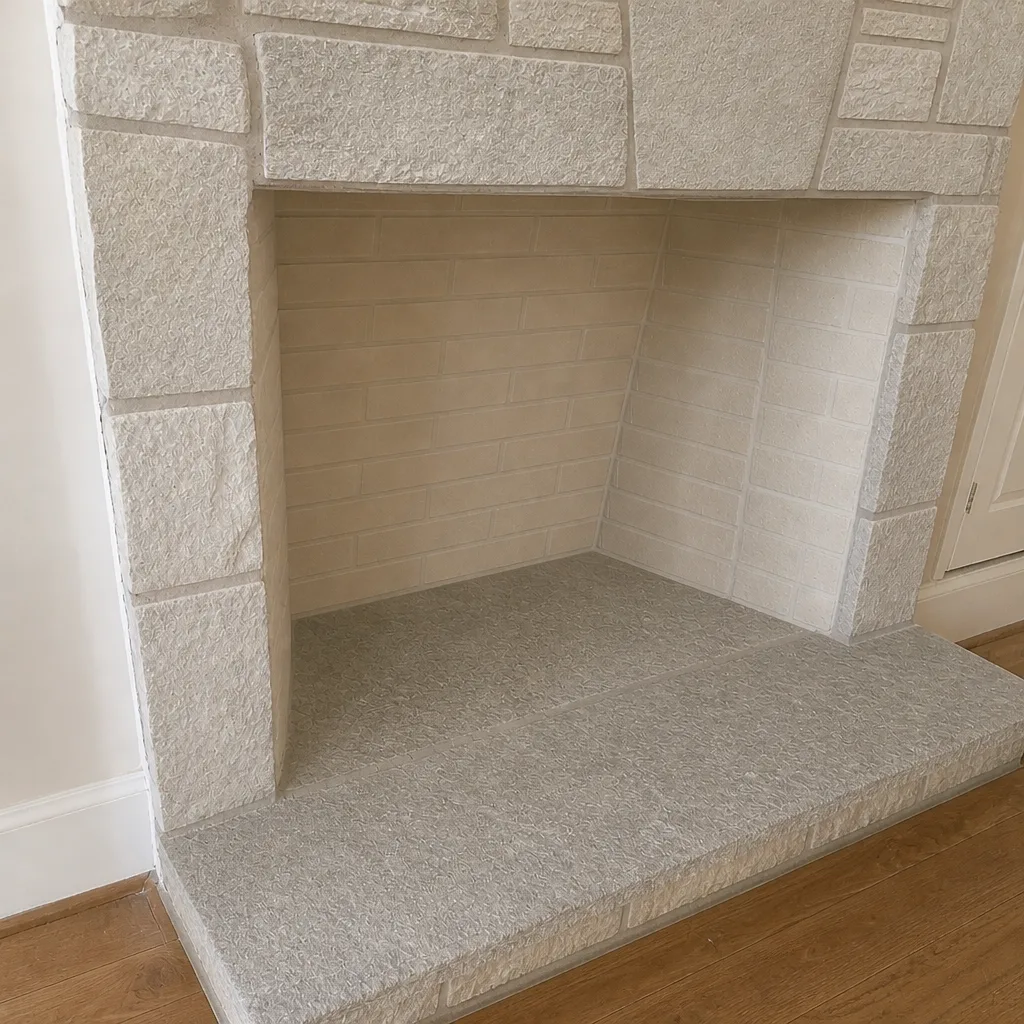 After
When to Call a Professional
Call a professional if any of the following apply: your chimney hasn’t been inspected in more than a year, your home is pre-1980 and you don’t have a recent inspection on record, you’ve noticed a strong creosote smell, the firebox shows deteriorated mortar, the damper doesn’t seal, the crown or cap looks worn from the ground, you’re buying or selling an Arlington home with a fireplace, or you’re simply not certain what shape your flue is in. Sentry Chimney Sweep offers free estimates in Arlington – call (833) 309-7302. We answer 24/7. Fast dispatch from 7am to 7pm, Sunday through Friday. Our technicians have up to 11 years of experience, and every visit includes a camera inspection and a written, photo-documented report so you can see what we see. Nothing is recommended without evidence you can look at yourself, and we’ll tell you plainly when a repair can safely wait.
Frequently Asked Questions
You can remove light, soft soot from a straight, previously inspected flue with consumer tools, but you can’t perform the interior camera inspection that determines whether the chimney is safe. If your chimney hasn’t been professionally inspected recently, the first step is a professional inspection, not a brush. Call (833) 309-7302 for a free estimate – we’ll tell you what your flue actually needs.
A standard chimney sweep in Arlington typically runs $180 to $340, and a sweep that includes a full camera inspection typically runs $250 to $450. Those are typical ranges, not quotes. The written estimate on your specific chimney sets the final price. Call (833) 309-7302 for an exact quote – estimates are free.
A sweep cleans; an inspection evaluates. Those are different jobs. The camera sees what a flashlight can’t: cracked flue tiles, failed mortar joints, glazed creosote behind an offset, and liner damage from the inside. Without that scan, you’ve cleaned a chimney you still don’t know the condition of. Call (833) 309-7302 to schedule a visit that includes the camera inspection and a photo report.
Creosote builds up in the flue, and at stage 3 it becomes a fire hazard because it’s the kind of deposit that ignites at high temperature. A skipped inspection also means a cracked flue tile or a failed joint can go unnoticed until it becomes a masonry repair. The risk isn’t hypothetical, but it’s also not instant. The chimney is safe to use right up to the point it isn’t, and a professional inspection is how you know which side of that line you’re on. Call (833) 309-7302 to get your chimney on record.
In a newer Arlington home with a modern liner and a straight flue, DIY soot removal is more reasonable than it is in an older masonry chimney, but you still can’t evaluate the flue without a camera. Treat DIY here as a between-inspection cleaning, not a substitute for the annual professional visit. Call (833) 309-7302 if you’d rather have it done and documented in one visit.
Note the last date of professional service, how much wood you’ve burned since, whether you’ve noticed any smell or smoke backup, and the age of the home. That information helps the technician understand the context of the chimney before they even arrive. When you’re ready, call (833) 309-7302. Estimates are free, and the report with photos comes back to you the same visit.
The Bottom Line
DIY chimney cleaning can remove loose soot, and that’s the limit of what it can do. The real value of a professional sweep is the inspection: a camera scan that reveals flue tile condition, hidden creosote, and the roof-side issues that determine whether your chimney is safe to use. In older Arlington homes, that inspection gap matters more than it does in newer builds, and the documentation from a professional visit is what protects you when an insurance carrier asks. If you want to do an interim DIY cleaning between professional visits, do it after an inspection, on a flue that’s been confirmed intact, with the right tools. And if you haven’t had an inspection in a year or more, the next call should be to a specialist. Arlington homeowners can schedule a sweep, inspection, or repair with Sentry Chimney Sweep – call (833) 309-7302. We answer 24/7. Fast dispatch from 7am to 7pm, Sunday through Friday.
Written by the team at Sentry Chimney Sweep.