
Last updated November 15, 2026
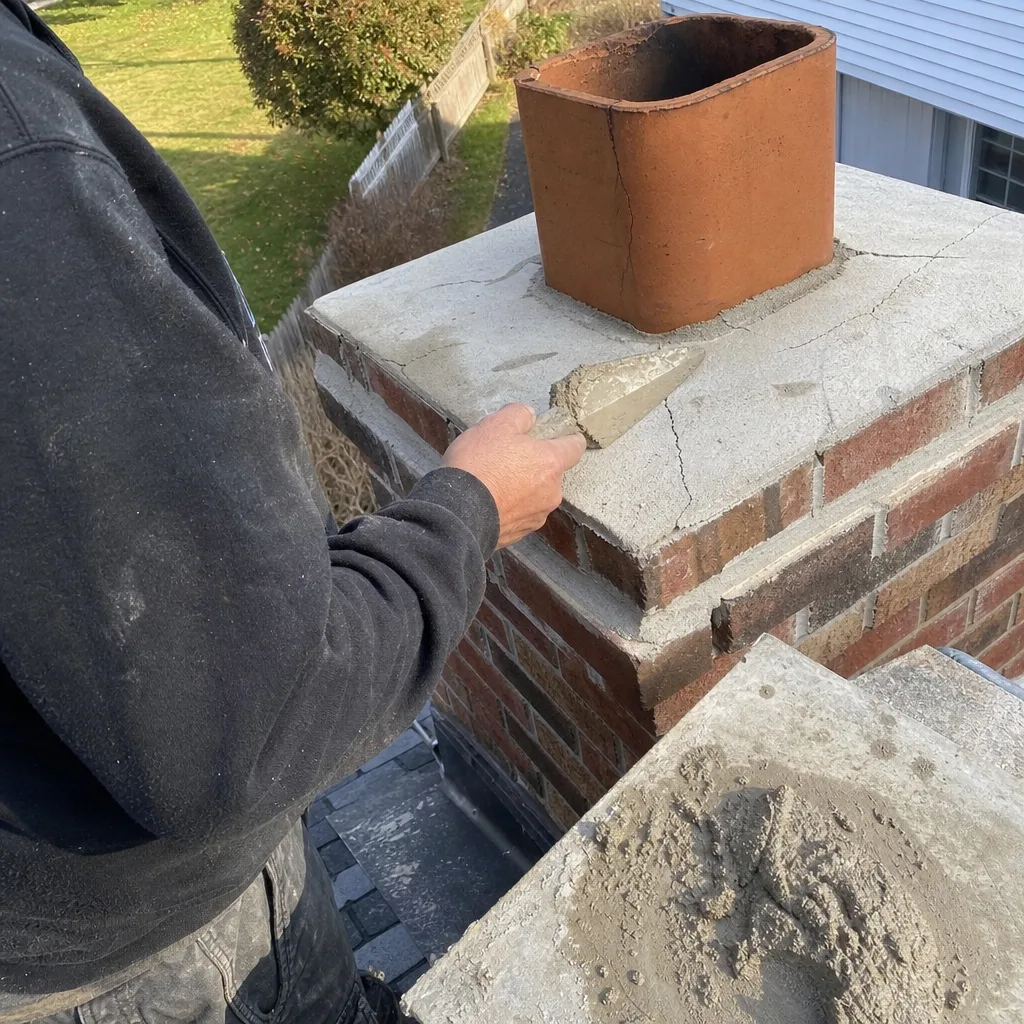
 Sweep & inspection
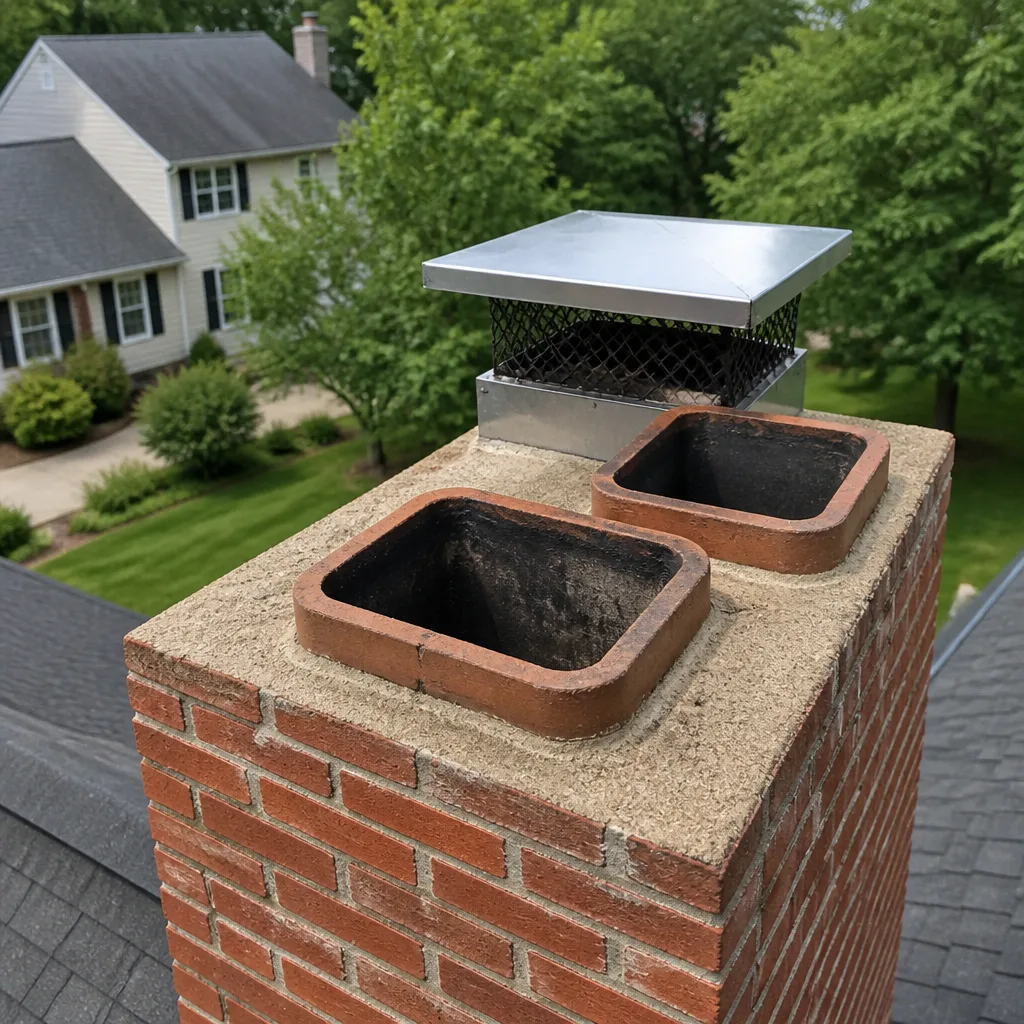
 Caps & crowns
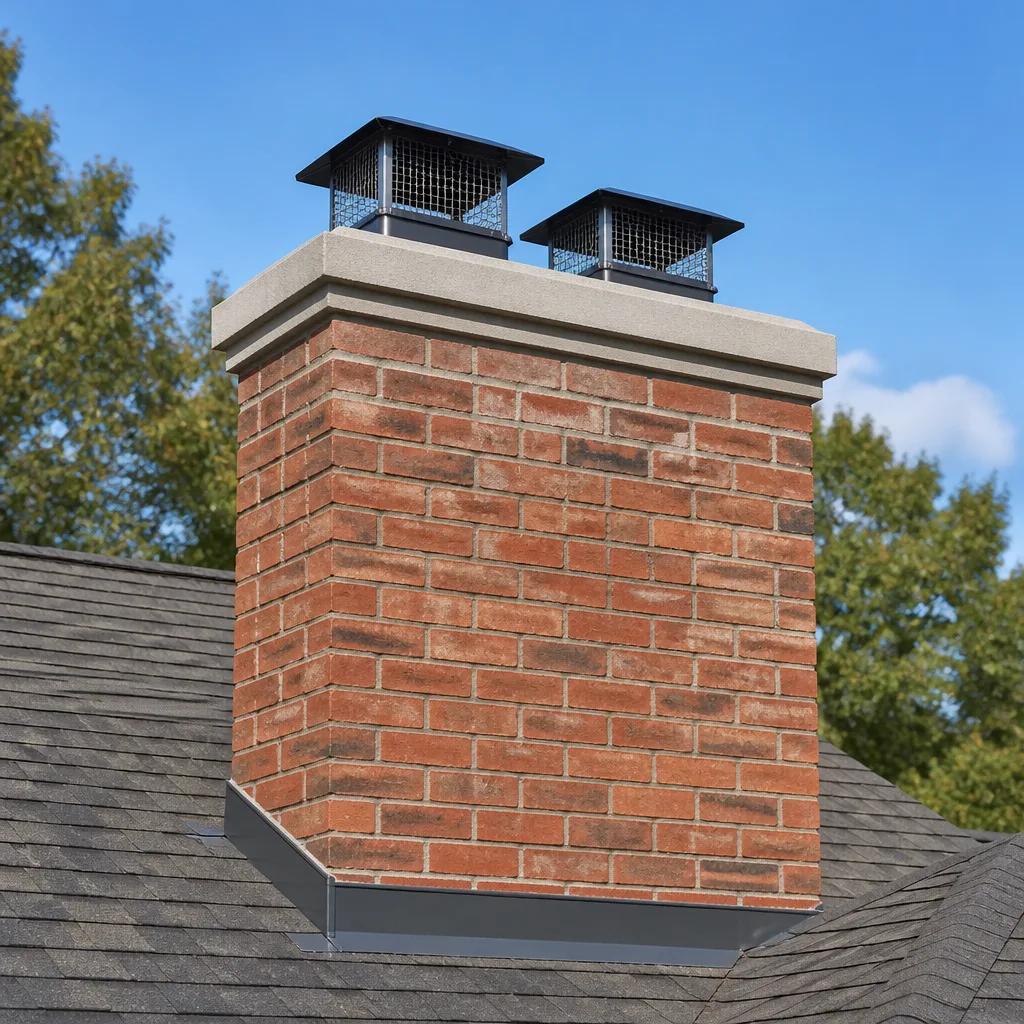
 Flue relining
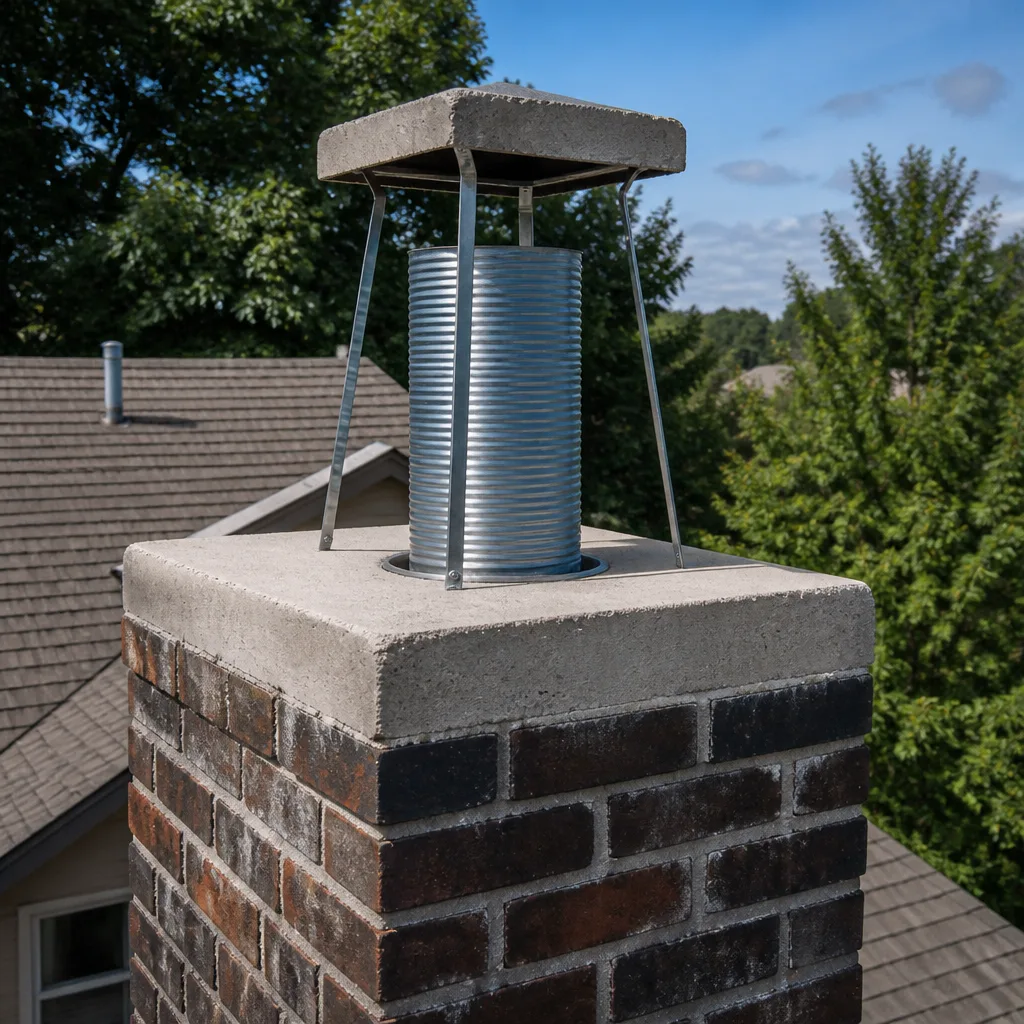
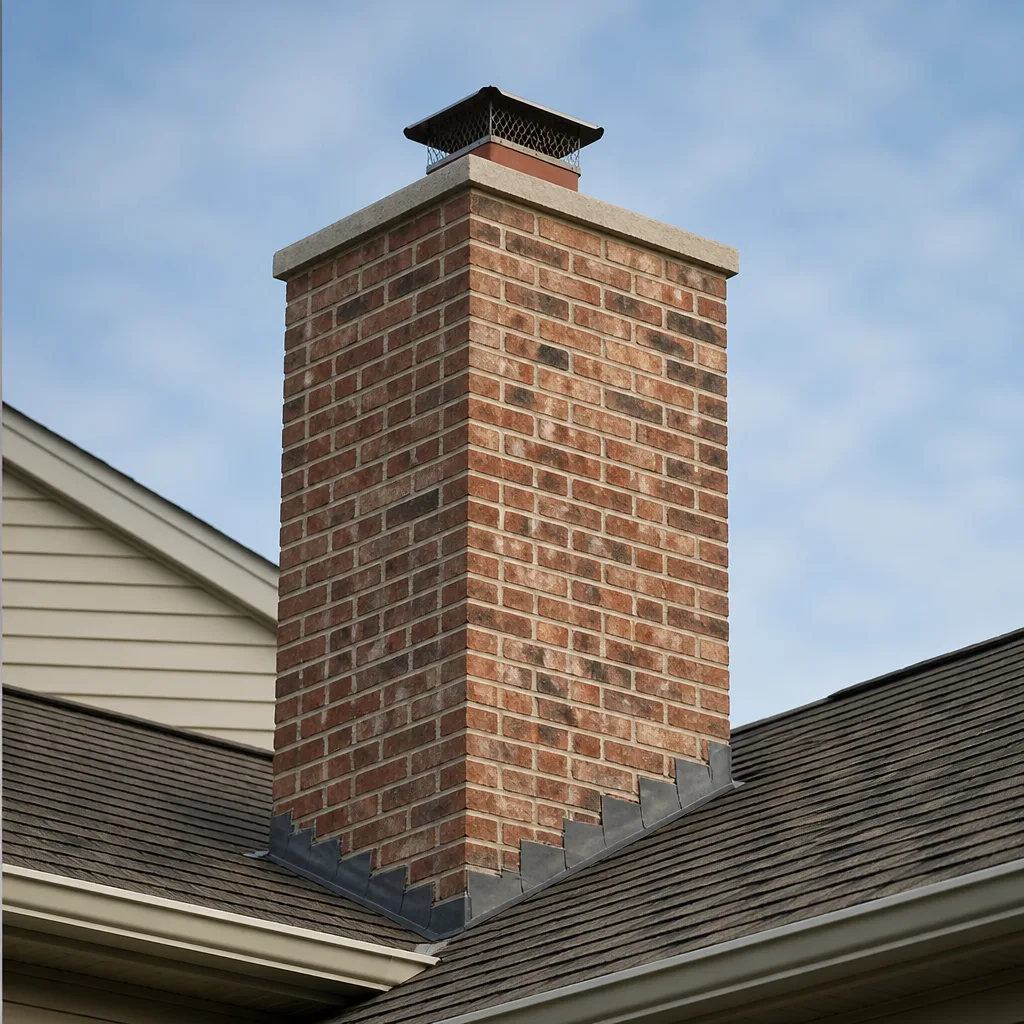 Masonry repair
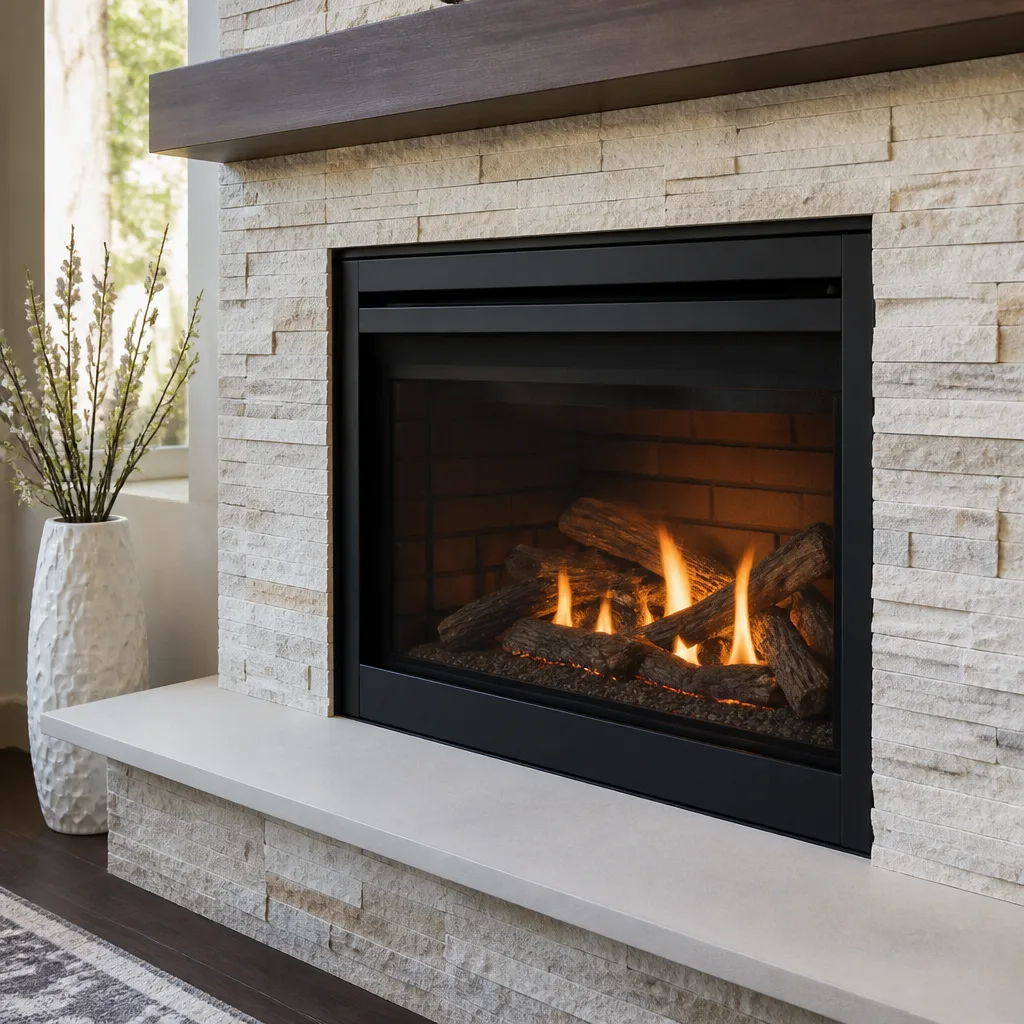 Gas fireplace service
Level 1 sweep and inspection to the NFPA 211 annual standard - flue, crown, cap, and flashing checked and photographed
Chimney sweep logs do not sweep chimneys. They loosen some creosote - which then falls where a brush and vacuum still have to collect it.
The Complete Guide to Chimney Cleaning in Arlington
Most chimney fires don’t start during the fire. They start hours later, when everyone has gone to bed and the flue is still hot. Creosote that built up over a season of fires sits against the flue wall, smolders, and ignites long after the flames in the firebox have died. From the living room, the chimney looked fine. From the roof, it was a different story. That gap between how a chimney looks and how it actually performs is what this guide is about, and it matters more in Arlington than in most places, because so much of this city’s housing went up during a mid-century building boom that’s now well past the age its flues were designed for. We’ll walk through how Arlington chimneys age, what creosote really does, how to tell a cleaned chimney from a safe one, and how to read the report a sweep hands you.
Quick Answer
Chimney cleaning in Arlington means removing accumulated creosote and soot from the flue, then inspecting the chimney to confirm it’s structurally sound and venting correctly. Most Arlington homes with a working fireplace should be swept once a year, and any chimney that hasn’t been inspected since it was built or since a change in how it’s used needs a Level II inspection before the next fire. Cleaning removes what’s there; the inspection is what tells you whether the chimney is actually safe.
Styles & brands we work with
- Sweep & inspection
- Caps & crowns
- Flue relining
- Masonry repair
- Gas fireplace service
Table of Contents
- Why Arlington’s Older Housing Stock Changes the Conversation
- The Three Stages of Creosote and What Accelerates Them
- What a Sweep Does vs. What a Level II Inspection Covers
- How to Read a Chimney Inspection Report Like a Professional
- Cleaned vs. Safe: Why the Gap Matters in Older Arlington Homes
- How a Chimney Cleaning Actually Works, Step by Step
- How Often Arlington Homeowners Should Schedule a Sweep
- When Cleaning Turns Into Repair Work
Why Arlington’s Older Housing Stock Changes the Conversation
The chimneys in Arlington weren’t all built the same way, and they haven’t aged the same way. A large share of the city’s homes went up during the post-war decades, when neighborhoods filled in quickly and masonry chimneys were lined with clay tile. That tile was designed to last, but it was designed for a particular kind of use: steady wood fires, reasonably dry wood, and regular maintenance. Many of those flues are now several decades old and have weathered the freeze-thaw cycles, minor settling, and the slow wear that any masonry system sees over that kind of time.
Clay tile has a specific weakness worth understanding. It cracks. A hairline crack in a flue tile isn’t visible from the firebox, and it isn’t visible from the roof without a camera. What it does is allow heat and combustion gases to escape into the surrounding masonry and structure. That’s the mechanism behind a lot of hidden chimney damage, and it’s the reason a visual check from the ground tells you almost nothing about a mid-century flue.
Arlington’s housing also sits close together. Neighbors share walls, rooflines run tight, and a chimney problem in one house can affect the structure beside it. That’s not a reason to panic. It’s a reason to be thorough. When we look at a chimney in Arlington, we’re looking at it as a specific building with a specific history, not as a generic chimney on a generic house. The neighborhoods vary, from the older colonials near the courthouse corridor to the mid-century ranches farther out, and each one tends to have its own pattern of flue construction and wear.
What this means practically: advice written for a new-construction chimney doesn’t transfer cleanly to an Arlington flue that’s been through fifty winters. The right schedule, the right inspection level, and the right repair approach all depend on what’s actually in the chase. Arlington chimneys deserve to be treated as the particular structures they are.
The Three Stages of Creosote and What Accelerates Them
Creosote is the residue left behind when wood smoke cools on its way up the flue. It doesn’t form in one uniform layer. It forms in stages, and the stage determines how hard it is to remove and how dangerous it is to leave in place. Understanding the three stages helps you understand why a sweep sometimes finishes in an hour and sometimes takes most of a day.
Stage I: Soot and Light Flake
Stage I creosote is the dusty, flaky, soot-like coating that builds up first. It’s the easiest to remove with standard brushing, and it’s what most people picture when they think of chimney cleaning. A chimney with only Stage I buildup is due for a sweep but isn’t in immediate danger.
Stage II: Hard, Crusty Deposits
Stage II is where things get more serious. The deposits become hard and crusty, sometimes glossy, and they bond to the flue surface. Standard brushing alone won’t take them off. Removing Stage II creosote takes specialized tools and technique, and the deposits burn hotter than Stage I if they ignite. A lot of Arlington chimneys that see intermittent use sit in Stage II without the homeowner knowing it.
Stage III: Glazed, Fuel-Rich Creosote
Stage III is a glazed, hardened layer that looks almost like a shell inside the flue. It’s the most combustible stage and the hardest to remove. It often requires chemical treatment before mechanical removal, and in some cases the flue lining itself has to be evaluated for replacement rather than cleaned. Stage III is the stage nobody wants to find. It’s also the stage that builds quietly in chimneys used in certain ways.
Which Arlington Burning Habits Accelerate Which Stage
What you burn and how you burn it drives which stage you land in. Two habits common in Arlington homes push buildup faster than people expect:
- Gas-log inserts vented through an existing wood flue. Gas logs produce moisture and different combustion byproducts than wood. They can leave a flue damper in a partly open position that lets warm air escape and cold air in, and the flue they vent through was designed for a completely different fire. These setups need the same inspection attention as wood-burning chimneys, and often more.
- Occasional wood fires. A fire here and there, a few times a season, is actually hard on a flue. Short, cool, smoldering fires produce more creosote than hot, well-established ones, because the smoke has more time to condense on its way out. A chimney used lightly can build creosote faster than one used heavily with good technique.
Damp or unseasoned wood makes both problems worse. Cool flue temperatures make both worse. If you’re burning the occasional fire and wondering why the chimney needs attention, this is likely why.
What a Sweep Does vs. What a Level II Inspection Covers
A sweep and an inspection are not the same service, and conflating them is one of the most common sources of confusion we run into in Arlington. A sweep removes creosote and soot. An inspection assesses the chimney’s condition. You can have a perfectly clean chimney that’s unsafe to use, and you can have a dirty chimney that’s structurally sound. The two services answer different questions.
What a Standard Chimney Sweep Covers
- Brushing and vacuuming the flue to remove soot and creosote
- Cleaning the firebox and smoke chamber
- Removing debris, animal nests, and blockages
- A basic visual check of accessible components
A standard sweep is the maintenance visit. It keeps the flue clear so the fire vents correctly and creosote doesn’t accumulate to a dangerous level.
What a Level II Inspection Adds
A Level II inspection goes further. It includes a camera examination of the flue interior, a check of the chimney’s accessible parts from the firebox to the top, and an assessment of the flue lining, joints, and connections. This is the inspection that catches cracked tiles, gaps at joints, and hidden structural problems that a sweep would brush right past. For a more detailed walkthrough of what a proper chimney sweep includes, our service page covers the full scope.
Arlington homeowners typically need a Level II inspection when any of the following is true:
- The chimney has never been inspected, or it’s been years since the last one.
- The home changed hands and you don’t have a documented inspection history.
- You’ve switched fuel type, added a gas-log insert, or changed the appliance connected to the flue.
- You’ve had a chimney fire, even a small one you suspect happened.
- You’re noticing draft problems, smoke backup, or unusual smells.
- You’re planning any repair or relining work.
A sweep tells you the chimney is clean. An inspection tells you it’s safe. In older Arlington homes, that distinction is not academic.
How to Read a Chimney Inspection Report Like a Professional
The report a sweep hands you is a document you should be able to understand and challenge. If you can’t tell what was found and why it matters, you can’t make a good decision about repair, and you can’t tell whether a recommendation is being made for your safety or someone else’s bottom line. Here’s how to read one the way a professional does.
- Read the findings before the recommendations. The findings should describe what was observed: the condition of the flue lining, the presence of creosote and at what stage, the state of the crown and cap, and any gaps or cracks. The recommendations should follow from those findings. If a recommendation appears without a corresponding finding, ask what it’s based on.
- Look for photographs and camera evidence. A professional inspection documents what it finds. A cracked flue tile, a deteriorated crown, a gap at a joint, creosote staging: all of these should be visible in the report. If you’re told you need liner work, you should be able to see the reason.
- Distinguish “now” from “later.” Some findings are urgent: a cracked flue with a wood-burning appliance, a blockage, Stage III creosote. Others are maintenance items that can be scheduled without stopping you from using the fireplace. A clear report separates the two. If everything is presented as urgent, ask which findings can safely wait.
- Match the terminology to the service. “Sweeping,” “resurfacing,” and “relining” are different jobs. A sweep cleans. Resurfacing restores the interior surface, which is what HeatShield does. Relining installs a new liner, which is DuraFlex territory. The report should name the specific work, not a vague “repair.”
- Ask what the recommendation protects. Any recommendation should trace back to a safety or structural outcome. If you don’t understand why a piece of work is being recommended, ask directly, and expect a specific answer.
Nobody should be asked to approve thousands of dollars of liner or masonry work they can’t verify. The standard we hold ourselves to is simple: nothing gets recommended that the homeowner can’t see the evidence for. And when work can safely wait, we say so.
Cleaned vs. Safe: Why the Gap Matters in Older Arlington Homes
A cleaned chimney is one where the creosote and soot have been removed. A safe chimney is one that will vent combustion products properly and contain them without leaking into the structure. Those two things usually overlap. In older Arlington homes, they don’t always, and that gap is where real problems hide.
Consider a mid-century masonry chimney with a clay tile flue. The sweep brushes the flue clean, removes a season’s worth of Stage II creosote, and vacuums the firebox. The chimney is now clean. But if a flue tile cracked two winters ago, or a joint separated as the masonry settled, the flue is still leaking. Clean smoke going through a cracked flue is still a problem: it can reach the framing, the insulation, or the attic space. That’s a carbon monoxide concern as much as a fire concern.
The same applies to the chimney’s exterior components. A crown that has cracked and pulled away lets water into the masonry. Water freezes and expands. Masonry spalls and joints deteriorate. None of that shows up in a cleaning; all of it shows up in an inspection. The repair side of the service is where safety gets restored, and it’s the reason we treat chimney repair as part of the same conversation as cleaning rather than a separate one.
In our experience, the homeowners who get the most out of a chimney visit are the ones who understand the difference before the technician arrives. They ask for the inspection, they read the report, and they know which findings are urgent and which can wait. That’s a posture of vigilance, and it’s the right one for any older home in Arlington.
How a Chimney Cleaning Actually Works, Step by Step
A chimney cleaning in Arlington follows a predictable sequence. Knowing what to expect makes it easier to ask good questions and easier to judge whether the work is being done thoroughly. Here’s the process, in order.
- Set up protection. Drop cloths go down around the hearth, and a high-powered vacuum runs throughout the job to keep soot out of the room.
- Access the flue. The technician works from the firebox with rods and brushes sized to the flue. The goal is to reach the full interior surface, not just the visible part.
- Brush the flue. Brushing removes Stage I and, with the right tools, Stage II deposits. Stage III requires treatment before mechanical removal and may change the scope of the visit.
- Clear the firebox and smoke chamber. Soot and debris collect here and get vacuumed out. Blockages from animal nests or leaves get removed.
- Check the accessible components. The damper, the firebox, the visible portions of the flue, and the chimney top are assessed for obvious issues.
- Run the camera if an inspection was requested. A Level II inspection adds a video scan of the flue interior to catch what the brush doesn’t touch.
- Clean up and document. The area is left as it was found, and any findings are recorded for the report.
The whole visit usually takes an hour or two for a straightforward sweep. An inspection adds time. Stage III creosote or a lot of debris can extend it further. A thorough job is worth the patience it takes, and speed is not the thing to optimize for.
How Often Arlington Homeowners Should Schedule a Sweep
Once a year is the standard answer for a chimney in regular use, and it holds for most Arlington homes with a working fireplace. But the schedule depends on how the chimney is used, and it’s worth checking your situation against these patterns.
- Regular wood fires: annual sweep and inspection.
- Occasional fires, a few times a season: annual inspection still makes sense, because the buildup can be deceptive, and a quick visual check from the firebox won’t catch a cracked tile.
- Gas-log inserts: annual inspection, because the flue is venting something it wasn’t designed for and the components are aging.
- A chimney that hasn’t been used in years: inspection before the first fire, because neglect allows debris, moisture, and animal activity to accumulate.
- After a suspected chimney fire: inspection before the next fire, no exceptions.
Timing matters too. In Arlington, the sensible window to book is before the burning season starts, so any repair work can be completed before the first fire. A sweep is booked and scheduled; it’s not an emergency call. Getting on the calendar early is the simplest way to avoid a scramble when the weather turns cold.
When Cleaning Turns Into Repair Work
Sometimes a sweep or inspection turns up something that needs more than cleaning. This is where the conversation shifts from maintenance to repair, and it’s where the quality of materials matters most. We work with professional-grade brands because a repair in an older Arlington flue has to last as long as the flue has left to give.
- Resurfacing with HeatShield. When the flue liner is intact but the surface has deteriorated, resurfacing restores it. It’s a repair of the existing lining rather than a replacement, and it extends the chimney’s service life when the underlying structure supports it.
- Relining with DuraFlex. When the clay tile has cracked or separated to the point that it can’t be repaired in place, a new stainless liner is the answer. DuraFlex systems are specified for this work because they’re built for the conditions a chimney actually sees.
- Crown and mortar work. The exterior of the chimney takes water damage, and the crown is the first line of defense. Cracked crowns get rebuilt. Deteriorated joints get repointed.
The decision between resurfacing and relining comes down to what the inspection finds. A flue with localized surface wear can often be resurfaced. A flue with structural cracking or gaps needs a liner. Anyone who recommends relining without camera evidence of the problem is asking you to trust a guess. We’d rather show you the reason. The teams we connect you with use Gelco, Olympia Chimney, and other recognized brands for the same reason: the right materials do the job once.
Common Mistakes to Avoid
- Assuming a cleaned chimney is a safe chimney. A sweep removes creosote; it doesn’t find cracked tiles. In an older Arlington flue, skipping the inspection is the mistake that matters most.
- Burning unseasoned wood because it’s what’s available. Damp wood burns cool and leaves more creosote. If you’re buying firewood in Arlington, ask how long it’s been seasoned and let it dry before it goes in the firebox.
- Treating a gas-log insert as maintenance-free. A gas insert venting through an old wood flue still needs an annual look. The flue wasn’t built for it, and the components age.
- Approving liner work without seeing the reason. If you’re told you need a new liner, ask for the camera footage or photos. You should be able to see what’s being described.
- Waiting until the first cold week to book a sweep. The scheduling window tightens once the season starts. Booking early gives you room to complete any repair before the next fire.
- Ignoring draft problems or smoke backup. Smoke that won’t go up, or air that comes down the flue, can point to a blockage or a structural issue. It’s worth a closer look.
- Forgetting the exterior. The crown and cap protect the whole chimney. A cracked crown that goes unaddressed allows water in, and the damage travels.
See the difference
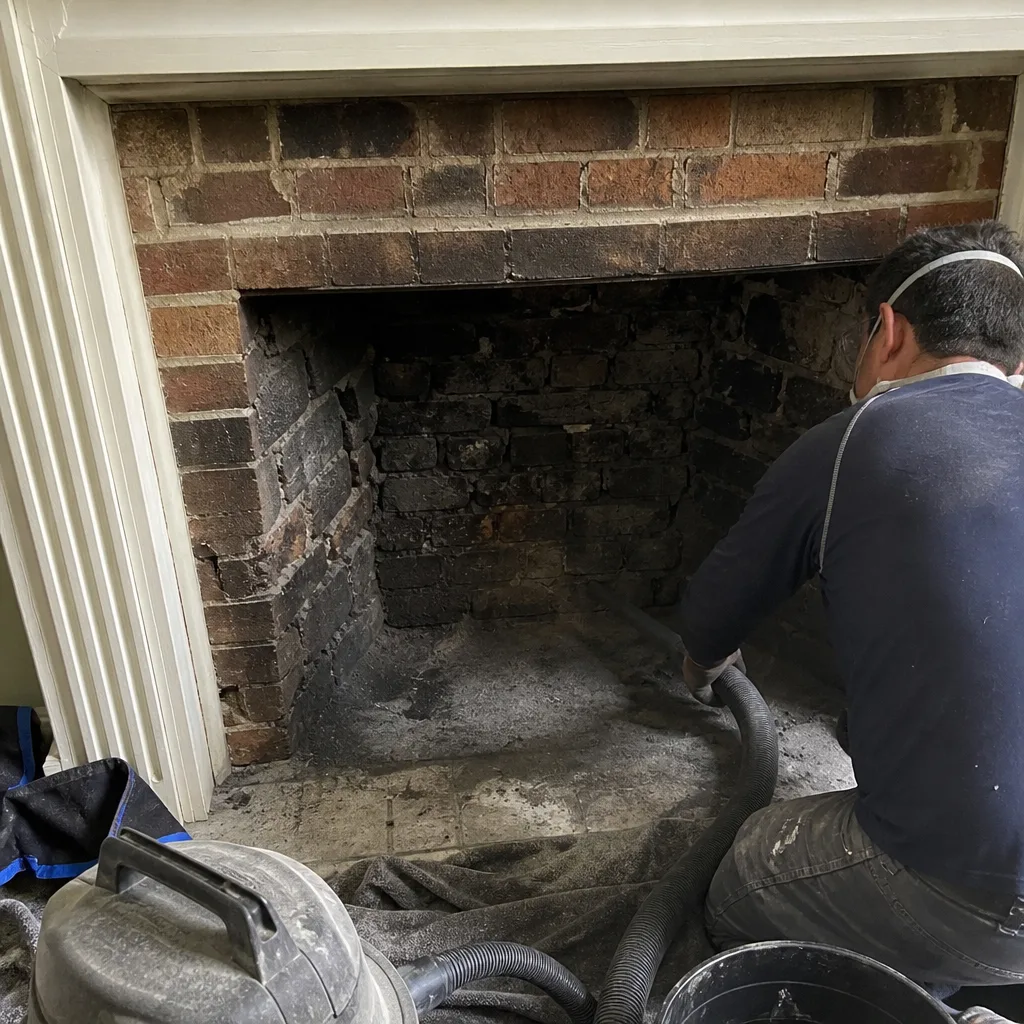 Before
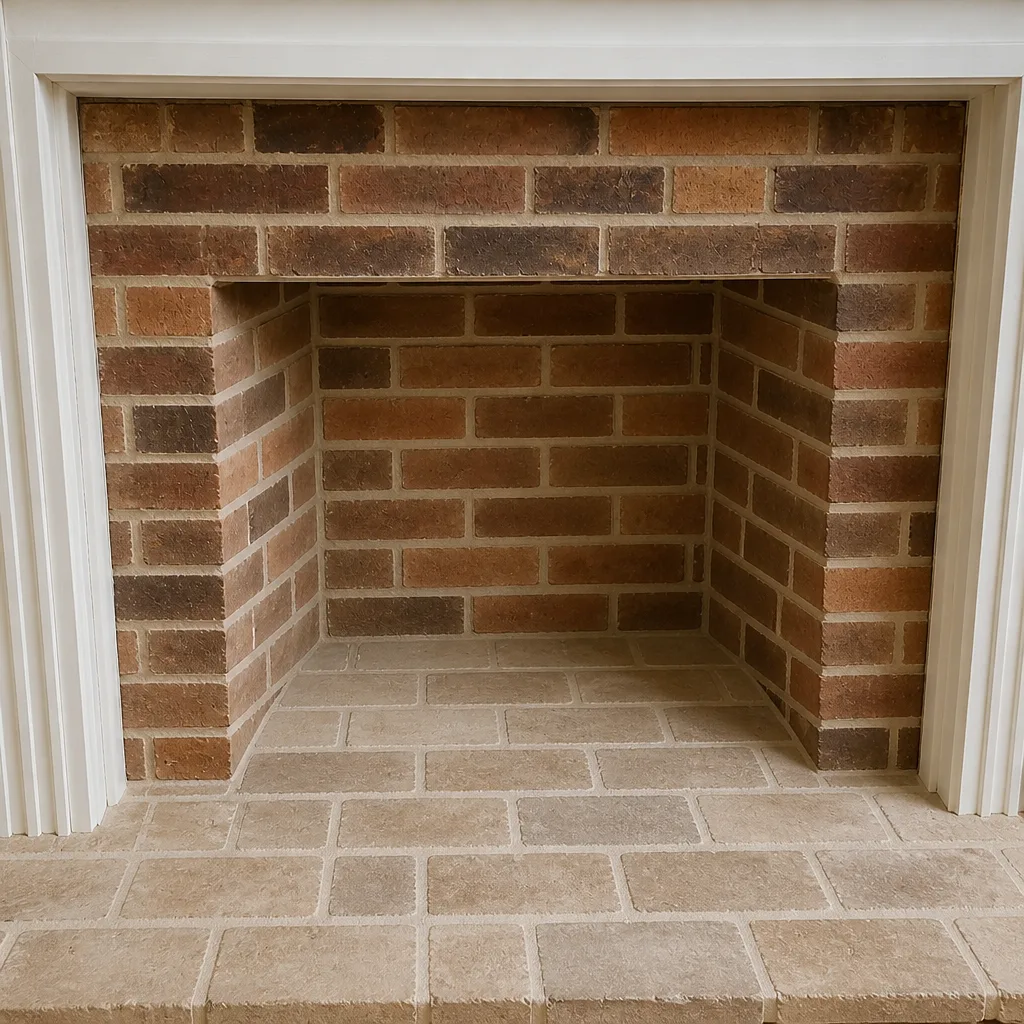 After
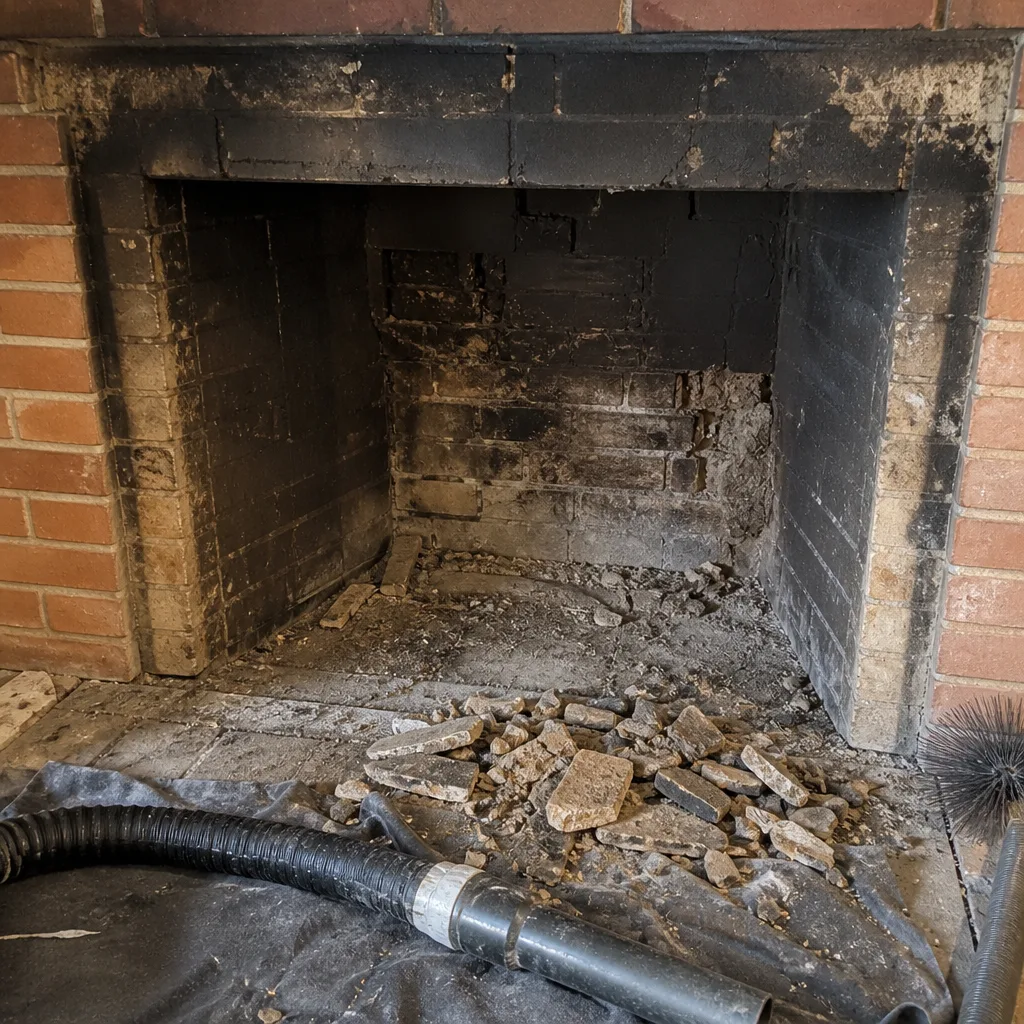 Before
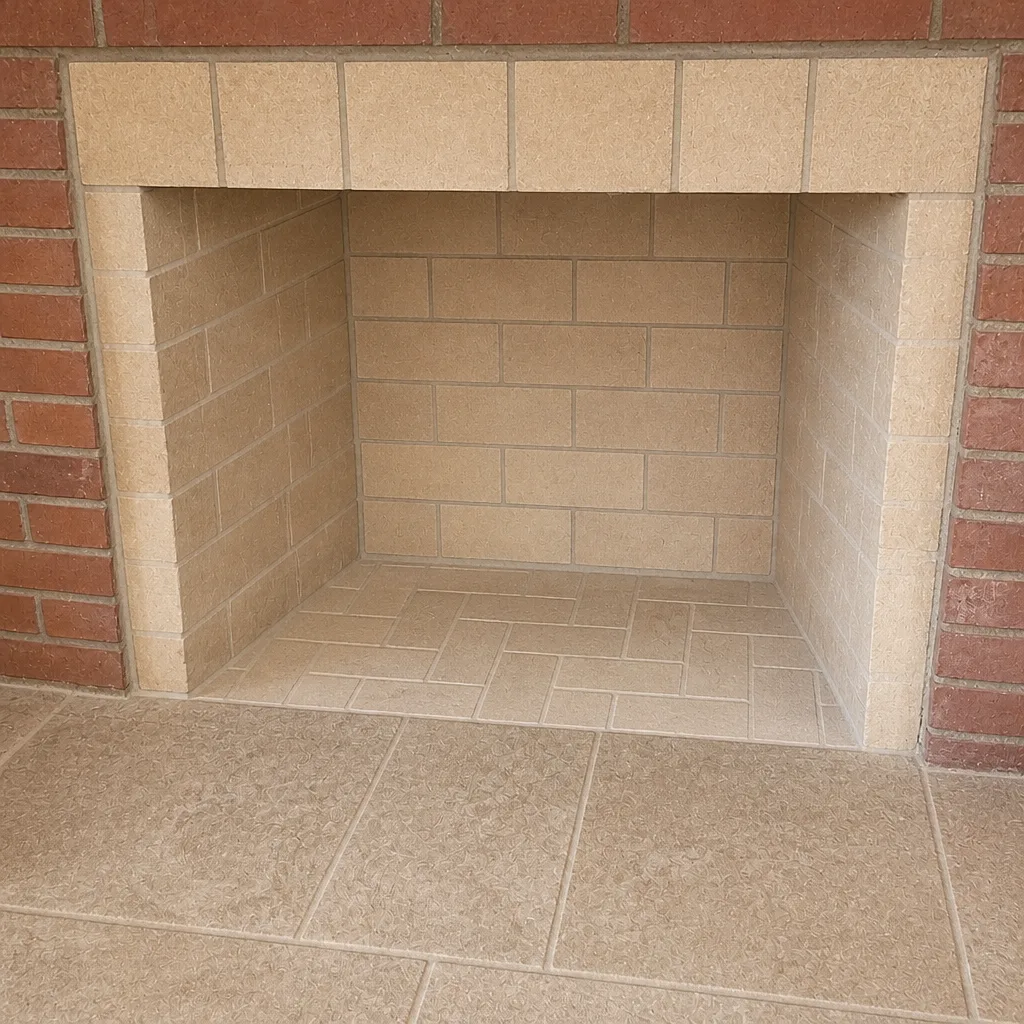 After
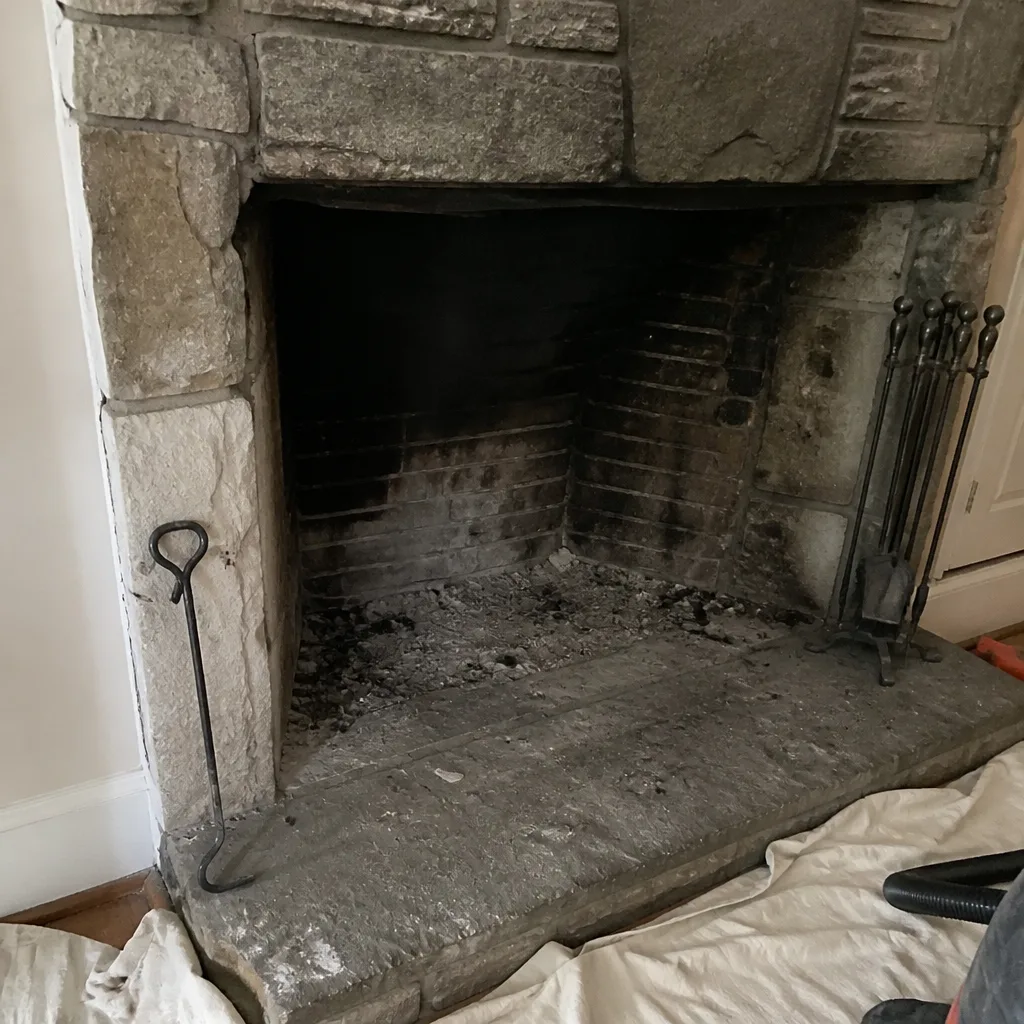 Before
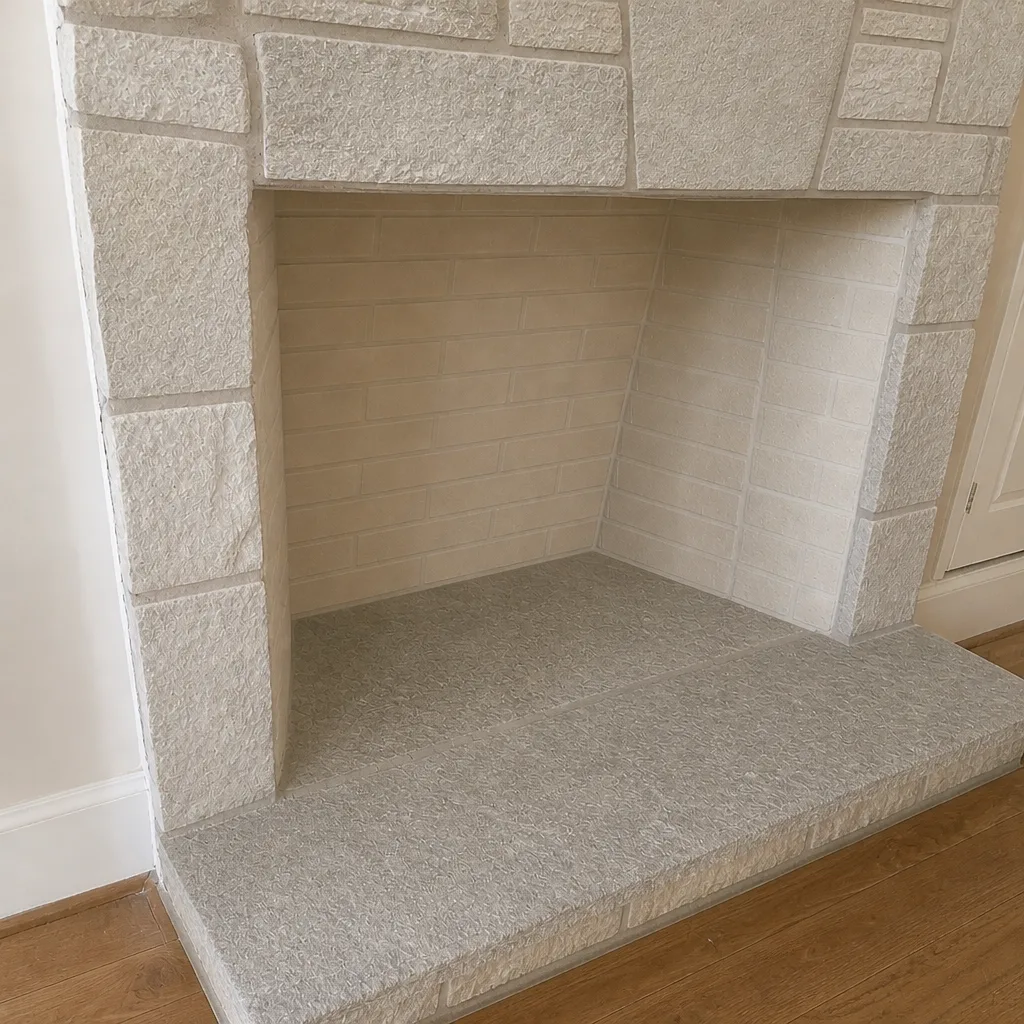 After
When to Call a Professional
Some chimney work is a judgment call. This isn’t. If you’re in an Arlington home with a wood-burning fireplace and the chimney hasn’t been inspected in years, treat that as a call to make. If you’ve had a chimney fire, even a small one, call before the next fire. If you’ve added a gas-log insert, changed the appliance on the flue, or noticed smoke backing up or a draft that doesn’t behave, call. If you’re buying a home in Arlington and there’s no documented inspection history, call before you close. And if the chimney has never been inspected since the house was built, call. A small masonry chimney fire or a carbon monoxide issue is not something to discover late. Sentry Chimney Sweep offers free estimates in Arlington, including a camera inspection and a report you can read for yourself. Call (833) 309-7302.
Frequently Asked Questions
Chimney cleaning in Arlington is priced per job, and the written estimate sets the final price. Call (833) 309-7302 for an exact quote. Estimates are free.
Only if the inspection shows the existing liner has cracked, separated, or deteriorated past repair. A flue with surface wear can often be resurfaced with HeatShield instead. You shouldn’t take that recommendation on faith: ask for the camera footage or photos showing the problem, and if a repair can safely wait, we’ll tell you so. Call (833) 309-7302 to talk through what an inspection found.
Once a year for a chimney in regular wood-burning use, and an annual inspection even if you only light a few fires a season. A chimney that hasn’t been used in years should be inspected before its first fire. Call (833) 309-7302 to get on the schedule before the burning season starts.
Creosote keeps building, and it moves from light flake toward hard, glazed deposits. The real risk isn’t visible from the firebox: it’s a flue that has lost its protective lining, or creosote that ignites long after the fire has died. Either way, the first sign can arrive too late. Call (833) 309-7302 for an inspection before that point.
A sweep removes soot and creosote. A Level II inspection uses a camera to examine the flue interior and assesses the chimney’s structural condition. You can have a clean chimney that’s unsafe. Arlington homeowners should schedule a Level II inspection when the chimney hasn’t been inspected in years, when the fuel or appliance has changed, or after any suspected chimney fire. Call (833) 309-7302 to book both together.
Yes. A gas-log insert venting through an existing wood flue still needs an annual inspection, because the flue was designed for a different appliance and its components age. The inspection catches venting problems a visual check would miss. Call (833) 309-7302 to schedule one.
The Bottom Line
The complete picture of chimney cleaning in Arlington comes down to a few things. Cleaning and safety are not the same service, and in older Arlington housing the difference decides whether a flue is really ready for a fire. Creosote builds in stages, and the way you burn wood or vent a gas-log insert determines which stage you reach. A Level II inspection with camera evidence is what turns a guess into a decision, and a report you can read and question is the one worth having. Schedule before the season, treat the exterior of the chimney as part of the system, and never approve major repair work you can’t see the evidence for. That’s what vigilance looks like in practice. A free estimate from Sentry Chimney Sweep is the simplest place to start.
If you’re ready to put your Arlington chimney in professional hands, call Sentry Chimney Sweep at (833) 309-7302 for a free estimate. We answer 24/7. Fast dispatch from 7am to 7pm, Sunday through Friday. Our technicians have up to 11 years of experience, and we work with professional-grade materials from DuraFlex, HeatShield, Gelco, and Olympia Chimney on every repair. Sweep, inspect, repair: one call. Stand guard over your home’s fire safety with Sentry Chimney Sweep.
Written by the team at Sentry Chimney Sweep.